




DHL Begins Class 8 Electric Truck Operations in North America
DHL said it will begin operating Class 8 electric delivery trucks in several states and that early results show reductions in energy costs and improved driver satisfaction.

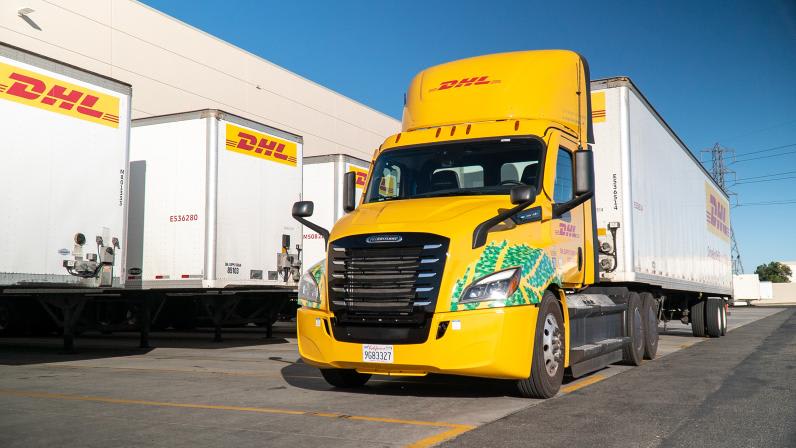
DHL currently has two trucks in operation in California and will soon take delivery of an additional 11 units for use in other states.
Photo: DHL
DHL Supply Chain is deploying its first Class 8 electric trucks in North America, calling it a significant milestone in its commitment to clean and efficient trucking operations.
DHL currently has two trucks in operation in California and in the coming weeks will take delivery of 11 more, to be deployed across Ohio, North Carolina, Pennsylvania, and California.
DHL: BEV Trucks Offer Operational Advantages
DHL said its electric trucks offer advantages including the following:
Zero tailpipe emissions: Electric vehicles are considered zero-emission technology, which means they do not produce any tailpipe carbon dioxide or nitrogen oxide emissions. Each EV that replaces a diesel truck saves, on average, 100 tons of CO2 annually.
Energy conservation: A six-month DHL Supply Chain pilot of a Class 8 EV truck revealed that the truck consumed on average 50% less energy for the same job compared to its diesel counterpart.
Extended range: The EV trucks get up to 250 miles on a single charge, covering the needs of many regional haul routes.
Right-sized charging: Equipped with fast-charging technology and remote monitoring capabilities, the EV trucks enable turnaround times that are aligned with DHL's operational requirements.
Powerful performance: The EV trucks deliver superior horsepower and torque compared to their diesel counterparts, according to DHL
Improved driver satisfaction: During the pilot, drivers shared a preference for the BEV truck over diesel due to its ‘quietness’ and low to no vibrations, leading to less fatigue.
"Our commitment to sustainability extends beyond reducing our environmental impact," said Jim Monkmeyer, president of transportation, DHL Supply Chain.
"We see electric trucks as a strategic investment that offers numerous advantages for our company and the communities we serve. From improved efficiency and a better driving experience, to reduced air and noise pollution, electric trucks are the future of transportation."
Fueling Green Innovation
DHL said it has been an early adopter of EV technology, having deployed more than 30,000 light- to-heavy duty EVs worldwide.
By being an early adopter, the company said, DHL Supply Chain has been able to pilot and learn how best to implement green technologies to enhance productivity and improve operational efficiencies.
In 2023 it added 30 new electric yard trucks, totaling 60 vehicles currently in operation in North America. The company has also continued phasing out propane-powered material handling equipment such as forklifts, replacing them with electric ones.
“We’re building a comprehensive ecosystem around green technologies to support seamless operation, including right-sized charging infrastructure at our facilities and a dedicated team of experts driving continuous improvement," Monkmeyer said.
"This is not just a truck. It's a system, a symbol of our commitment to creating a cleaner, more efficient, and more sustainable transportation landscape."
DHL's Global Sustainability
The addition of electric trucks to its North America fleet follows the announcement of DHL Supply Chain’s global Green Transport Policy aimed at reducing carbon emissions in line with DHL Group’s Sustainability Roadmap. As an initial move, DHL Supply Chain will transition around 2,000 vehicles globally from conventional combustion engines to greener alternatives, including hydrotreated vegetable oil, biogas, electric, or hydrogen.
Over the next three years, DHL Supply Chain's commitment to an additional investment of 200 million euros in fossil fuel alternatives promises to reduce nearly 300,000 tons of CO2 emissions. These savings are equivalent to offsetting the CO2 emissions produced by 2,200 trucks, each driving a daily distance of 500 kilometers over one year.
The new policy is starting with investments in 17 countries with the highest emissions footprint.
More Fuel Smarts

How GP Transco Builds Fuel Savings a Fraction at a Time
Aerodynamic specs, solar panels, and driver incentives help GP Transco turn small efficiency gains into savings it can reinvest in its people.
Read More →
Trucking’s Diesel Squeeze Isn’t Letting Up
With diesel topping $6 a gallon nationally, ATA's Bob Costello explains why fleets should prepare for continued pressure at the pump.
Read More →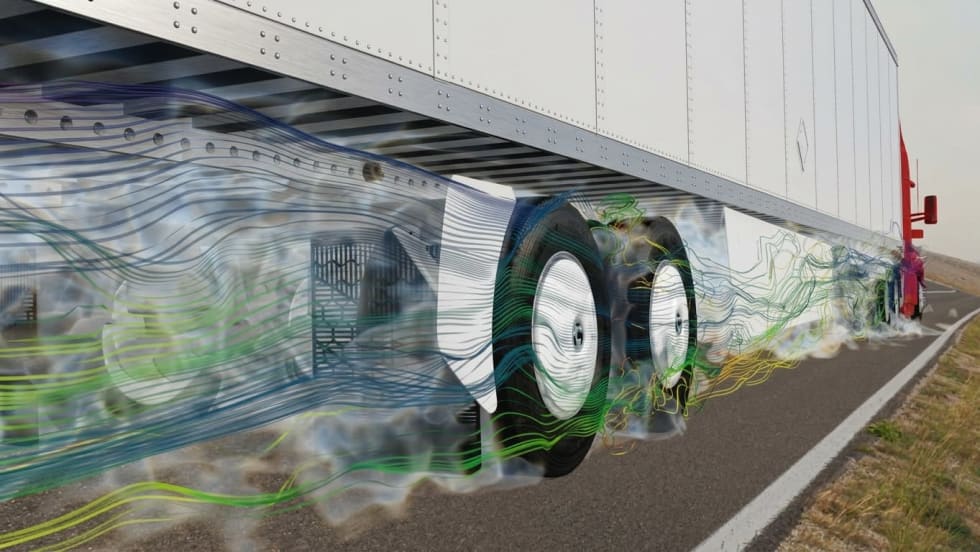
FlowBelow Redesigns Trailer AeroSlider to Cut Fuel Use
The lighter trailer aerodynamic system installs in less than 45 minutes, according to the company, with potential payback in under a year depending on fuel prices and trailer mileage.
Read More →
Why Diesel Price Relief Efforts May Fall Short
Diesel prices have eased from September’s record high, but doubts about additional Russian supply and limits on dyed-diesel tax relief mean trucking fleets still face expensive fuel. And prices could go higher.
Read More →
Why Small Fuel Savings Matter in Trucking
Can better fuel economy help pay for driver raises? In this podcast, GP Transco explains how small efficiency gains create room to reinvest in its people.
Read More →
How GP Transco Cuts Trucking Fuel Costs, a Tenth of a Gallon at a Time
What’s another tenth of a mile per gallon worth? GP Transco shares how equipment upgrades and driver coaching turn small gains into meaningful fuel savings.
Read More →
Electric Yard Tractors Move Beyond Pilots
Operating-cost savings have overtaken sustainability goals as the leading reason surveyed fleets are adopting battery-electric terminal tractors, according to new NACFE research.
Read More →
Geotab Links Fleet Card to Vehicle Data
The new card combines fuel discounts with telematics-based purchase controls. Geotab’s analysis also points to potential savings from choosing lower-priced fuel stops.
Read More →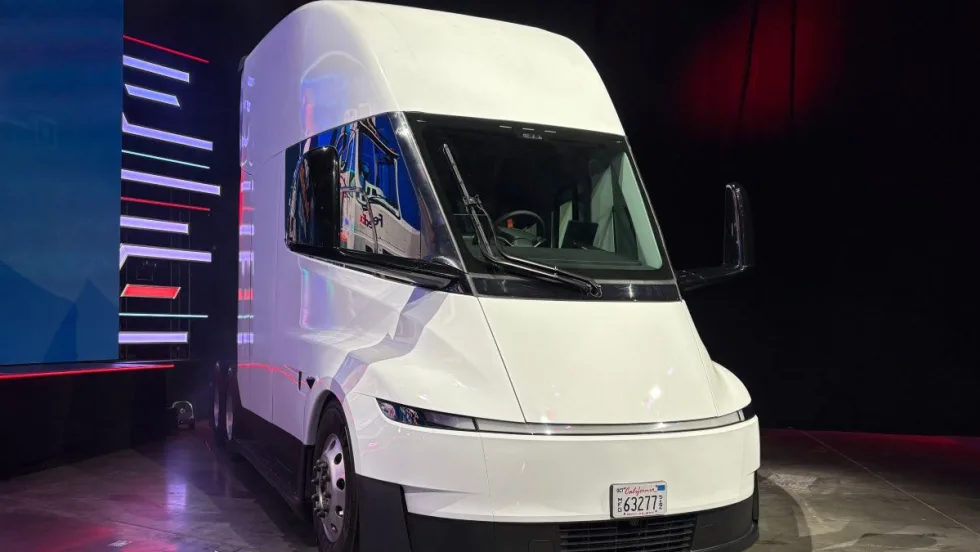
Fleet Economics Shape Electric Truck Outlook
ACT Research expects costs, charging infrastructure, and technology improvements to drive zero-emission commercial vehicle adoption as federal regulations and incentives retreat.
Read More →
Wex Adds Cardless Fuel Payments for Over-the-Road Customers
A new fuel card feature for Wex customers offers convenience and security.
Read More →