





Answers to 5 Frequently Asked Questions About Truck Driver Medical Exams
Liability Nightmare: Your DOT Medical Exam Forms Probably Have Errors
A questionable medical certification decision made from bad information on a truck driver's exam form doesn't relieve motor carriers from potential liability for a crash.
February 6, 2025
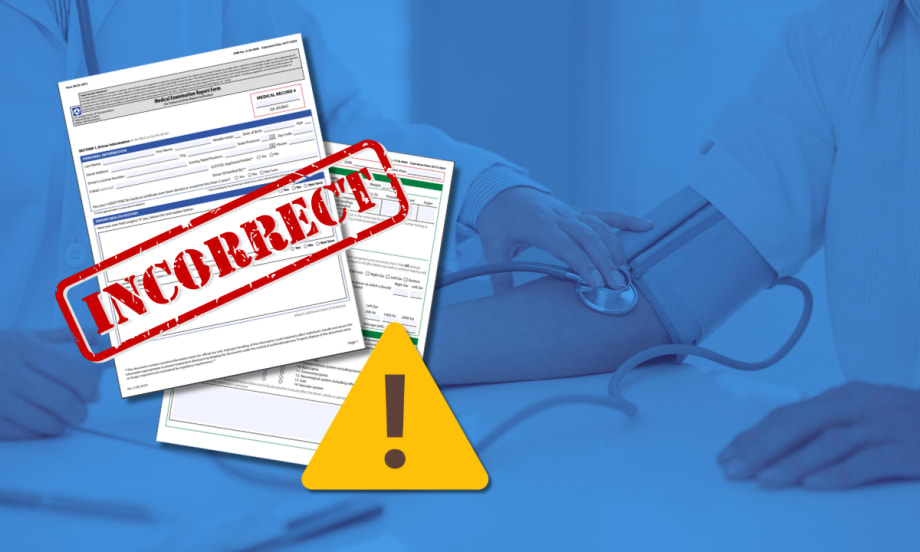
If a truck driver is in a crash and a lawyer determines his or her medical form is inaccurate, your company could be liable.
Image: HDT Graphic
3 min to read
Almost 56% of commercial driver medical exams showed medical history errors by either drivers or certified medical examiners, according to a recent study by the American Journal of Industrial Medicine.
This statistic should raise concerns for motor carriers — especially since any questionable certification decision made from bad information doesn't relieve them from potential liability for a crash.
What Did The Study Reveal About DOT Driver Medical Forms?
The December 2024study (Retrospective Quality Review of Department of Transportation Commercial Drivers Medical Examination Forms) was the first to examine the health history of DOT medical examination report forms, or long forms.
Its review of 1,603 examination forms from exams conducted by 367 certified medical examiners in 2019 also found that:
Certified medical examiners completed the MER incompletely or incorrectly in 30% of examinations.
Drivers inconsistently filled out their health history with elaborations 39% of the time.
Drivers failed to elaborate when a driver indicated “yes” on the health history, indicating that they have or had the condition, in 29% of examinations.
Both drivers and certified medical examiners made errors in the same exam in 13% of cases.
Other types of errors were found, as well.
Why Accurate Driver Medical Exam Forms Are So Important
Inaccurate or inadequate medical exam documentation may understate the risk of a medical condition or treatment. This could negatively affect:
The quality of care and monitoring for current conditions.
Future medical certifications for the affected driver.
Subsequent litigation.
Accurate exam forms are also essential given these points:
The average age of drivers in the trucking industry hovers around 50 years old and chronic medical conditions can worsen with age.
The 2024 update of the Medical Advisory Board’s CME Handbook stressed that nearly all certification decisions are based on the driver’s circumstances and CME discretion.
FMCSA can review exam results and disqualify drivers who should not have been certified.
Recent Federal Motor Carrier Safety Administration data showed that 40% of medical certifications are issued for one year or less to monitor serious conditions that can lead to a crash, such as cardiovascular disease, high blood pressure, diabetes, and obstructive sleep apnea.
How Can Motor Carriers Reduce the Risk of Inaccurate Driver Medical Exams?
Motor carriers are accountable for crashes caused by a medical condition, so it’s important to reduce the risk posed by inaccurate medical exams.
Here are three ways carriers can lower the risk of errors and omissions made during exams:
Require drivers to use a preferred CME organization for exams instead of accepting a driver’s current medical certification at hire.
Consider paying for or subsidizing the cost of new hire and recertification exams at a preferred provider.
Review long forms for irregularities only after obtaining driver consent and following applicable medical privacy laws.

About the Author: Lucero Truszkowski joined safety and compliance consulting firm J.J. Keller & Associates as an associate editor in 2022. Her expertise includes process documentation, plain-English writing, and translating complex concepts for customers across a spectrum of subjects, including transportation, human resources, and driver training.This article was authored and edited according to Heavy Duty Trucking’s editorial standards and style to provide useful information to our readers. Opinions expressed may not reflect those of HDT.
Subscribe to Our Newsletter
More Safety & Compliance

$604 Million Verdict Tests Broker Liability After Supreme Court Ruling
C.H. Robinson plans to appeal after a Texas jury found it bore the largest share of responsibility for a fatal 2021 crash, in a case that follows the Supreme Court's Montgomery decision allowing negligent hiring claims against freight brokers.
Read More →
How Fraley & Schilling Improved Logbook Compliance by Over 50%
Fraley & Schilling needed a way to close a compliance workflow gap in its ELD system without adding more work from driver training, reminders, and back-office follow-ups. It found the answer in a custom driver app.
Read More →
Farewell, CDL: Why I'm Giving Up My Commercial Driver's License
After more than 20 years as a CDL holder, HDT Executive Editor Jack Roberts is letting his commercial license expire. Not because he wants to — but because trucking's nuclear verdict crisis has made the risks of public-road test drives too great for editors, manufacturers, and everyone involved.
Read More →
Sponsored•July 1, 2026
Enhance Fleet Performance with High-Efficiency Auxiliary Power Units
Drive sustainable cost savings while increasing driver comfort during short- and long-haul logistics operations.
Read More →
Wabash Trailers Recalled for Improperly Installed Underride Guards
More than 900 Wabash dry van trailers may not comply with the Federal Motor Vehicle Safety Standard for rear impact guards.
Read More →
Why K&B Trucking Is Embracing AI and Driver Safety Technology
Crunching data and embracing artificial intelligence are key in K&B Trucking's safety efforts, says the company's safety director.
Read More →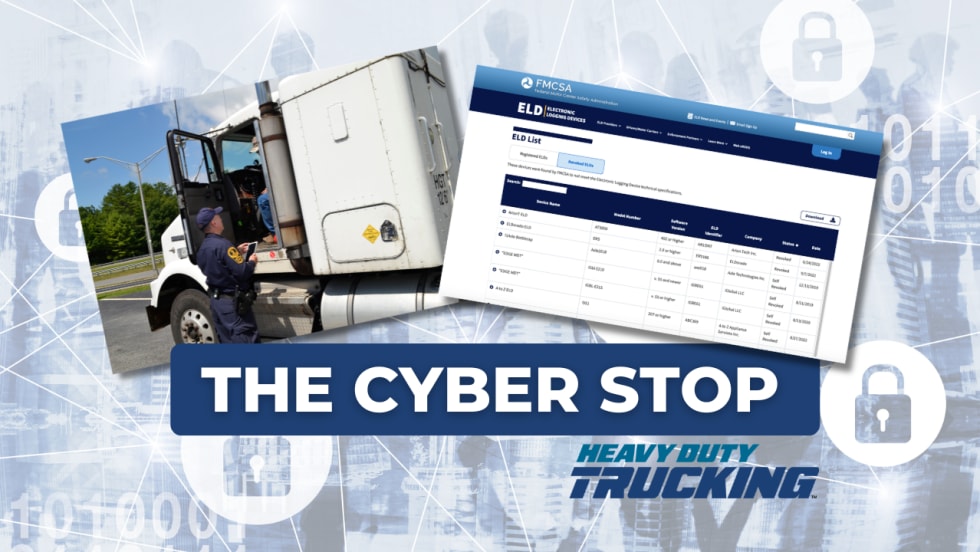
The Hidden Problem Behind FMCSA's ELD Revocations
NMFTA researchers say dozens of registered ELDs may be built on the same software platforms, allowing compliance and security concerns to persist even after individual devices are removed from the market.
Read More →
ATRI Wants Motor Carriers for Driver-Facing Camera Study
In this new study, the American Transportation Research Institute will explore how driver-facing cameras can impact safety and operational metrics in trucking fleets.
Read More →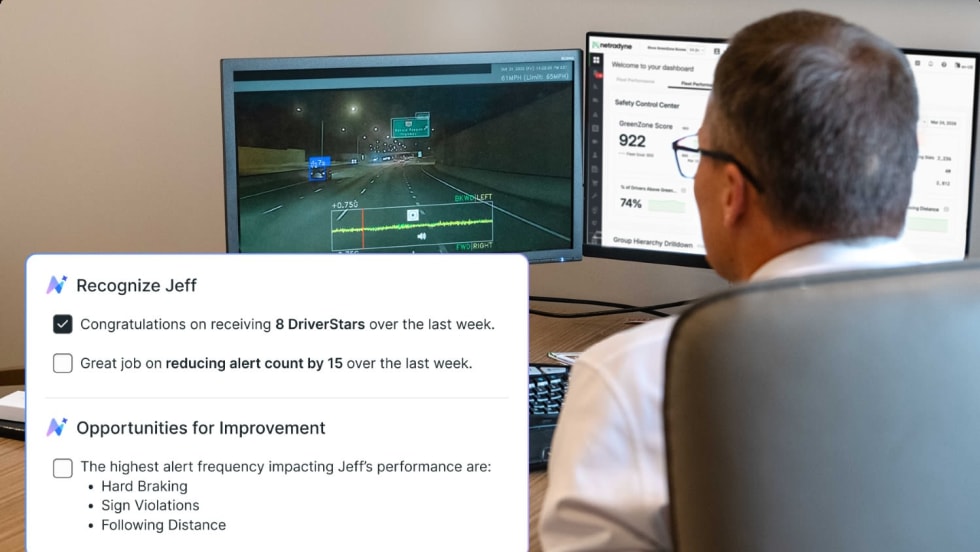
Netradyne Intelligence Uses New AI Agents to Automate Response to In-Cab Camera Data
The company called the next-generation in-cab camera safety platform "a fundamental shift from systems that report on what happened to systems that actively drive what should happen next."
Read More →Mack, Volvo Issue ‘Do Not Drive’ Recall on Possible Wheel-Offs
Owners will be sent advance notice not to operate their affected vehicles until the remedy is performed.
Read More →