




Multi Service Fuel Card Adds Security Feature
A one-time PIN designed to prevent fuel card fraud is the latest feature for the Multi Service Fuel Card app.

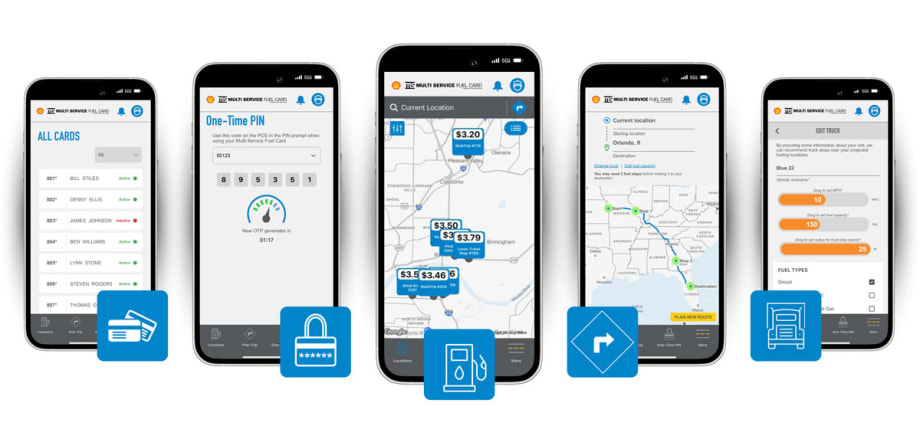
The new one-time PIN feature is available now in the Multi Service Fuel Card mobile app on iOS and Android.
Photo: Multi Service Fuel Card
Multi Service Fuel Card has added a One-Time PIN (OTP) security feature integrated into its mobile app to guard against fuel card fraud.
The FBI estimates that card-skimming costs financial institutions and consumers more than $1 billion each year. According to FICO, the number of cards compromised due to skimming jumped 77% in 2023 compared to 2022.
OTP sends cardholders a unique time-sensitive PIN through the Multi Service Fuel Card mobile app to authorize transactions at the pump.
Unlike traditional static PINs, One-Time PINs are generated on the fly and expire quickly, making it virtually impossible for criminals to reuse intercepted data.
How Multi Service One-Time PIN Works
The OTP feature requires an iOS or Android device to operate but is not reliant on Wi-Fi access.
“We’ve run a pilot to ensure OTP delivery and point of sale authorization are reliable, fast and effective across the entire merchant network,” explained Ron Gunderson, Senior Director of Product and Technology.
“This update reflects our commitment to protect our cardholders from ever-evolving threats by delivering secure solutions without compromising ease of use.”
The new OTP feature is available now in the Multi Service Fuel Card mobile app on iOS and Android. The feature will be enabled by default for all new Multi Service Fuel Card accountholders. Existing customers can enable it via their account settings.
How Fleet Owners Can Leverage Fuel Card Info
Along with the OTP roll-out, the latest version of the Multi Service Fuel Card mobile app includes access to recent transactions and AR info for fleet owners leveraging the fuel card.
Users of the app who are not cardholders can still leverage the application to identify truck stops along their route with visibility to retail fuel prices and available amenities at each stop.
The latest version includes biometric security on Apple and Android devices for easy login.
Multi Service Fuel Card was founded in 1978 by a former over-the-road truck driver who believed there had to be a better way to pay for fuel than a pocket full of cash. Accepted at over 8,900 truck stops of all sizes across the U.S. and Canada, since 2021, Multi Service Fuel Card has been a wholly owned portfolio company of Shell USA.
More Fuel Smarts

Trucking’s Diesel Squeeze Isn’t Letting Up
With diesel topping $6 a gallon nationally, ATA's Bob Costello explains why fleets should prepare for continued pressure at the pump.
Read More →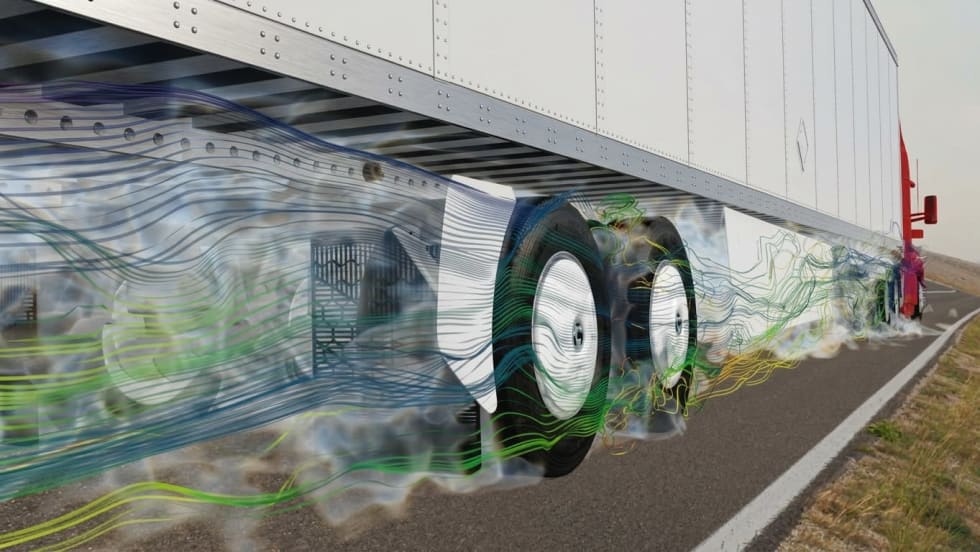
FlowBelow Redesigns Trailer AeroSlider to Cut Fuel Use
The lighter trailer aerodynamic system installs in less than 45 minutes, according to the company, with potential payback in under a year depending on fuel prices and trailer mileage.
Read More →
Why Diesel Price Relief Efforts May Fall Short
Diesel prices have eased from September’s record high, but doubts about additional Russian supply and limits on dyed-diesel tax relief mean trucking fleets still face expensive fuel. And prices could go higher.
Read More →
Why Small Fuel Savings Matter in Trucking
Can better fuel economy help pay for driver raises? In this podcast, GP Transco explains how small efficiency gains create room to reinvest in its people.
Read More →
How GP Transco Cuts Trucking Fuel Costs, a Tenth of a Gallon at a Time
What’s another tenth of a mile per gallon worth? GP Transco shares how equipment upgrades and driver coaching turn small gains into meaningful fuel savings.
Read More →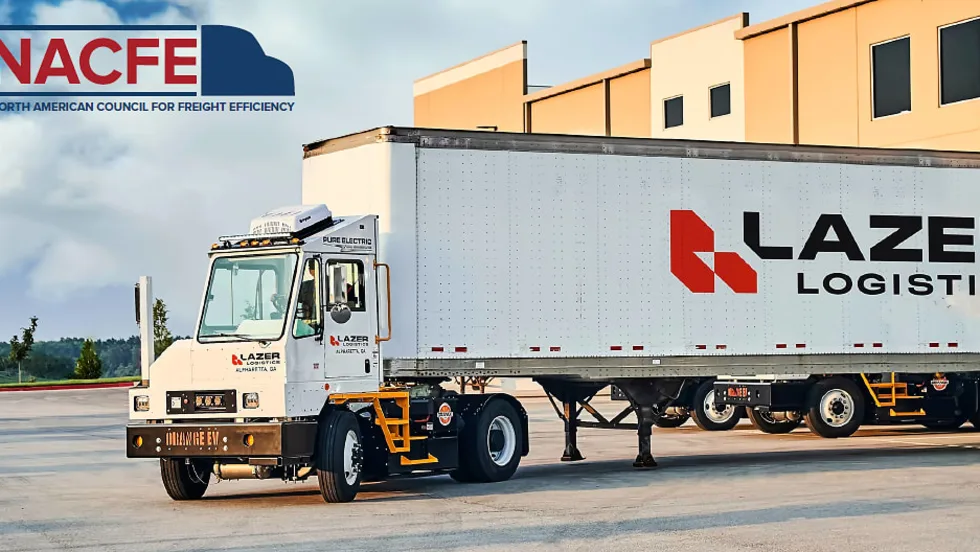
Electric Yard Tractors Move Beyond Pilots
Operating-cost savings have overtaken sustainability goals as the leading reason surveyed fleets are adopting battery-electric terminal tractors, according to new NACFE research.
Read More →
Geotab Links Fleet Card to Vehicle Data
The new card combines fuel discounts with telematics-based purchase controls. Geotab’s analysis also points to potential savings from choosing lower-priced fuel stops.
Read More →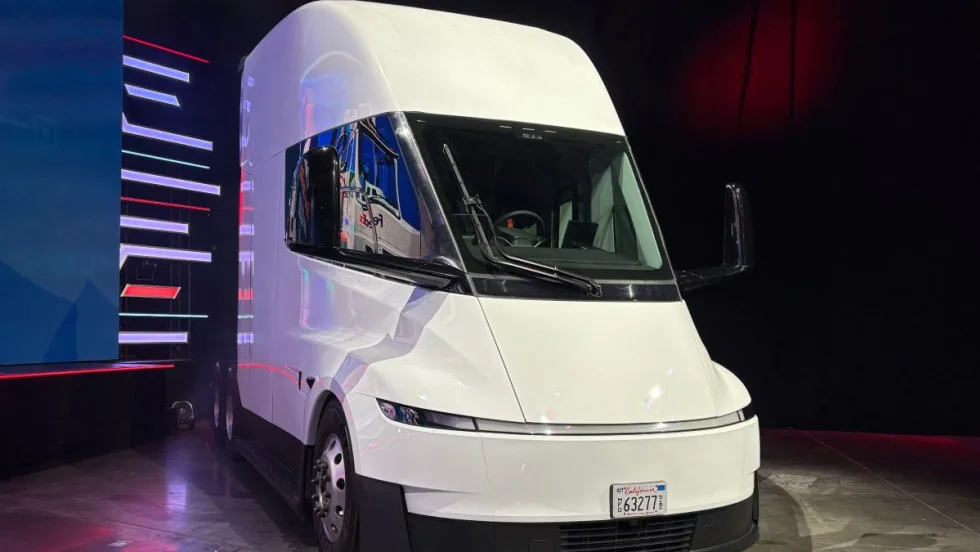
Fleet Economics Shape Electric Truck Outlook
ACT Research expects costs, charging infrastructure, and technology improvements to drive zero-emission commercial vehicle adoption as federal regulations and incentives retreat.
Read More →
Wex Adds Cardless Fuel Payments for Over-the-Road Customers
A new fuel card feature for Wex customers offers convenience and security.
Read More →
New California Law Could Shed Light on Electric Truck Prices
Why do battery-electric Class 8 trucks remain so expensive? A California bill signed by Gov. Gavin Newsom would give fleets and state agencies more visibility into what manufacturers charge.
Read More →