




How Mack & Kriete Helped Put Wisconsin’s First Class 8 BEV Refuse Trucks into Action
When the City of Madison rolled out Wisconsin’s first Class 8 battery-electric refuse trucks, it was the culmination of planning and teamwork between city leaders, Mack Trucks, and Kriete Truck Centers. What did it take to put the two Mack LR Electric refuse trucks on the road?

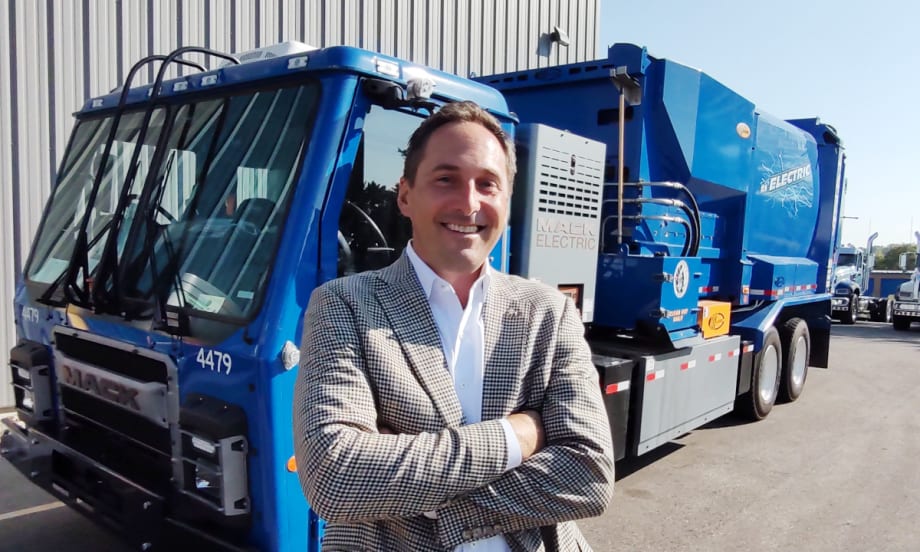
David Kriete, president and CEO of Kriete Truck Centers, shares what the Madison, Wisconsin, location had to do to prepare for electric trucks.
Photo: Wayne Parham
The City of Madison, working with Mack Trucks and Kriete Truck Centers, is the first to deploy fully electric Class 8 refuse trucks in the state of Wisconsin. The trucks started hitting the streets in mid-July, but more recently, Mack and Kriete officially handed them off to the city.
“We are excited that the City of Madison chose Mack to fulfill its refuse collection needs while also helping them move the needle toward their sustainability goals,” said Jonathan Randall, president of Mack Trucks North America.
Madison, which has the largest municipal battery-electric vehicle fleet in the state, is charging ahead toward achieving the goals of its Climate Forward Agenda. Already, the city fleet boasts more than 100 fully electric vehicles, including 62 electric buses that enter service this month, and 150 hybrids.
“Electrifying heavy-duty vehicles is on the forefront of zero-emissions technology," said Madison Mayor Satya Rhodes-Conway.
"Madison will help demonstrate the performance of these new electric garbage trucks in real-world conditions and help quantify the long-term savings associated with eliminating fossil fuel costs and reducing maintenance expenses."
Madison’s Mack LR Electric refuse trucks differ a little. One is equipped with a Leach rear loader and the other with a Labrie automated side loader (ASL). Both will be serviced at the Kriete Truck Center’s Madison location, which had to prepare in advance and become certified to handle Mack battery-electric vehicles.
The Road to Class 8 Electrification in Madison
Kriete Truck Centers began working about two years in advance, knowing that the City of Madison would eventually be running collection routes with the battery-electric Mack refuse trucks.
“We had talked to the city, and we knew this was coming, so we jumped on it,” said David Kriete, president and CEO of Kriete Truck Centers, which now has 10 sales and service locations.
Technicians at the Madison dealership had to be trained, and Kriete had to create dedicated EV service bays, and parts. service, and sales teams had to be certified, and charging stations were needed.
The addition of the charging stations also meant working on getting the needed utility infrastructure upgrade, which is now a 480 3-phase service. Although the city will typically charge the trucks at one of its facilities, Kriete still needed charging capabilities for when they come in for service.
Once the infrastructure upgrade order was placed, it only took about six months to complete and install chargers. Kriete Truck Centers is now going through similar processes to electrify four of its other locations around the state.
“Our biggest lesson was realizing which markets do we want to invest in now, knowing that the first electric opportunity may not be 12, 18, 24, months down the road,” the Kriete president said.
More Details on Madison's Mack LR Electric Refuse Trucks
The Mack LR Electric is powered by four NMC (nickel manganese cobalt oxide) lithium-ion batteries, charged through a 150 kW, SAE J1772-compliant charging system. That battery configuration powers the vehicle and all onboard accessories through 12V, 24V, and 600V circuits.
The trucks also benefit from a two-stage regenerative braking system that recaptures energy from the hundreds of stops they make each day. Considering the weight increases as the trucks load refuse, the regenerative braking also generates more power back into the system as the weight increases.
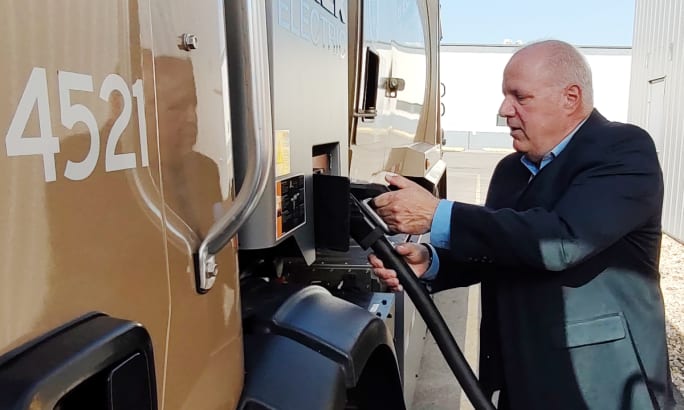
Adam Gaines, general manager of the Kriete location in Madison, demonstrates charging.
Photo: Wayne Parham
Mack’s Role in Electrification in Wisconsin
George Fotopoulos, vice president of E-mobility at Mack Trucks, was on hand at the official handing over of the trucks from Kriete and Mack to the city. He explained how battery-electric refuse trucks are more efficient, safer, quieter, and have lower emissions than their diesel-powered counterparts.
“The future of transportation and waste is actually here today, with these two vehicles behind us,” Fotopoulos added. “The introduction of these electric vehicles is not just about replacing old trucks with new trucks. It's embarking on a new era of waste management.”
He also shared that the first Mack MD Electric, a medium-duty truck available in a Class 6 or Class 7 configuration, delivered by Mack Trucks was in Wisconsin. And, it was retailed by Kriete Truck Centers. In August, Mack Trucks and Kriete handed over a Mack MD Electric to ABC Supply Co. in Beloit, Wisconsin
“We will continue to launch more electric truck models to make more efficient trucks, but also to transition our fleet to a fully zero-emission truck fleet,” Fotopoulos said.
Making Battery-Electric Truck Service Easy
The City of Madison’s Mack LR Electric models are covered under the Mack Ultra Service Maintenance Agreement, which provides Mack LR Electric customers with an uptime package tailored specifically for the technical needs of battery-electric vehicles.
The Mack Ultra Service Maintenance Agreement includes:
Scheduled maintenance
Preventive maintenance
Towing and repair
Battery monitoring service
Mack’s connected uptime services in one package that can be included with monthly truck payments
Mack’s Integrated Telematics Help Maximize Uptime
Mack’s integrated telematics solution, Mack GuardDog Connect, supports the LR Electric and its batteries. Mack said it helps customers achieve peak operating conditions and maximize uptime by monitoring battery health and performance and checking for fault codes and defects reported by the battery and electric components of the energy storage system.
More Fuel Smarts
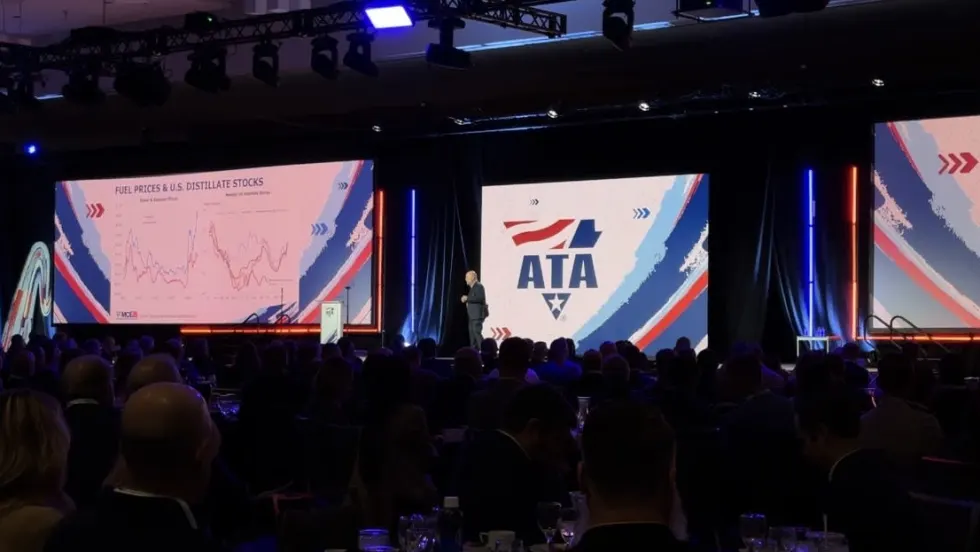
Trucking’s Diesel Squeeze Isn’t Letting Up
With diesel topping $6 a gallon nationally, ATA's Bob Costello explains why fleets should prepare for continued pressure at the pump.
Read More →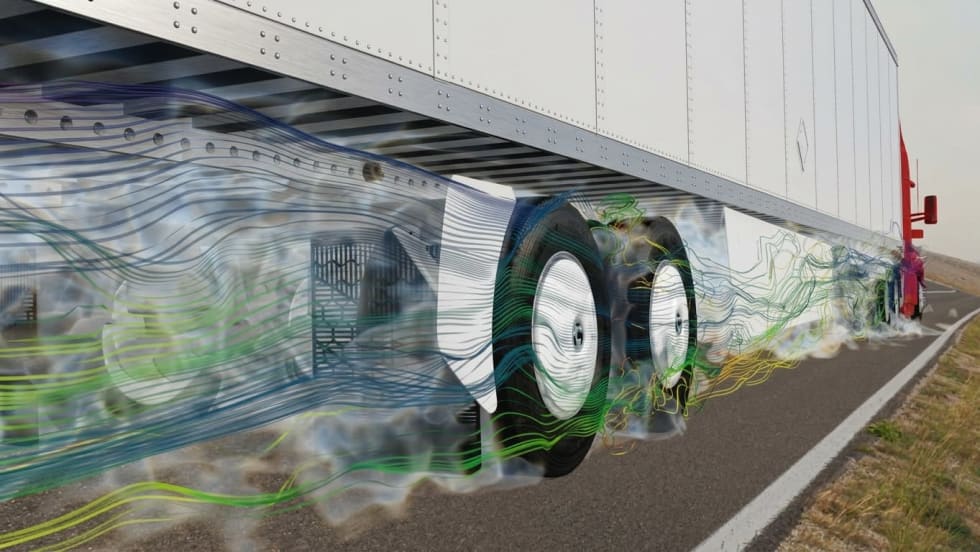
FlowBelow Redesigns Trailer AeroSlider to Cut Fuel Use
The lighter trailer aerodynamic system installs in less than 45 minutes, according to the company, with potential payback in under a year depending on fuel prices and trailer mileage.
Read More →
Why Diesel Price Relief Efforts May Fall Short
Diesel prices have eased from September’s record high, but doubts about additional Russian supply and limits on dyed-diesel tax relief mean trucking fleets still face expensive fuel. And prices could go higher.
Read More →
Why Small Fuel Savings Matter in Trucking
Can better fuel economy help pay for driver raises? In this podcast, GP Transco explains how small efficiency gains create room to reinvest in its people.
Read More →
How GP Transco Cuts Trucking Fuel Costs, a Tenth of a Gallon at a Time
What’s another tenth of a mile per gallon worth? GP Transco shares how equipment upgrades and driver coaching turn small gains into meaningful fuel savings.
Read More →
Electric Yard Tractors Move Beyond Pilots
Operating-cost savings have overtaken sustainability goals as the leading reason surveyed fleets are adopting battery-electric terminal tractors, according to new NACFE research.
Read More →
Geotab Links Fleet Card to Vehicle Data
The new card combines fuel discounts with telematics-based purchase controls. Geotab’s analysis also points to potential savings from choosing lower-priced fuel stops.
Read More →
Fleet Economics Shape Electric Truck Outlook
ACT Research expects costs, charging infrastructure, and technology improvements to drive zero-emission commercial vehicle adoption as federal regulations and incentives retreat.
Read More →
Wex Adds Cardless Fuel Payments for Over-the-Road Customers
A new fuel card feature for Wex customers offers convenience and security.
Read More →
New California Law Could Shed Light on Electric Truck Prices
Why do battery-electric Class 8 trucks remain so expensive? A California bill signed by Gov. Gavin Newsom would give fleets and state agencies more visibility into what manufacturers charge.
Read More →