




Flexibility, Agility Key in Equipment Acquisition Plans for Trucking Fleets
From Drive-Thrus to Highways: Understanding Dynamic Truck Pricing
How today’s data technology can help fleets understand the best times to procure — or to sell — trucks at the best pricing.
by Katerina Jones, Fleet Advantage
July 1, 2024
One of the primary drivers behind the adoption of dynamic pricing is its ability to capture the true value of heavy-duty trucks in real-time.
Image: HDT Graphic
4 min to read
When word got around that the burger chain Wendy’s would start surging prices in 2025, the backlash was swift. What followed was a swarm of media coverage, outraged customers, late-night TV jokes and an endless flood of memes.
In that coverage, surge pricing was also described as dynamic pricing. But there’s a difference.
Contrary to popular misunderstanding, dynamic pricing isn’t just about raising prices when demand exceeds supply. That’s “surge pricing.” Dynamic pricing also includes lowering prices, both when demand declines and during supply surplus. Dynamic pricing essentially responds to the ebbs and flows of a free market economy.
What Wendy’s is doing isn’t all that new, and it’s not only burger-craving consumers experiencing dynamic pricing.
Businesses that procure heavy-duty trucks, such as private fleets, for-hire trucking companies and other vendors, have been placing purchase orders for trucks for many years with prices based on many economic factors that contribute to “dynamic” prices.
However, technology algorithms today are making it much easier for fleets to understand the pricing fluctuations in real time. The key is knowing that not all algorithms are built alike, so it’s important for companies to understand if they are leveraging accurate, real-time data to determine a procurement decision suited for their organization.
How Are Data Algorithms Used by Trucking Fleets?
Truck and vehicle data today is a true gold mine for fleet operation managers, helping them keep tabs on and manage the operations of their vehicles with much greater efficiency.

Data is also being leveraged by finance and analytics departments to monitor and assess the optimal time to replace an aging truck. Today’s real-time sophisticated data, which includes the use of price-setting, can also leverage artificial intelligence and predictive modeling algorithms to analyze large amounts of data and make pricing decisions based on various analysis.
This type of pricing uses data-driven insights and predictive analytics to determine the price for a heavy-duty truck by the manufacturers, based on many different economic and industry-driven factors.
Independent truck lessors also base their lease payment calculations on costs set by the manufacturer and must also leverage algorithms to account for these varying price fluctuations.
How Has Dynamic Pricing Been Used By Truck Manufacturers?
While the term dynamic pricing struck a nerve in consumer circles earlier this year, the truth is that dynamic pricing has actually been in use by the heavy-duty truck industry for many years.
Many factors contribute to price adjustments, such as:
- Geopolitical tensions affecting the supply of parts and commodity prices.
- Regulatory changes shaping emission standards.
- Demand from large fleets.
Traditionally, fixed pricing models struggled to account for these fluctuations effectively. However, dynamic pricing emerged over the years to help OEMs adjust for changing market dynamics, further exacerbated by the rapidly changing supply during and post Covid.
One of the primary drivers behind the adoption of dynamic pricing is its ability to capture the true value of heavy-duty trucks in real-time. Unlike static pricing models that rely on historical data and gut instincts, dynamic pricing leverages real-time data that includes market trends, competitor pricing, raw materials prices and availability, macro-economic trends, and customer behavior.
This data-driven approach enables manufacturers to set prices dynamically, reflecting the ever-changing market conditions accurately.
Moreover, dynamic pricing empowers manufacturers to respond to shifts in supply and demand, such as economic expansions or seasonal peaks. Conversely, during downturns or when facing surplus inventory, prices can be lowered to stimulate demand and clear excess stock.
How Data Support Dynamic Pricing in Remarketing Trucks
The use of dynamic pricing has also been used for many years in the remarketing of trucks. The collection and analysis of real-time data and algorithms have become central pillars of selling used trucks.
Understanding market trends and residual values, buyer behavior, and past price/demand performance metrics enables sellers to adjust their strategy precisely and effectively.
Advanced data algorithms today are being used to recognize specific truck characteristics (brand, model, condition, equipment).
These algorithms can also prove invaluable in estimating refurbishment costs, secondary finance options, and truck trade-in values, based on historical data and local market trends.
Heavy-duty fleets today are partnering with strategic asset management providers with an analytics technology stack, which includes fleet modernization studies and emission studies with analytics software that monitors and analyzes each truck’s raw telematics data.
This advanced real-time data, along with predictive modeling algorithms, is helping fleets to better understand dynamic pricing, and to properly plan for the upgrade and acquisition of new equipment three, four, and five years down the road.
By harnessing the partnership of asset management providers that leverage the powers of data-driven insights and adaptive pricing strategies, these partners can help fleets see a holistic view of their life cycle, from beginning to end, so they are fully optimized from planning to procurement to exchange.
This way fleets can navigate the next several years with confidence, maximizing their total cost of ownership while delivering greater value to customers regardless of the fluctuating change in equipment prices.

Katerina Jones
Photo: Fleet Advantage
About The Author: Katerina Jones is Chief Marketing Officer for Fleet Advantage, a leading innovator in truck fleet business analytics, equipment financing and life cycle cost management. For more information visit www.FleetAdvantage.com.
This article was authored and edited according to Heavy Duty Trucking’s editorial standards and style to provide useful information to our readers. Opinions expressed may not reflect those of HDT.
Subscribe to Our Newsletter
More Equipment

More Trailer Data Through the Same Seven-Way [Video]
Can trucking’s standard seven-way connector handle more cameras and trailer data? Grote’s Adam Slade shows HDT how the company is using new technology with its 4See trailer system, not only to add a new backup camera but also to expand other capabilities — without adding another connection.
Read More →
Grote: More Cameras, Same Seven-Way Connector
The next-generation 4See rear-view backup camera from Grote uses the standard seven-way connector and supports additional cameras and other trailer data.
Read More →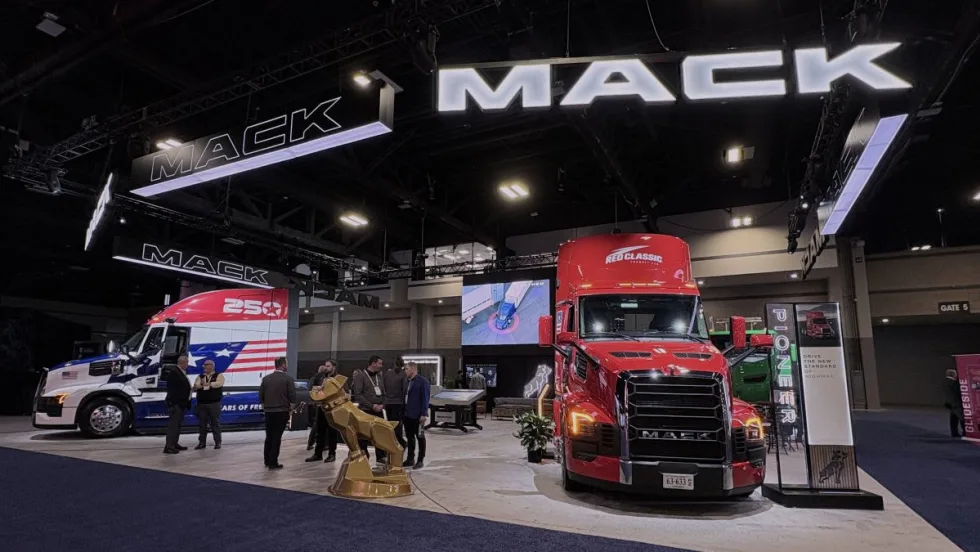
Trucks at ATA's 2026 MC&E in Charlotte, North Carolina [Photos]
From rigs decked out in patriotic America's 250 paint schemes to autonomous trucks and more, check out these photos from ATA's 2026 Management Conference & Exhibition.
Read More →
Help HDT Find Trucking’s Top Products
Have you come across a new product that could make a difference for trucking fleets? Nominate it for HDT’s 2027 Top 20 Products Awards by November 9.
Read More →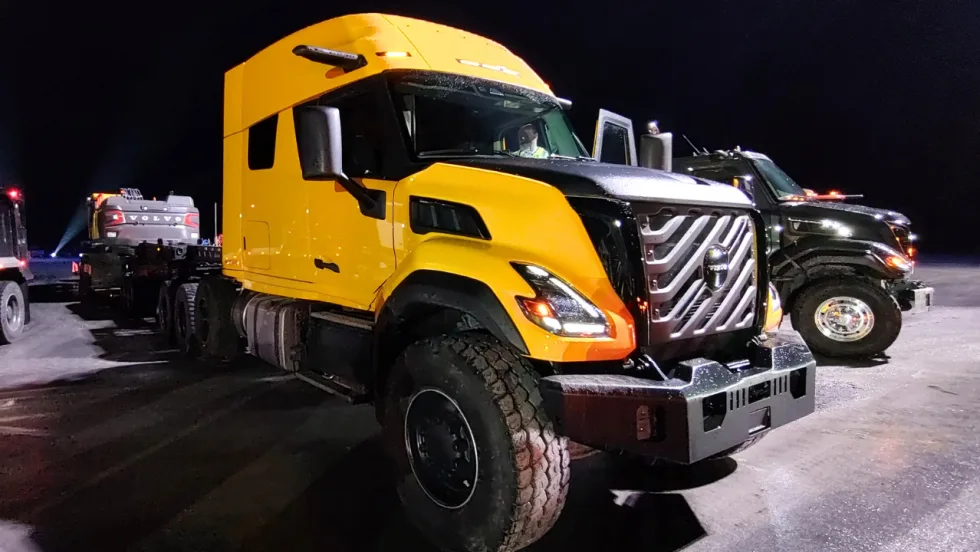
Volvo Unveils New VNX Heavy-Haul and Vocational Truck
Volvo Trucks has launched the VNX, a new vocational truck also available as a tractor in day cab and two sleeper configurations, with one heavy-haul model. The Volvo VNX is powered by Volvo's D13 platform, which delivers up to 540 horsepower and 1,950 pound-feet of torque and is EPA 2027-compliant.
Read More →
How GP Transco Cuts Trucking Fuel Costs, a Tenth of a Gallon at a Time
What’s another tenth of a mile per gallon worth? GP Transco shares how equipment upgrades and driver coaching turn small gains into meaningful fuel savings.
Read More →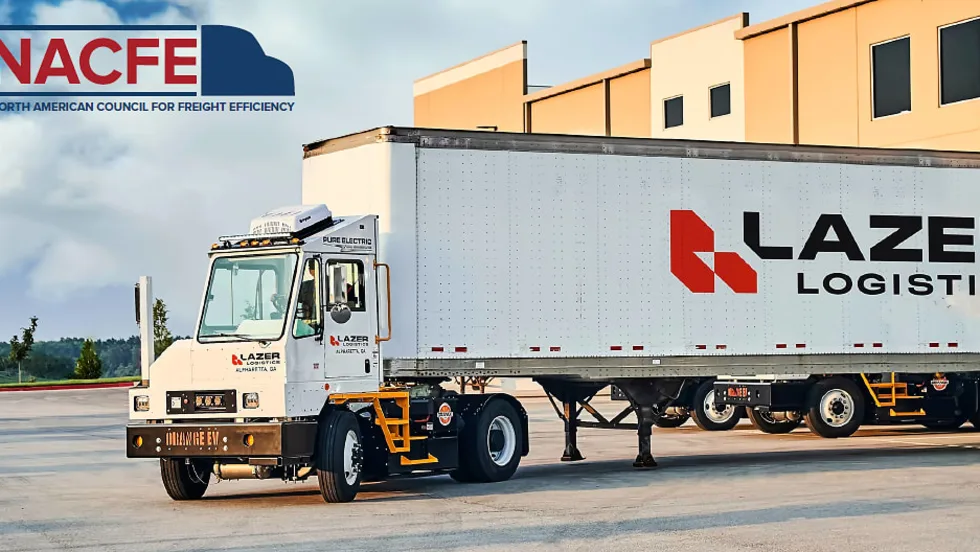
Electric Yard Tractors Move Beyond Pilots
Operating-cost savings have overtaken sustainability goals as the leading reason surveyed fleets are adopting battery-electric terminal tractors, according to new NACFE research.
Read More →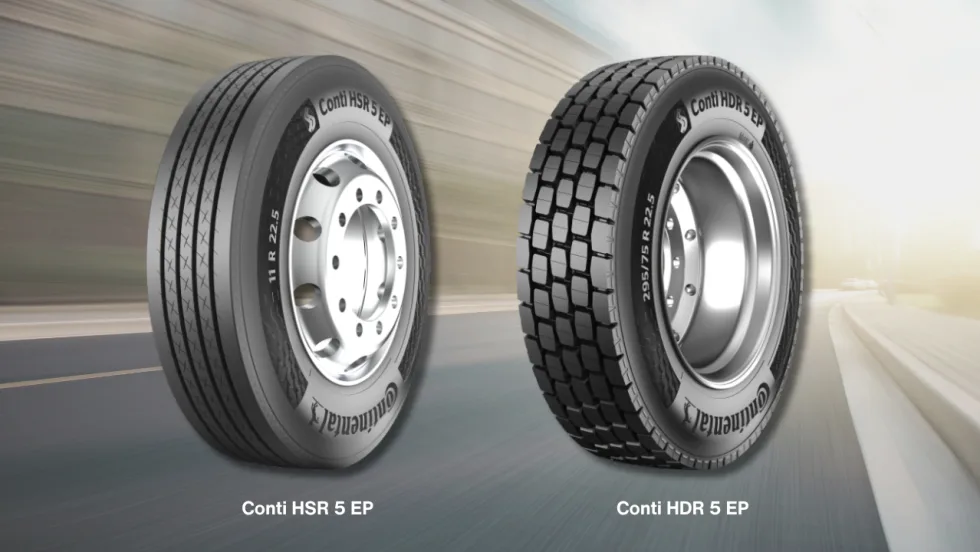
Continental Introduces New Regional Truck Tires
Continental says its new Generation 5 steer and drive tires for regional operations offer longer tread life, with estimated mileage gains of 22% and 19%, respectively.
Read More →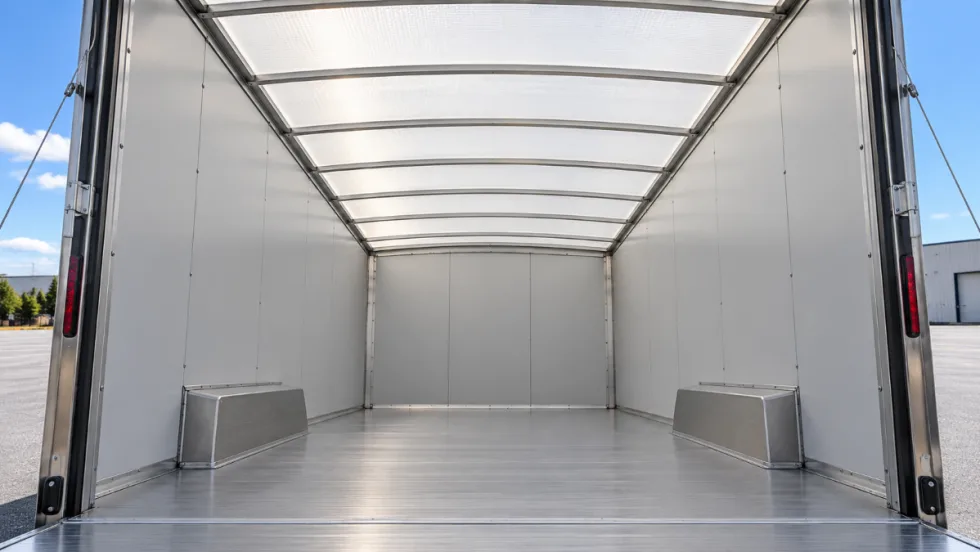
Tekmodo Introduces CargoBright Brand for Translucent Trailer Roofs
CargoBright is designed to diffuse daylight across the cargo area while performing as a working vehicle roof.
Read More →
Fleet Economics Shape Electric Truck Outlook
ACT Research expects costs, charging infrastructure, and technology improvements to drive zero-emission commercial vehicle adoption as federal regulations and incentives retreat.
Read More →