




Accelera Shows off Next-Gen Hydrogen, Electric Solutions for Commercial Vehicles
Accelera by Cummins showed off next-generation versions of its hydrogen fuel cell engines, a high efficiency eAxle, and its next-generation batteries, at the Advanced Clean Transportation Expo.

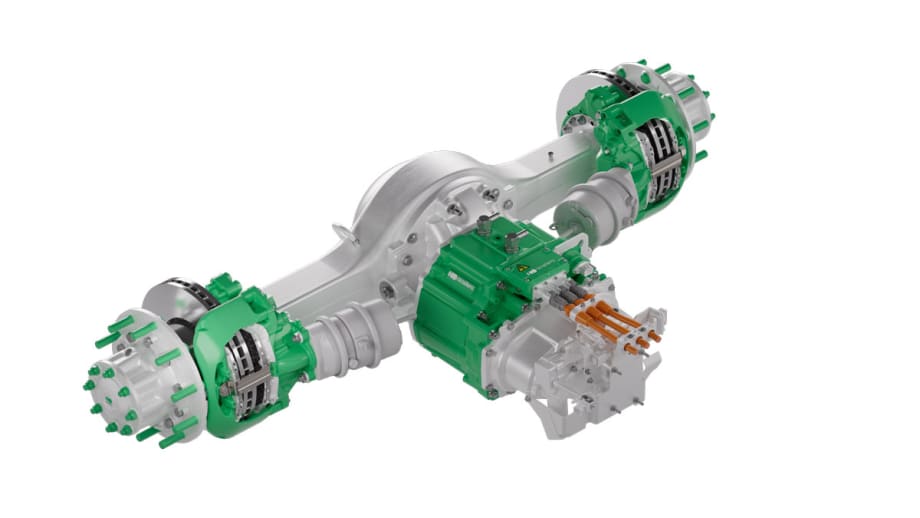
The 14Xe eAxle is designed to accommodate increased torque, power and battery voltage requirements.
Photo: Accelera by Cummins
Next-generation versions of its hydrogen fuel cell engines, a high-efficiency eAxle, and its next-generation batteries among the new products Accelera by Cummins unveiled at the Advanced Clean Transportation (ACT) Expo on May 20 in Las Vegas.
More Powerful Fuel-Cell Engines
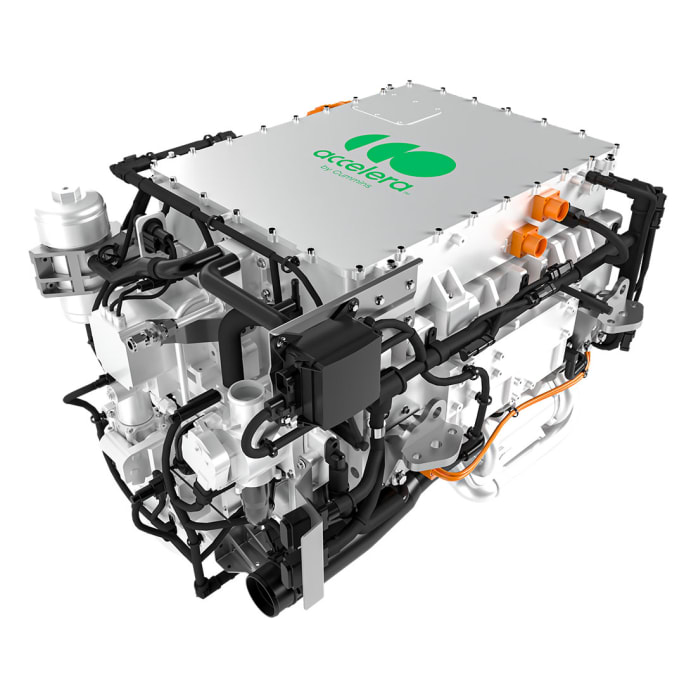
The latest generation of Accelera's fuel cell technology can be found in the FCE300 and FCE150 fuel cell engines.
Both offer increased power density for larger systems, improved system efficiency and advanced durability. The modular architecture allows for a multitude of applications and layouts, while streamlining integration processes for on- and off-highway mobile and stationary applications.
Accelera’s 300kW fuel cell engine will be on display at ACT Expo, in addition to a Navistar RH International Class 8 heavy-duty truck equipped with two rail-mounted FCE150 engines and Accelera’s newest eAxle. This clean-power configuration showcases the connectivity and versatility of Accelera’s offerings.
A Navistar RH International Class 8 heavy-duty truck equipped with two rail-mounted FCE150 engines and Accelera’s newest eAxle will be on display at ACT Expo.
Photo: Accelera by Cummins
EAxle Technology Advancements
The next-gen 14Xe is Accelera’s newest and most versatile eAxle, featuring increased energy efficiency.
Available with a 3-speed twin-countershaft or a 2-speed planetary transmission, the 14Xe is designed to accommodate increased torque, power and battery voltage requirements.
The new 14Xe also minimizes the need for wheel-end reductions, making it a more flexible option for customers.
For an enhanced electric drivetrain with an increased focus on functional safety and cybersecurity, the 14Xe is equipped with Accelera’s ELFA 3 V3.2, a high-power inverter.
The 14Xe is best suited for heavy-duty 6x4 applications in a tandem configuration or as a single application for medium-duty and school bus applications.
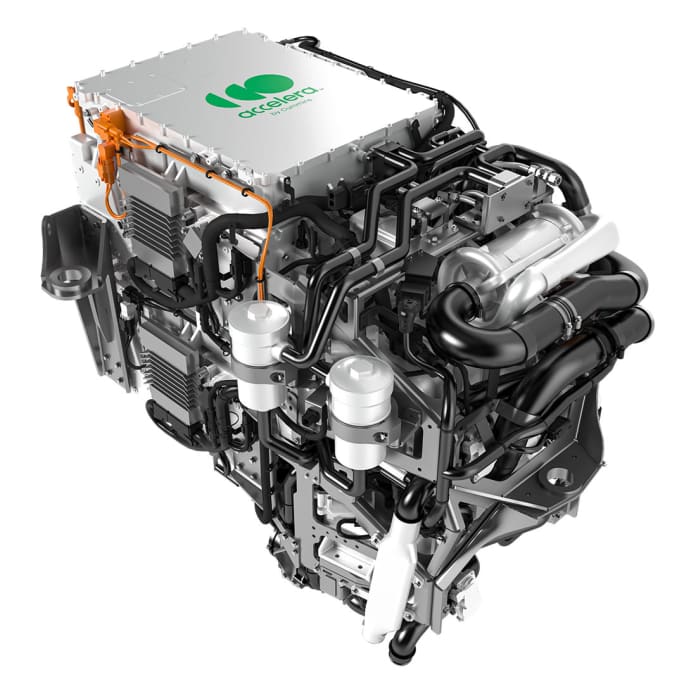
Accelera's new FCE300 fuel cell engine.
Photo: Accelera by Cummins
EV Battery Innovations
Accelera's BP104E is its newest and most flexible battery platform. This next-gen lithium iron phosphate (LFP) platform is highly modular and can adapt easily to different customer needs, providing long life and fast-charging capabilities.
With a rated energy capacity of 104kWh and a max voltage range of 830V, the BP104E is “engineered to redefine energy storage standards along with unparalleled performance, reliability and safety to meet the evolving demands of the transportation sector,” touts an Accelera news release.
The next-gen LFP chemistry composition and cell-to-pack architecture also make it more energy dense and cost competitive.
Volume production of this battery is planned for 2027 with locally manufactured cells in the U.S.
Accelerating the Shift to Zero Emissions
Also on display at ACT Expo are:
The BP97E nickel manganese cobalt (NMC) battery pack
The BP107E LFP battery pack
The 1 CS2002 high powered, remote-mount, direct-drive traction motor.
Many of these products can be easily integrated into existing commercial vehicles or paired with other Accelera products, according to the announcement.
More Fuel Smarts

California Bill Could Shed Light on Electric Truck Prices
Why do battery-electric Class 8 trucks remain so expensive? A California bill headed to Gov. Gavin Newsom would give fleets and state agencies more visibility into what manufacturers charge.
Read More →
Detroit Opens Orders for EPA 2027 Engines
Detroit isn’t starting from scratch to meet EPA 2027 diesel emissions standards. Its Gen 6 DD13 and DD15 engines keep much of today’s platform while updating the fuel and aftertreatment systems.
Read More →
Zero-Emission Truck Corridor Planned for West Coast
California, Oregon, Washington, British Columbia and Baja California are coordinating plans for truck charging and hydrogen fueling from Canada to Mexico.
Read More →
A Closer Look at Kenworth’s Electric T880E Vocational Truck [Video]
Learn more about Kenworth's T880E battery-electric vocational truck at the Paccar Technical Center, including its range, applications, upfitting considerations, and PTO options, in this HDT Spotlight video.
Read More →
Kenworth T880E Brings EV Power to Vocational Trucks
A closer look at the Kenworth T880E’s range, charging, powertrain and upfit options — and where fleets are showing the most interest.
Read More →
Jennie Abarca Is Proving Electric Trucks Can Do the Job
HDT Truck Fleet Innovator Jennie Abarca is building confidence in fleet electrification one load at a time while openly sharing the challenges she encounters along the way as a small-fleet owner.
Read More →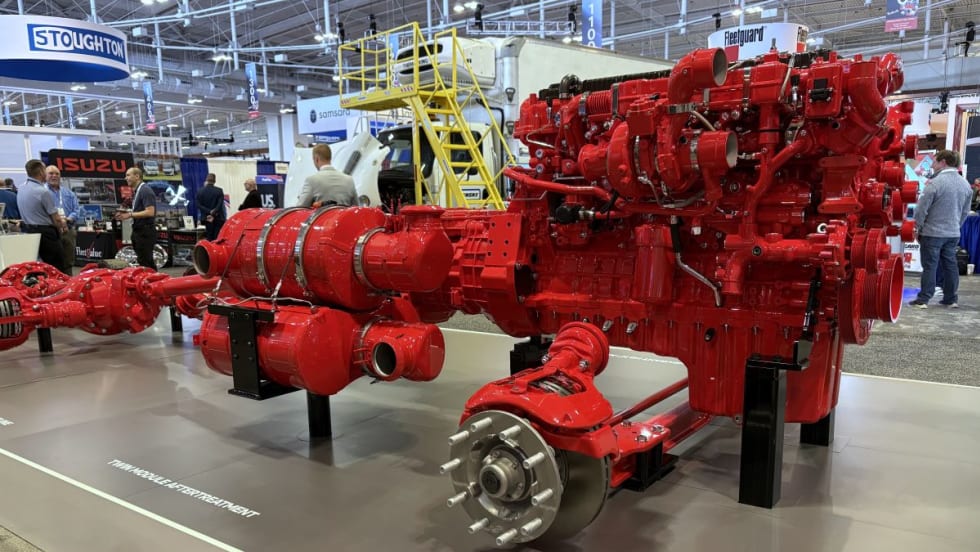
Cummins Adjusts 2027 Engine Rollout After EPA Proposal
The engine maker will gradually introduce its new Model Year 2027 diesel engines while continuing to offer current models during the transition, citing the EPA's proposed emissions rule changes.
Read More →
EPA Proposal Could Ease 2027 Truck Costs and Buying Uncertainty
The proposal doesn't change the tougher NOx standard, but it would revise key implementation requirements that manufacturers say have driven up costs and complicated fleet purchasing decisions.
Read More →
Cummins, Paccar Ease DEF Derates After EPA Guidance
Updated diesel engine software gives truck operators more time to address emissions-system issues while staying compliant with EPA emissions standards.
Read More →
Maintenance in the Messy Middle Part 3: Biodiesel
Biodiesel can reduce emissions, improve fuel-system lubricity and use existing diesel infrastructure. But NACFE’s Messy Middle maintenance report says fleets must actively manage storage, cold-weather operation, filters and oil drain intervals to avoid problems.
Read More →