




Zerova Unveils MegaWatt Charging System at CES 2024
Zerova Technologies has launched a fast-charging DC power system for heavy-duty vehicles that offers up to 3.75 megawatts of output.

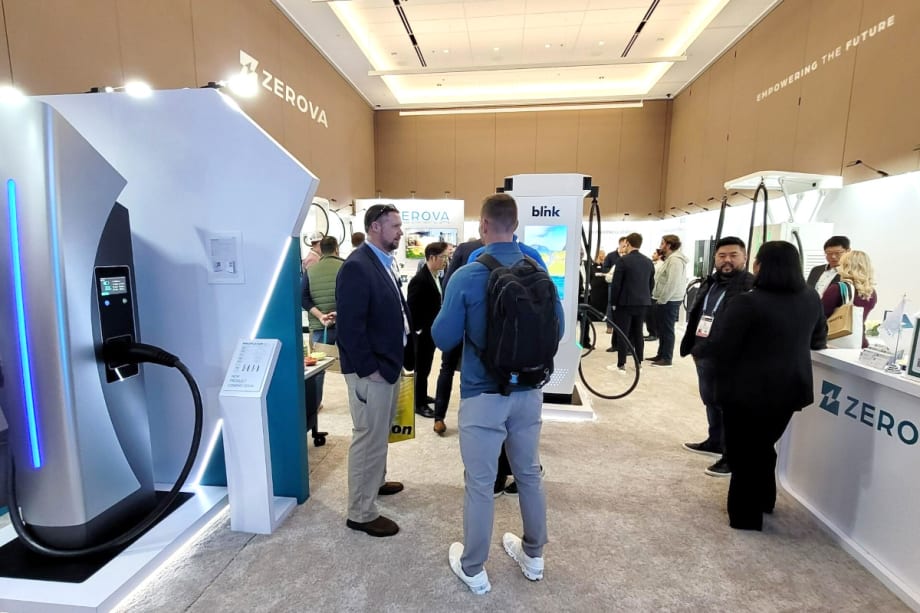
Zerova Technologies showcased its MegaWatt Charging System (MCS) with support for up to 3.75 megawatts at CES 2024.
Photo: Zerova Technologies
Zerova Technologies debuted its MegaWatt Charging System for commercial heavy-duty vehicles at CES 2024. The company said it will support up to 3.75 megawatts, 3,000 amps, and 1,250 volts.
Zerova said it is leveraging its MCS charging system to harness booming demand for total commercial fleet solutions while delivering the scalability, efficiency, and user-friendly designs fleets need. It offers an integrated platform that the company said combines cutting-edge hardware and software with onboard applications such as a system for scheduling charging times for added ease of use.
In North America, Zerova said, it has a proven track record of collaborations with automakers, charge point operators, and turnkey EV charging providers supporting various sectors, including hospitality, multi-unit dwelling, parking, fuel, and fleet.
"Zerova Technologies has established a solid business foundation in the fiercely competitive North American market through successful collaborations with hotels, apartment complexes, parking facilities, gas stations, and heavy-duty fleets," said Alex Lin, chairman at Zerova Technologies.
Key innovations in the Megawatt Charging System, according to Zerova, are:
Single conductive plug
Max 1,250 volt and 3,000 amp (DC)
PLC+ISO/IEC 15118
Touch safe (UL2251)
On-handle software-interpreted override switch
Adheres to OSHA and ADA standard
FCC Class A EMI
Located on the left side of the vehicle, roughly hip-height
Capable of being automated
UL (NREL) certified
Cyber-Secure
V2X(Bi-directional)
More Fuel Smarts

Detroit Opens Orders for EPA 2027 Engines
Detroit isn’t starting from scratch to meet EPA 2027 diesel emissions standards. Its Gen 6 DD13 and DD15 engines keep much of today’s platform while updating the fuel and aftertreatment systems.
Read More →
Zero-Emission Truck Corridor Planned for West Coast
California, Oregon, Washington, British Columbia and Baja California are coordinating plans for truck charging and hydrogen fueling from Canada to Mexico.
Read More →
A Closer Look at Kenworth’s Electric T880E Vocational Truck [Video]
Learn more about Kenworth's T880E battery-electric vocational truck at the Paccar Technical Center, including its range, applications, upfitting considerations, and PTO options, in this HDT Spotlight video.
Read More →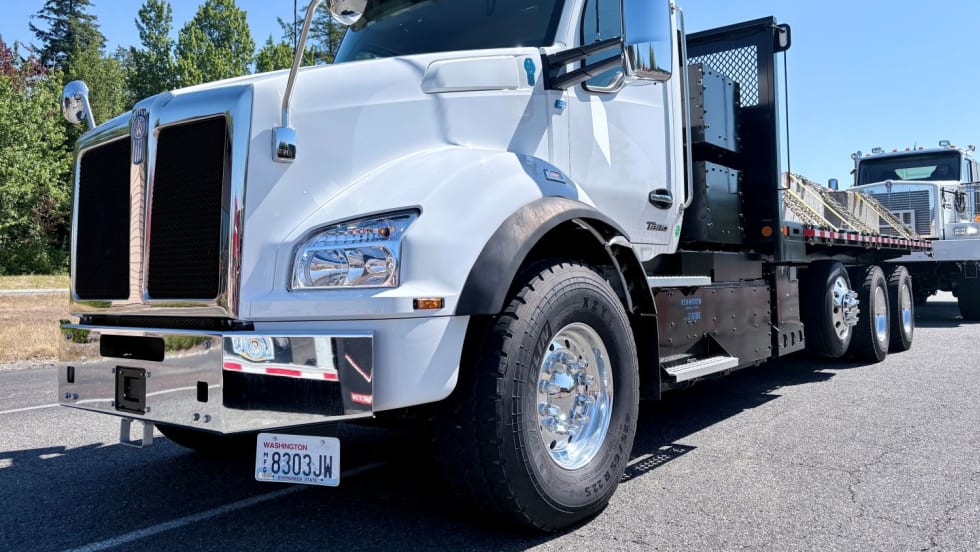
Kenworth T880E Brings EV Power to Vocational Trucks
A closer look at the Kenworth T880E’s range, charging, powertrain and upfit options — and where fleets are showing the most interest.
Read More →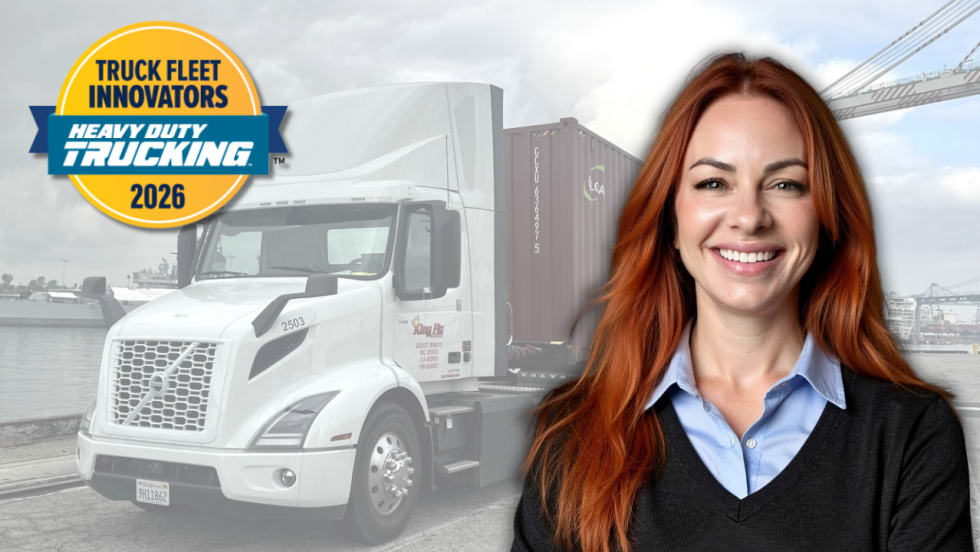
Jennie Abarca Is Proving Electric Trucks Can Do the Job
HDT Truck Fleet Innovator Jennie Abarca is building confidence in fleet electrification one load at a time while openly sharing the challenges she encounters along the way as a small-fleet owner.
Read More →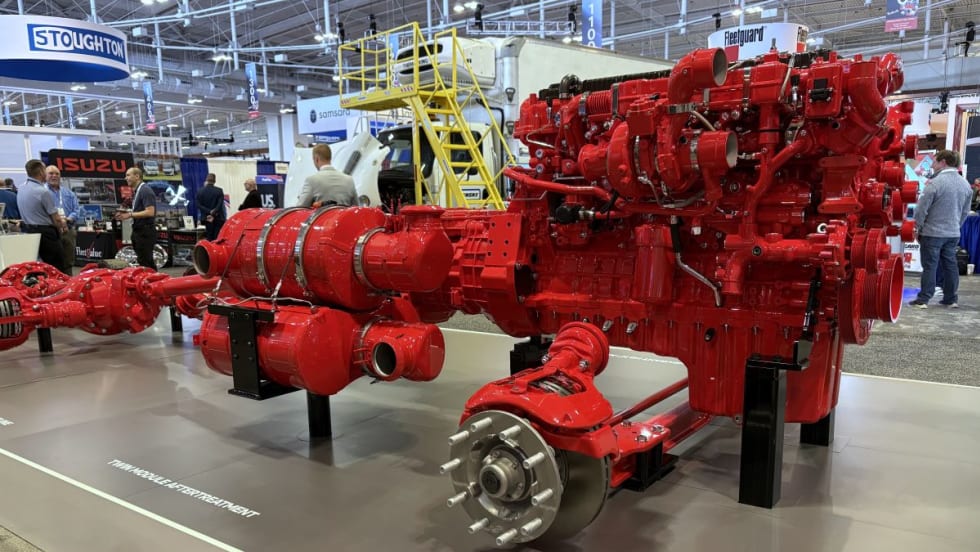
Cummins Adjusts 2027 Engine Rollout After EPA Proposal
The engine maker will gradually introduce its new Model Year 2027 diesel engines while continuing to offer current models during the transition, citing the EPA's proposed emissions rule changes.
Read More →
EPA Proposal Could Ease 2027 Truck Costs and Buying Uncertainty
The proposal doesn't change the tougher NOx standard, but it would revise key implementation requirements that manufacturers say have driven up costs and complicated fleet purchasing decisions.
Read More →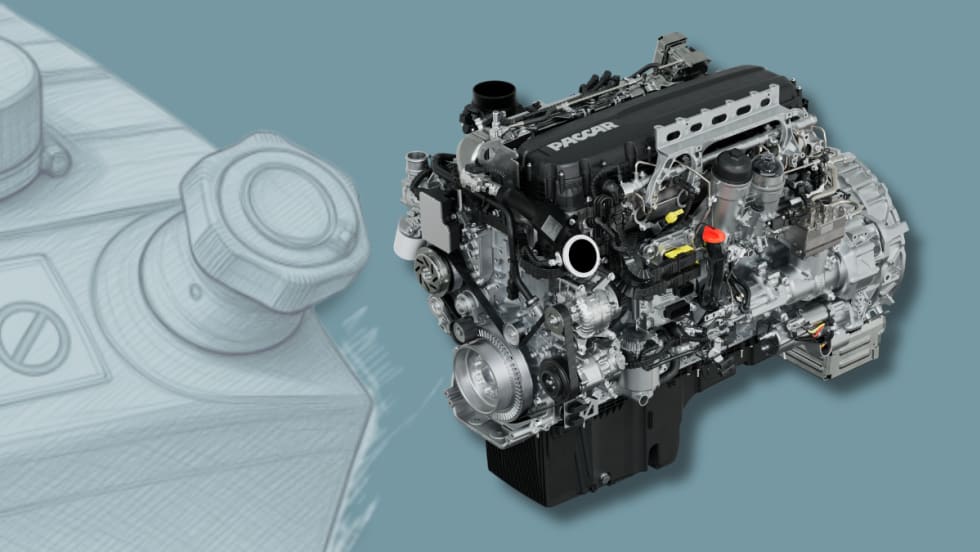
Cummins, Paccar Ease DEF Derates After EPA Guidance
Updated diesel engine software gives truck operators more time to address emissions-system issues while staying compliant with EPA emissions standards.
Read More →
Maintenance in the Messy Middle Part 3: Biodiesel
Biodiesel can reduce emissions, improve fuel-system lubricity and use existing diesel infrastructure. But NACFE’s Messy Middle maintenance report says fleets must actively manage storage, cold-weather operation, filters and oil drain intervals to avoid problems.
Read More →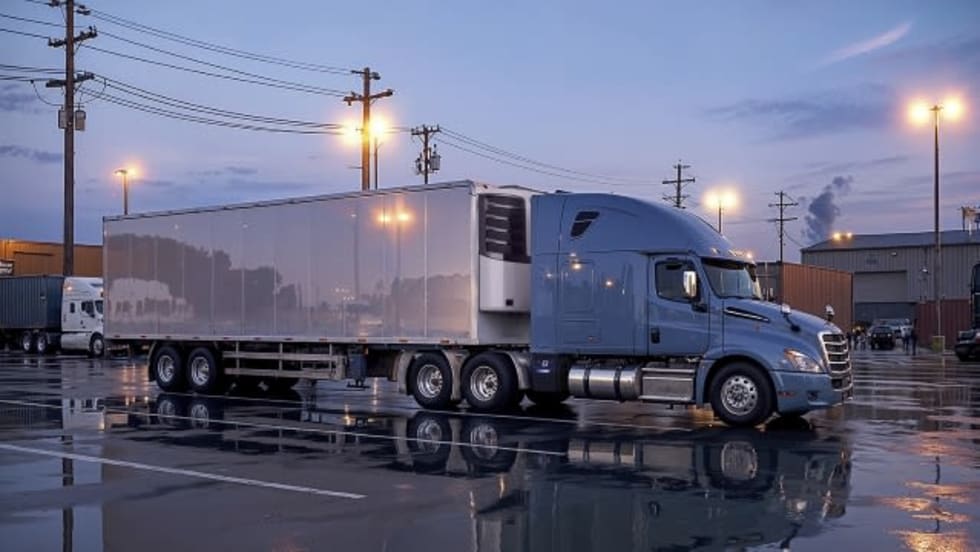
Enhance Fleet Performance with High-Efficiency Auxiliary Power Units
Drive sustainable cost savings while increasing driver comfort during short- and long-haul logistics operations.
Read More →