




Trucking Alliance: Denial of Hair-Testing Exemption Offers ‘Clear Road Map’
Proponents of hair-testing for federally required drug screenings have had another setback with the denial of a petition to the Federal Motor Carrier Safety Administration.... Or have they?

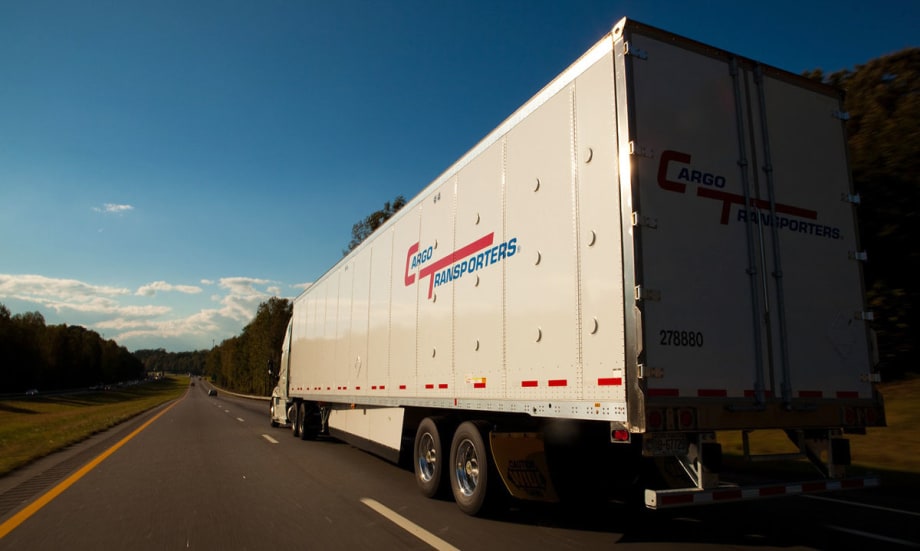
Cargo Transporters is one of the motor carriers using hair testing to detect illegal drugs among driver candidates.
Photo: Cargo Transporters
Proponents of hair-testing for federally required drug testing of truck drivers have had another setback with the denial of a petition to the Federal Motor Carrier Safety Administration ... Or have they?
In a notice scheduled to be published in the Federal Register Dec. 23, FMCSA announced its decision to deny a request for a waiver from The Alliance for Driver Safety & Security, also known as the Trucking Alliance.
The Alliance wanted its motor carrier members to receive an exemption from the Federal Motor Carrier Safety Regulations to amend the definition of “actual knowledge” to include the employer’s knowledge of a driver’s positive hair test, which would require such results be reported to the FMCSA Drug and Alcohol Clearinghouse and to inquiring carriers.
The Trucking Alliance carrier members include Cargo Transporters, Dupre ́ Logistics, Frozen Food Express, J.B. Hunt Transport; KLLM Transport Services, Knight Transportation, Maverick Transportation, Schneider, Swift Transportation, US Xpress, and May Trucking Company.
These carriers believe that hair testing enhances public safety by providing a longer detection window for controlled substance use and by minimizing the opportunity for fraud in the currently mandated urine specimen collection process.
Because hair testing is more reliable and accurate than urine testing, said the Alliance’s petition, it is the “appropriate drug testing method for preemployment and random testing protocols.”
FMCSA analyzed the application and public comments and determined that the agency lacks the statutory authority to grant the exemption request.
The denial gives the Alliance “a clear road map,” said Lane Kidd, managing director of the Trucking Alliance, in an email to HDT.
“FMCSA doesn't question the merits of hair testing, only that it does not yet have the authority to grant the application,” Kidd explained. “When HHS issues a final hair testing rule next year, FMCSA will have its authority, and can include hair test results into the clearinghouse under its definition of an employer’s actual knowledge of a truck driver’s drug use. When FMCSA completes its own rulemaking, employers will be able to drop urine testing in favor of only the hair test. So, we expect to finally achieve our objective next year.”
Why Hair Testing?
As TruckSafe Consulting President Brandon Wiseman explained in an article, many carriers, including those who filed this petition, have been using hair testing as a supplement to their DOT testing process.
“In other words, they go above and beyond what the regulations require of them by conducting non-DOT hair tests in addition to the DOT urinalysis tests,” he said. “This is permissible under the regulations, so long as the hair tests are in addition to the urine tests. If one of these hair tests returns a positive result but the urine test is negative, the carrier can take action to terminate or discipline the driver under its own independent authority as the employer, but it cannot report the result of that test to the Drug/Alcohol Clearinghouse or to future employers of that driver, since it is not an approved test type.”
The Alliance contends that not having these tests in the Clearinghouse negatively affects safety, allowing drivers to cheat on urine tests or to abstain from drugs long enough to pass the pre-employment test.
In October, the Alliance released results of research it conducted on the effectiveness of hair versus urine tests. The study examined differences between hair and urine drug test results by sampling 172,632 pre-employment hair and urine drug screens that were administered in 2021 by seven carrier members of the organization.
“If participating carriers did not use hair testing, they likely would have hired 3,959 drivers that failed hair tests,” said the organization in an announcement. “It is likely these individuals are now driving for another carrier, given hair testing results cannot be submitted to the drug and alcohol clearinghouse.”
“Eleven times more truck drivers fail a hair test for illegal drugs than the DOT-required urine test,” said Kidd in that announcement. "That equals thousands of truck drivers. And DOT doesn't know their names.”
The Long Road to Hair Testing Approval
When FMCSA published the notice of the Alliance’s request for a waiver, the agency said it currently lacks the statutory authority to grant the Trucking Alliance’s request for exemption because the Department of Health and Human Services has not yet issued final Mandatory Guidelines for hair testing.
In 2015, the Fixing America’s Surface Transportation Act (FAST Act) required HHS to issue scientific and technical guidelines for hair testing, no later than one year after this act. HHS finally issued a proposed rule in 2020, widely criticized by hair-testing proponents.
The proposed rules would allow the use of hair testing for pre-employment and random testing. However, the proposal would require the collection and testing of at least one other specimen type, such as urine or oral fluid.
Using a urine test to corroborate isn't the answer, said critics. At the time of the HHS 2020 proposal, P. Sean Garney, vice president, Scopelitis Transportation Consulting, told HDT, “Congress required HHS to develop this rule because our urine-based drug testing system is easily defeated. Hair testing isn’t. The problem is that this proposal really only allows the use of hair testing to identify negative tests. All positive tests must be confirmed using the system Congress was seeking to improve.”
In their comments filed on the notice, the Trucking Alliance and several of its member companies said nothing in the federal statute prohibits FMCSA from implementing what Congress specifically directed the Secretary of Transportation to do — recognize hair testing as an acceptable alternative to urine testing.
The DOT also has proposed adding oral testing to the approved drug-testing methods.
More Safety & Compliance

More Trailer Data Through the Same Seven-Way [Video]
Can trucking’s standard seven-way connector handle more cameras and trailer data? Grote’s Adam Slade shows HDT how the company is using new technology with its 4See trailer system, not only to add a new backup camera but also to expand other capabilities — without adding another connection.
Read More →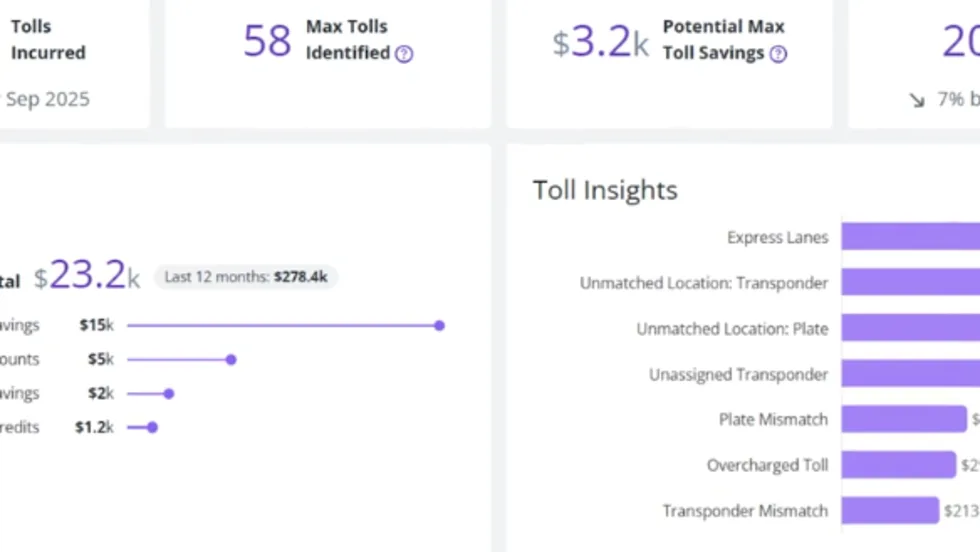
PrePass Intelligence Mines Fleet Bypass, Toll and Safety Data
PrePass Intelligence helps fleets measure bypass savings, flag potential toll overcharges, and spot suspicious transactions by combining data from separate systems.
Read More →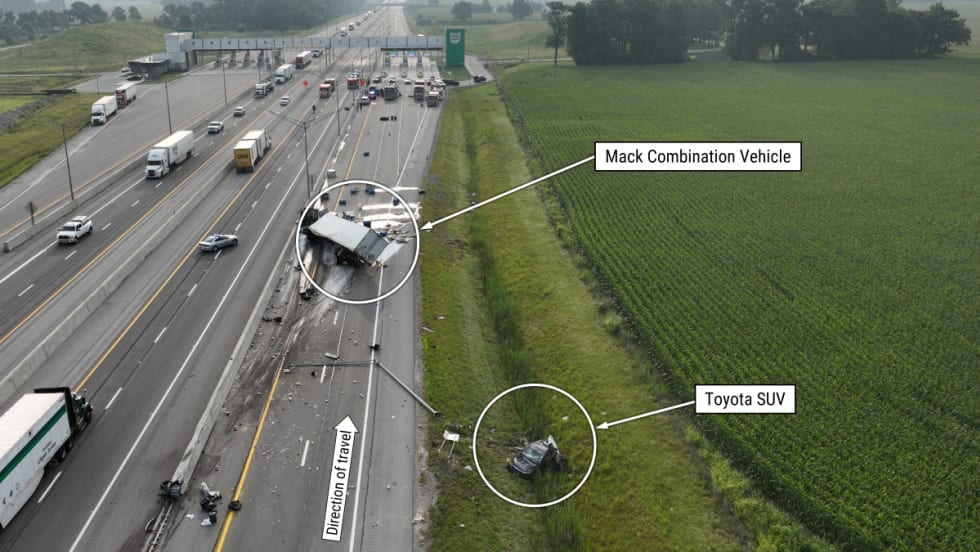
Fatal Crash Exposes Toll Plaza Risks
An NTSB investigation found that last-minute lane changes and large speed differences at an Ohio toll plaza created a hazard the truck driver couldn't avoid in time.
Read More →
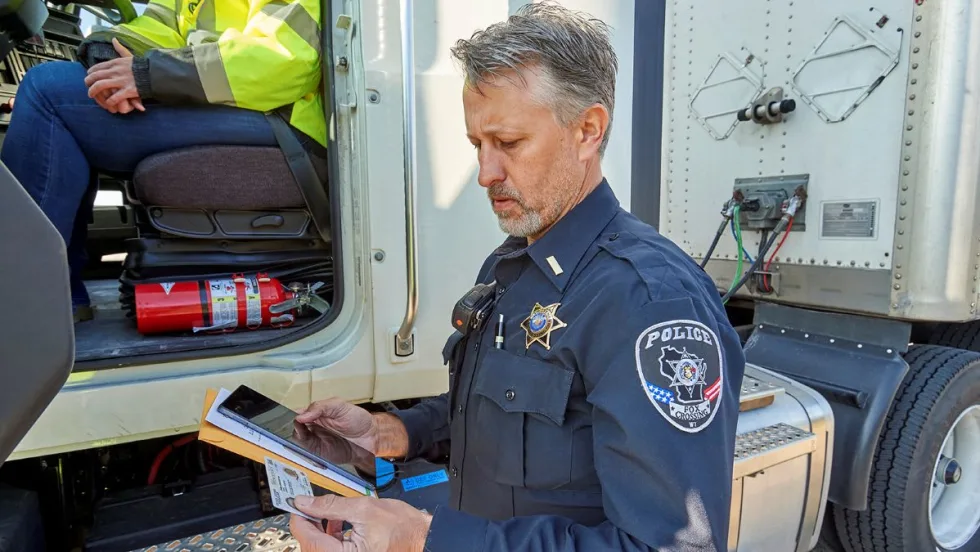
When Language Stops the Truck: The Return of ELP Out-of-Service Orders
English language proficiency rules for commercial drivers aren’t new, but renewed out-of-service enforcement has raised the stakes. Here’s what carriers need to know before a driver reaches a roadside inspection.
Read More →
A Camera Isn't a Safety Program. Here's What Brokers Are Screening for Now
Footage alone may not be enough to pass broker vetting processes. Here's what counts as a defensible safety program now.
Read More →
Marijuana and Trucking’s Drug-Testing Dilemma
Marijuana is getting stronger, laws are changing, and drug tests still can’t reliably establish impairment. What does that mean for truck drivers and the fleets that employ them?
Read More →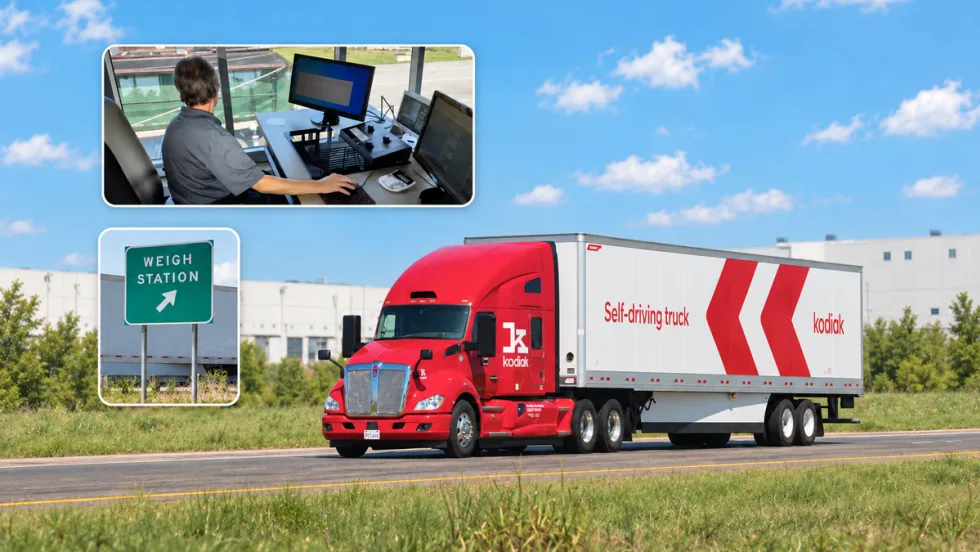
PrePass, Kodiak Connect Driverless Trucks to Roadside Enforcement
The system will allow enforcement agencies to verify Enhanced Inspection information and decide whether Kodiak’s autonomous trucks can bypass roadside screening sites.
Read More →
From One Generation to the Next: How Mentorship Builds Safer Truck Drivers
After three decades in trucking, Harold Perry shares what he's learned about driver safety, mentorship, and helping the next generation build confidence behind the wheel.
Read More →
FMCSA Pauses Biennial-Update Enforcement Amid Motus Transition
Carriers whose updates were due on or after June 1 have more time, while FMCSA works to stabilize its new registration system and warns of phishing sites impersonating its new carrier registration system, Motus.
Read More →
ZF Expands Commercial Vehicle Push in North America
ZF is expanding its North American commercial-vehicle presence with new transmission applications, electrification, trailer technology and autonomous-driving systems.
Read More →