




Amazon Order Drives Renewable Natural Gas Development
The latest effort from Clean Energy and BP has the estimated potential to convert the methane produced from dairy waste into more than 7 million gallons of RNG annually.

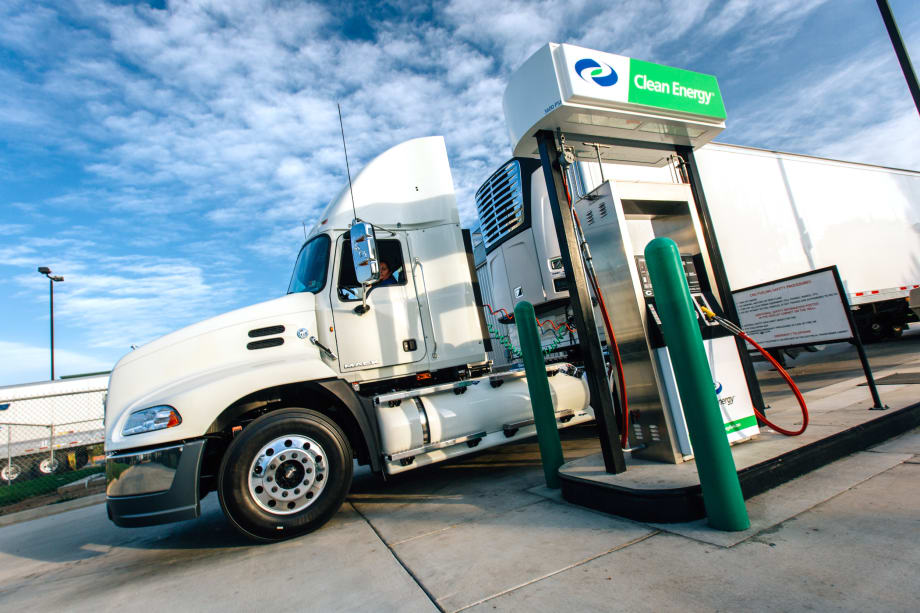
Renewable natural gas when used as a transportation fuel has lower GHG emissions on a lifecycle basis than conventional diesel.
Photo: Clean Energy
Clean Energy Fuels Corp. and BP announced that their renewable natural gas joint venture will build on previously announced plans to finance and develop new projects at dairy farms, starting in the Midwest.
“The demand for RNG is rapidly growing, highlighted by our recent announcement to fuel a new fleet of Amazon heavy-duty trucks deploying across the country,” said Clay Corbus, senior vice president and co-head of renewable fuels at Clean Energy. “Our joint venture with BP to develop new supplies is critical to keeping up with this demand.”
In February, Reuters reported that Amazon had ordered hundreds of trucks that run on compressed natural gas as it tests ways to shift its U.S. fleet away from heavier-polluting trucks. “Amazon is excited about introducing new sustainable solutions for freight transportation and is working on testing a number of new vehicle types including electric, CNG and others,” the company said in a statement.
In April, Clean Energy signed an agreement with Amazon to provide low- and negative-carbon renewable natural gas, to be provided at 27 existing Clean Energy fueling stations and another 19 non-exclusive new or upgraded Clean Energy-owned stations that Clean Energy expected to be constructed by the end of the year.
This latest announcement involves RNG from dairy farms in South Dakota and Iowa. These farms, with more than 30,000 cows, have the estimated potential to convert the methane produced from waste into more than 7 million gallons of RNG annually, according to the announcement.
Agriculture accounts for nearly 10% of U.S. greenhouse gas emissions, according to the U.S. Environmental Protection Agency. Capturing methane from farm waste can lower these emissions. RNG is used as a transportation fuel and has lower GHG emissions on lifecycle basis when compared to conventional gasoline and diesel. The California Air Resources Board has given similar projects a carbon intensity (CI) score of weighted average of -320 compared to CI scores of 101 for conventional diesel fuel and 15 for electric batteries.
With over 550 dispensing locations, Clean Energy said, it has the largest network of RNG stations in the U.S. BP transports RNG to California markets and monetizes the environmental credits associated with dispensing the RNG.
“These collaborations are critical steps toward our ambition of helping the world reach net zero by 2050 or sooner,” said Sean Reavis, BP biogas origination. “Our biogas strategy is focused on growth and developing an integrated business model that allows us to deliver the unique energy products the market is demanding.”
The first RNG production facility is expected to be operational in 2022.
More Fuel Smarts
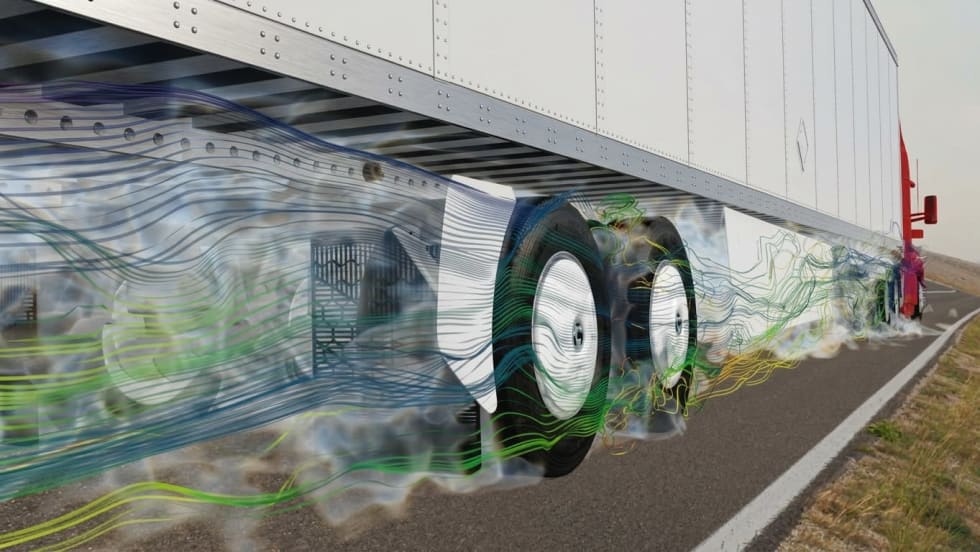
FlowBelow Redesigns Trailer AeroSlider to Cut Fuel Use
The lighter trailer aerodynamic system installs in less than 45 minutes, according to the company, with potential payback in under a year depending on fuel prices and trailer mileage.
Read More →
Why Diesel Price Relief Efforts May Fall Short
Diesel prices have eased from September’s record high, but doubts about additional Russian supply and limits on dyed-diesel tax relief mean trucking fleets still face expensive fuel. And prices could go higher.
Read More →
Why Small Fuel Savings Matter in Trucking
Can better fuel economy help pay for driver raises? In this podcast, GP Transco explains how small efficiency gains create room to reinvest in its people.
Read More →
How GP Transco Cuts Trucking Fuel Costs, a Tenth of a Gallon at a Time
What’s another tenth of a mile per gallon worth? GP Transco shares how equipment upgrades and driver coaching turn small gains into meaningful fuel savings.
Read More →
Electric Yard Tractors Move Beyond Pilots
Operating-cost savings have overtaken sustainability goals as the leading reason surveyed fleets are adopting battery-electric terminal tractors, according to new NACFE research.
Read More →
Geotab Links Fleet Card to Vehicle Data
The new card combines fuel discounts with telematics-based purchase controls. Geotab’s analysis also points to potential savings from choosing lower-priced fuel stops.
Read More →
Fleet Economics Shape Electric Truck Outlook
ACT Research expects costs, charging infrastructure, and technology improvements to drive zero-emission commercial vehicle adoption as federal regulations and incentives retreat.
Read More →
Wex Adds Cardless Fuel Payments for Over-the-Road Customers
A new fuel card feature for Wex customers offers convenience and security.
Read More →
New California Law Could Shed Light on Electric Truck Prices
Why do battery-electric Class 8 trucks remain so expensive? A California bill signed by Gov. Gavin Newsom would give fleets and state agencies more visibility into what manufacturers charge.
Read More →
How Volvo Updated Its D13 for EPA 2027 [Watch]
Volvo’s updated D13 promises lower emissions without sacrificing performance or fuel economy. Take a closer look at what changed inside the engine in this HDT Spotlight video.
Read More →