





Listen to this HDT Talks Trucking podcast episode and others on your favorite podcast platform or at www.truckinginfo.com/podcasts
Gauging the Future of Diesel with DTF’s Allen Schaeffer
The air around truck-power developments may crackle with electricity, but is the distinctly pungent aroma of diesel fuel in danger of floating away, into our past?
March 11, 2021
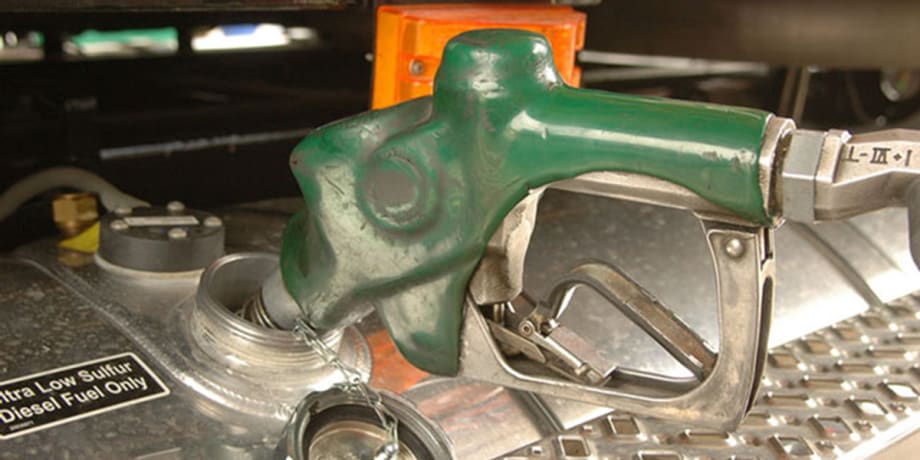
To get up to speed on the current outlook for diesel power, HDT Talks Trucking got on the line with Allen Schaeffer, executive director of the nonprofit Diesel Technology Forum.
Photo: Jim Park
3 min to read
The air around truck-power developments may crackle with electricity, but is the distinctly pungent aroma of diesel fuel in danger of floating away, into our past? To get up to speed on the current outlook for diesel power, HDT Talks Trucking got on the line with Allen Schaeffer, executive director of the nonprofit Diesel Technology Forum.
As Schaeffer sees it, not only is diesel not going away, it keeps getting cleaner. “Diesel is in a good spot today,” he told HDT Talks Truckinghost Jim Park. “It's achieving near-zero emissions for the newest generation of technology. And, you know, there's plenty out of additional improvement in diesel [to come] in the future. We’re excited about that as are the member companies of Diesel Technology Forum.”
He pointed out that compared to truck diesels of 2000, “today’s diesel engine is over 98% lower in emissions of fine particles and nitrogen oxides. That’s an incredible accomplishment. Now, the focus is on how much closer to zero can we get? From what I hear from manufacturers and suppliers, there's definitely some room to scoot closer to that zero point. It will be challenging, and not without additional expense, but it's definitely possible.”
Schaeffer contended that you can’t fairly compare the green impact of diesel vs. electric powering trucks without factoring in the source of electricity generation. He says the question is should tailpipe emissions be traded for smokestack emissions?
“Do we talk about zero emissions if there really is no such thing, because there are always some impacts associated with whatever it is that's powering whatever vehicle that you have,” he said. Schaeffer then pointed out that California has “a very high mix of renewable energy and wind and solar power and aggressive policies to go even further on that, so electric vehicles there are going to get very close to near zero [overall].
“The Pacific Northwest gets a lot of its electrical energy from hydropower,” he continued. “As long as there are high volumes of water flowing out through the Cascade Mountains, you're going to have a good supply of extremely clean hydropower to generate electricity. But then go to the East Coast and other places where the idea of wind farms and other [green technology] things is only recently coming into focus. That means the electricity is coming from conventional fossil-fuel fired power generators or from nuclear reactors.”
Schaeffer also spoke to the reality that the newness of electric trucks alone naturally sparks interest. “There is tremendous hyperbole and media coverage and excitement about something new and electrification is that. It's the talk of the town. I think my advice for fleets would be that this is all about risk management. I think if you know your [vehicle] supplier and have a relationship with them and trust and understand what they offer, you can maybe get a feel for other technologies in your business model and your lanes of freight. That's where you start. To see if these might work in your business.”
He straight up advised “not getting caught up in the moment. Go with what you know. Don't be afraid to take some risks along the way, just make sure you know what you're getting into and do it with good partners and folks who can advise you well. Check out not only how cold the water is, but how deep it is before you jump in.”
Subscribe to Our Newsletter
More Fuel Smarts

Record Diesel Prices Squeeze Trucking Fleets
Average U.S. diesel prices have climbed to nearly $6 a gallon, surpassing the 2022 record as tight refinery capacity and Middle East disruptions keep fuel costs elevated.
Read More →
Sponsored•September 9, 2026
How Fuel Delivery Shapes Engine Performance
Fuel delivery depends on more than what happens at the injector. For fleet, maintenance and technical professionals, looking at the full path from pump to injector can provide useful context for understanding engine performance.
Read More →
East Coast Port Launches $45M Electric Truck Push
The Port Authority of New York and New Jersey announced millions in incentives for zero-emission drayage trucks, yard tractors, and new charging hubs near the port.
Read More →

California Bill Could Shed Light on Electric Truck Prices
Why do battery-electric Class 8 trucks remain so expensive? A California bill headed to Gov. Gavin Newsom would give fleets and state agencies more visibility into what manufacturers charge.
Read More →
Detroit Opens Orders for EPA 2027 Engines
Detroit isn’t starting from scratch to meet EPA 2027 diesel emissions standards. Its Gen 6 DD13 and DD15 engines keep much of today’s platform while updating the fuel and aftertreatment systems.
Read More →
Zero-Emission Truck Corridor Planned for West Coast
California, Oregon, Washington, British Columbia and Baja California are coordinating plans for truck charging and hydrogen fueling from Canada to Mexico.
Read More →
A Closer Look at Kenworth’s Electric T880E Vocational Truck [Video]
Learn more about Kenworth's T880E battery-electric vocational truck at the Paccar Technical Center, including its range, applications, upfitting considerations, and PTO options, in this HDT Spotlight video.
Read More →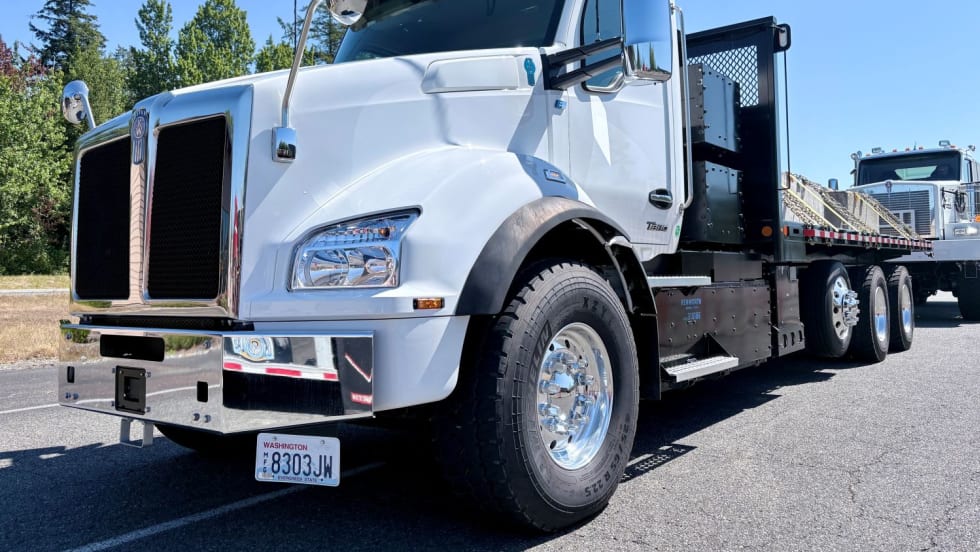
Kenworth T880E Brings EV Power to Vocational Trucks
A closer look at the Kenworth T880E’s range, charging, powertrain and upfit options — and where fleets are showing the most interest.
Read More →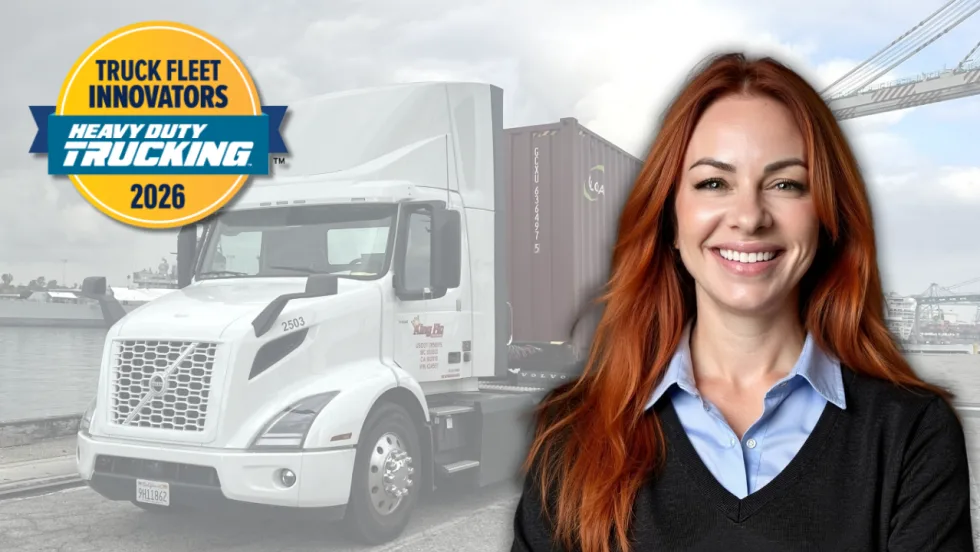
Jennie Abarca Is Proving Electric Trucks Can Do the Job
HDT Truck Fleet Innovator Jennie Abarca is building confidence in fleet electrification one load at a time while openly sharing the challenges she encounters along the way as a small-fleet owner.
Read More →
Cummins Adjusts 2027 Engine Rollout After EPA Proposal
The engine maker will gradually introduce its new Model Year 2027 diesel engines while continuing to offer current models during the transition, citing the EPA's proposed emissions rule changes.
Read More →