




Roadcheck 2021 to Target Hours of Service, Lighting
This year’s International Roadcheck commercial motor vehicle inspection blitz, scheduled for May, will focus on vehicle lighting and hours-of-service compliance.


Although inspectors will focus on lighting and hours of service during Roadcheck 2021, the rest of the vehicle is still subject to inspection as well.
Photo: CVSA
This year’s International Roadcheck commercial motor vehicle inspection blitz, which will run May 4-6, will focus on the top vehicle maintenance and driver violations from fiscal-year 2020: vehicle lighting and hours-of-service compliance.
The Commercial Vehicle Safety Alliance will deploy inspectors across North America to conduct inspections on commercial motor vehicles and drivers to ensure they are meeting vehicle maintenance and driver readiness standards as part of the annual inspection program.
This year, Roadcheck will focus on checking hours-of-service documentation and paying close attention to vehicle lighting during inspections. Each year, CVSA chooses a focus in order to capture and report data on a specific category of violations. Last year, that was driver violations.
In fiscal year 2020, inoperable lamps was the No. 1 vehicle violation, accounting for about 12% of all vehicle violations discovered that year, according to the Federal Motor Carrier Safety Administration.
During last year’s Roadcheck, the top driver out-of-service violation category was hours of service, accounting for nearly 35% of all driver out-of-service conditions, CVSA officials said in press release.
Inspectors also will be looking for critical vehicle inspection item violations outlined in the North American Standard Out-of-Service Criteria. If such violations are found, the vehicle will be placed out of service, which means that vehicle cannot be operated until the identified out-of-service conditions have been corrected.
As part of the program, inspectors will ensure the vehicle’s brake systems, cargo securement, coupling devices, driveline/driveshaft components, driver’s seat, exhaust systems, frames, fuel systems, lighting devices, steering mechanisms, suspensions, tires, van and open-top trailer bodies, wheels, rims, hubs and windshield wipers are compliant with regulations.
Vehicles that successfully pass a Level I or Level V Inspection during the blitz will receive a CVSA decal. In general, vehicles with a CVSA decal are not re-inspected during the three-month period during which the decal is valid.
Also during an inspection, inspectors will check the driver’s operating credentials, hours-of-service documentation, seat belt usage, and for alcohol and/or drug impairment. A driver will be placed out of service if an inspector discovers driver-related out-of-service conditions.
In consideration of COVID-19, every effort will be made to get vaccine shipments to their destination, quickly and safely, CVSA officials said. COVID-19 vaccine shipments will not be held up for inspection, unless there is an obvious serious violation that is an imminent hazard.
International Roadcheck is a CVSA program with participation by the Federal Motor Carrier Safety Administration, the Canadian Council of Motor Transport Administrators, Transport Canada, and Mexico’s Ministry of Communications and Transportation and its National Guard.
More Safety & Compliance

Kodiak Lines Up Fleets for Driverless Trucking
An agreement for 75 trucks, a new Texas freight lane, and progress on safety validation move Kodiak closer to its planned driverless highway launch.
Read More →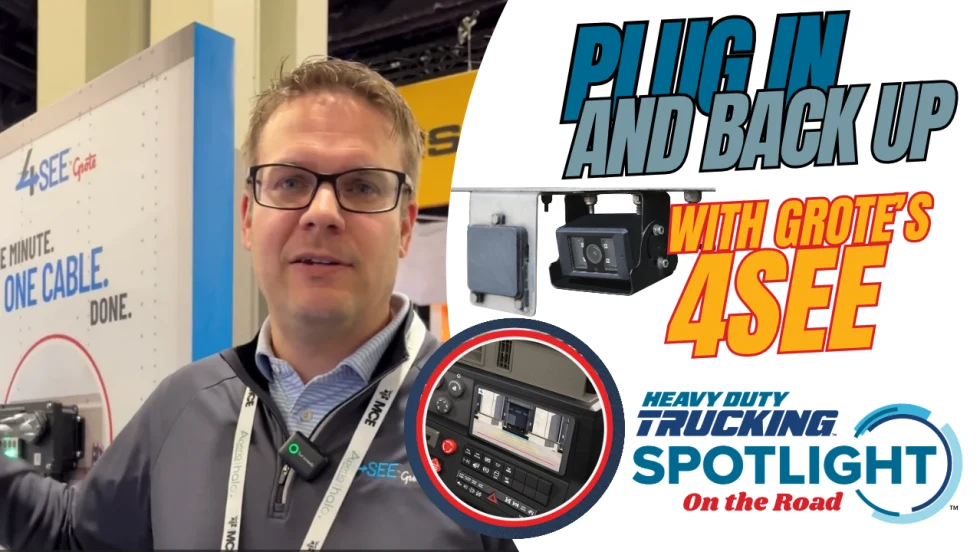
More Trailer Data Through the Same Seven-Way [Video]
Can trucking’s standard seven-way connector handle more cameras and trailer data? Grote’s Adam Slade shows HDT how the company is using new technology with its 4See trailer system, not only to add a new backup camera but also to expand other capabilities — without adding another connection.
Read More →
PrePass Intelligence Mines Fleet Bypass, Toll and Safety Data
PrePass Intelligence helps fleets measure bypass savings, flag potential toll overcharges, and spot suspicious transactions by combining data from separate systems.
Read More →
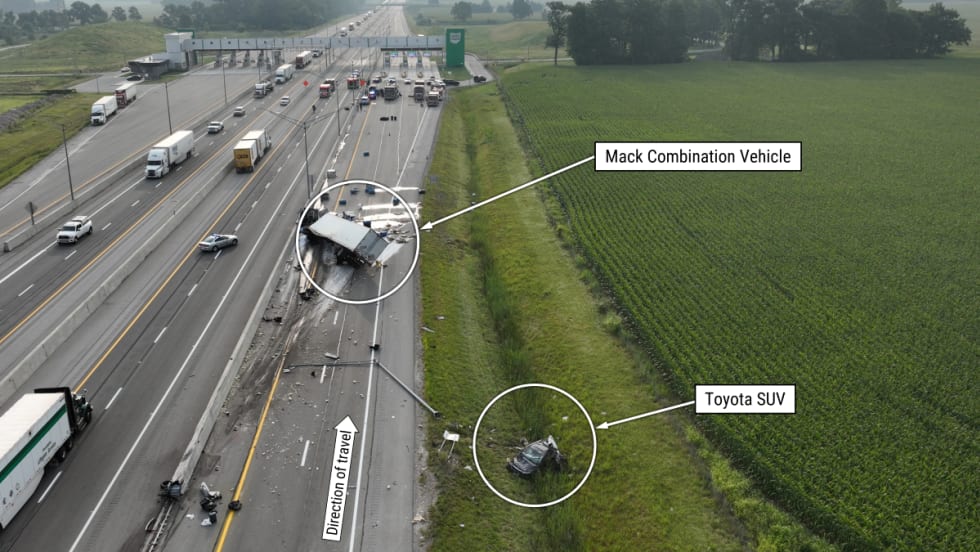
Fatal Crash Exposes Toll Plaza Risks
An NTSB investigation found that last-minute lane changes and large speed differences at an Ohio toll plaza created a hazard the truck driver couldn't avoid in time.
Read More →
When Language Stops the Truck: The Return of ELP Out-of-Service Orders
English language proficiency rules for commercial drivers aren’t new, but renewed out-of-service enforcement has raised the stakes. Here’s what carriers need to know before a driver reaches a roadside inspection.
Read More →
A Camera Isn't a Safety Program. Here's What Brokers Are Screening for Now
Footage alone may not be enough to pass broker vetting processes. Here's what counts as a defensible safety program now.
Read More →
Marijuana and Trucking’s Drug-Testing Dilemma
Marijuana is getting stronger, laws are changing, and drug tests still can’t reliably establish impairment. What does that mean for truck drivers and the fleets that employ them?
Read More →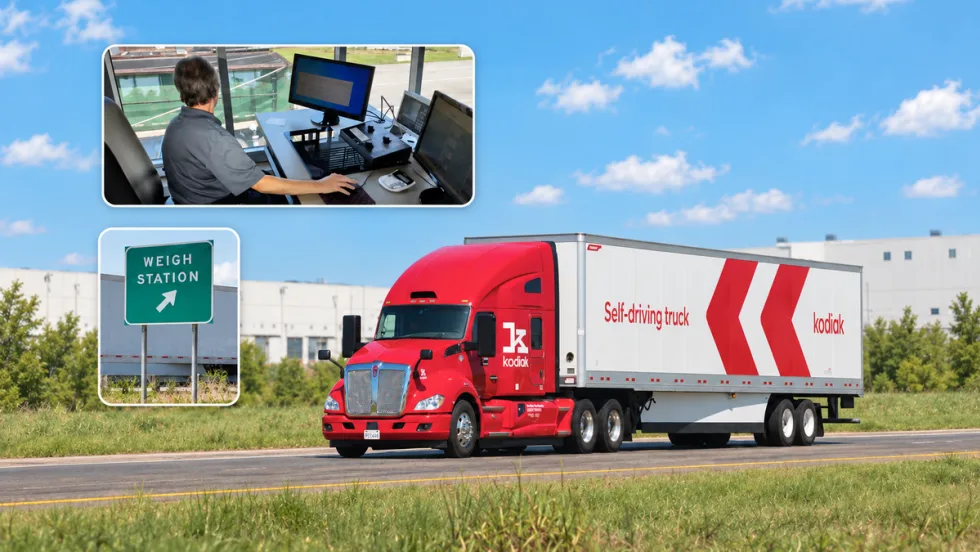
PrePass, Kodiak Connect Driverless Trucks to Roadside Enforcement
The system will allow enforcement agencies to verify Enhanced Inspection information and decide whether Kodiak’s autonomous trucks can bypass roadside screening sites.
Read More →
From One Generation to the Next: How Mentorship Builds Safer Truck Drivers
After three decades in trucking, Harold Perry shares what he's learned about driver safety, mentorship, and helping the next generation build confidence behind the wheel.
Read More →
FMCSA Pauses Biennial-Update Enforcement Amid Motus Transition
Carriers whose updates were due on or after June 1 have more time, while FMCSA works to stabilize its new registration system and warns of phishing sites impersonating its new carrier registration system, Motus.
Read More →