





Electric-Truck Adoption Connected to Charging Infrastructure Development
Electric Island to Showcase Electric Commercial Vehicle Charging
Electric Island will be a large public charging site for medium- and heavy-duty electric commercial vehicles, co-developed by Daimler Trucks North America and Portland General Electric. It's expected to be the first of its kind in the United States.
December 1, 2020

Electric Island is a new, technology showcase in Portland, OR, highlighting fast charging of electric commercial vehicles.
Photo: DTNA
2 min to read
Portland General Electric and Daimler Trucks North America are co-developing “Electric Island,” a large public charging site for medium- and heavy-duty electric commercial vehicles expected to be the first of its kind in the United States. Electric Island will help accelerate the development, testing and deployment of zero emissions (tank-to-wheel) commercial vehicles, according to the announcement.
The site is under construction near Daimler Trucks North America headquarters in Portland, Oregon, and is expected to be finished by spring of 2021. It is designed to support up to nine vehicle charging stations with charging levels of up to greater than one megawatt. Electric Island will provide DTNA, PGE, and the public the opportunity to charge light-, medium-, and heavy-duty vehicles. Plans for more chargers, on-site energy storage, solar power generation, and a product and technology showcase building are being finalized.
Electric Island aims to address the intersection of vehicles and the grid, creating new opportunities for future EV drivers and utility customers. Powered by DTNA’s enrollment in PGE’s Green Future Impact renewable energy program, the site will be greenhouse gas emissions-free, including all vehicle charging.
“In cooperation with PGE, and with the plan to expand electric vehicle charging right here in Portland to support not only our EV charging needs, but those of other drivers in the area, we are paving the way to a brighter, cleaner CO₂-neutral future," said Roger Nielsen, president and CEO of DTNA, in a release. "As the largest manufacturer of commercial vehicles, we can accelerate this shift and are excited to address, holistically, the complete EV ecosystem. Daimler Trucks has made Portland our home for the past 73 years, and having been born and raised in Oregon, I am incredibly proud to help make Swan Island an Electric Island.”
Maria Pope, president and CEO of PGE, said “Oregon's transportation future is electric. We are excited to launch this cutting-edge partnership with DTNA, demonstrating what is possible when utilities and the automotive industry collaborate and innovate."
Electric Island is designed to inform both DTNA’s work in commercial electric vehicle development and PGE’s work in meeting customer charging needs. The project will provide information on:
Use of vehicle chargers featuring power delivery of up to over one megawatt (over four times faster than today’s fastest light-duty vehicle chargers), enabling PGE and DTNA to develop best practices for cost-effective future deployments;
Integration of heavy-duty charging technology into PGE’s Smart Grid, such as vehicle-to-grid technologies, second-life use of Daimler’s battery packs, and onsite energy generation; and
Testing information technology opportunities such as fleet and energy management by captive solutions and services.
More Fuel Smarts
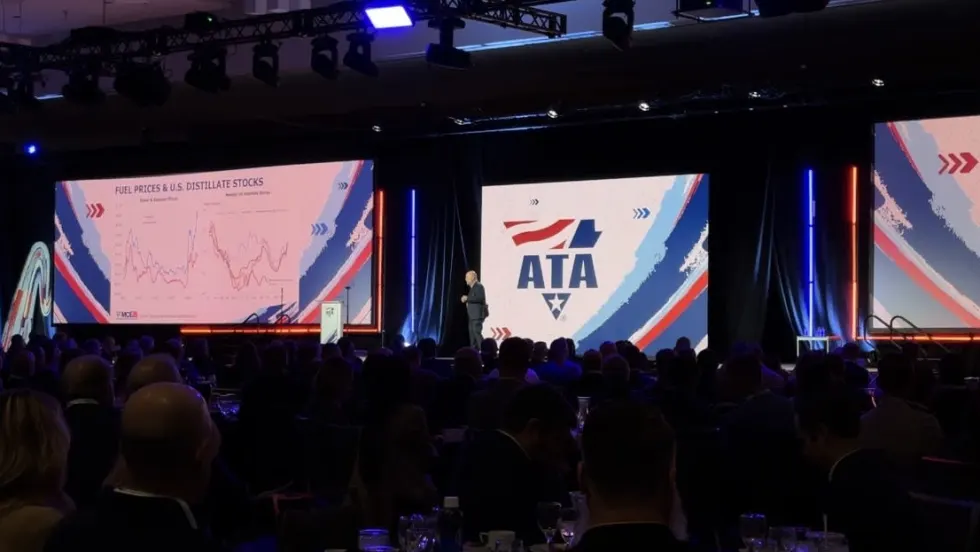
Trucking’s Diesel Squeeze Isn’t Letting Up
With diesel topping $6 a gallon nationally, ATA's Bob Costello explains why fleets should prepare for continued pressure at the pump.
Read More →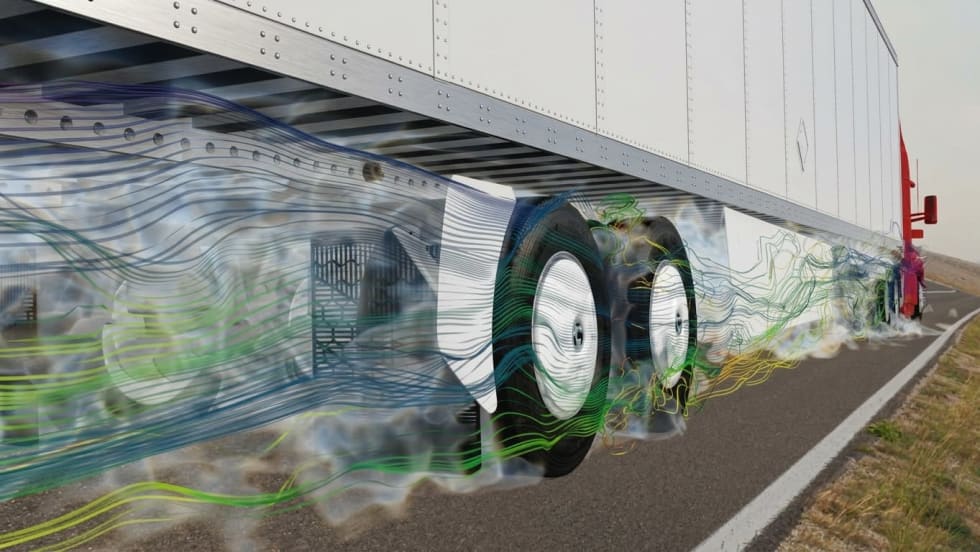
FlowBelow Redesigns Trailer AeroSlider to Cut Fuel Use
The lighter trailer aerodynamic system installs in less than 45 minutes, according to the company, with potential payback in under a year depending on fuel prices and trailer mileage.
Read More →
Why Diesel Price Relief Efforts May Fall Short
Diesel prices have eased from September’s record high, but doubts about additional Russian supply and limits on dyed-diesel tax relief mean trucking fleets still face expensive fuel. And prices could go higher.
Read More →
Why Small Fuel Savings Matter in Trucking
Can better fuel economy help pay for driver raises? In this podcast, GP Transco explains how small efficiency gains create room to reinvest in its people.
Read More →
How GP Transco Cuts Trucking Fuel Costs, a Tenth of a Gallon at a Time
What’s another tenth of a mile per gallon worth? GP Transco shares how equipment upgrades and driver coaching turn small gains into meaningful fuel savings.
Read More →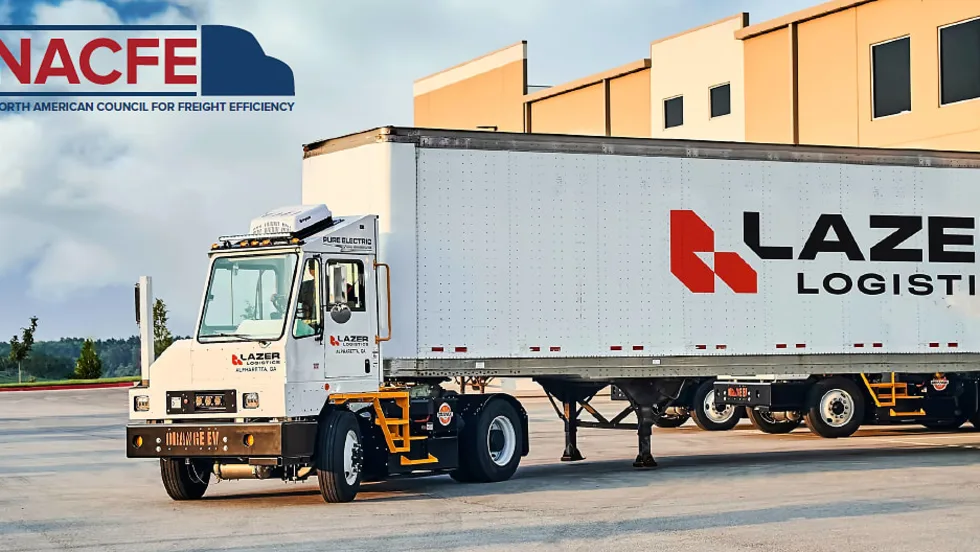
Electric Yard Tractors Move Beyond Pilots
Operating-cost savings have overtaken sustainability goals as the leading reason surveyed fleets are adopting battery-electric terminal tractors, according to new NACFE research.
Read More →
Geotab Links Fleet Card to Vehicle Data
The new card combines fuel discounts with telematics-based purchase controls. Geotab’s analysis also points to potential savings from choosing lower-priced fuel stops.
Read More →
Fleet Economics Shape Electric Truck Outlook
ACT Research expects costs, charging infrastructure, and technology improvements to drive zero-emission commercial vehicle adoption as federal regulations and incentives retreat.
Read More →
Wex Adds Cardless Fuel Payments for Over-the-Road Customers
A new fuel card feature for Wex customers offers convenience and security.
Read More →
New California Law Could Shed Light on Electric Truck Prices
Why do battery-electric Class 8 trucks remain so expensive? A California bill signed by Gov. Gavin Newsom would give fleets and state agencies more visibility into what manufacturers charge.
Read More →