





Related: 2020 Fact Book: COVID-19 [Photos]
Survey: Fleets Quickly Adapted to COVID-19
According to a recent Fleet Advantage industry survey, companies were able to modify and scale their truck operations in response to the COVID-19 pandemic.
October 29, 2020
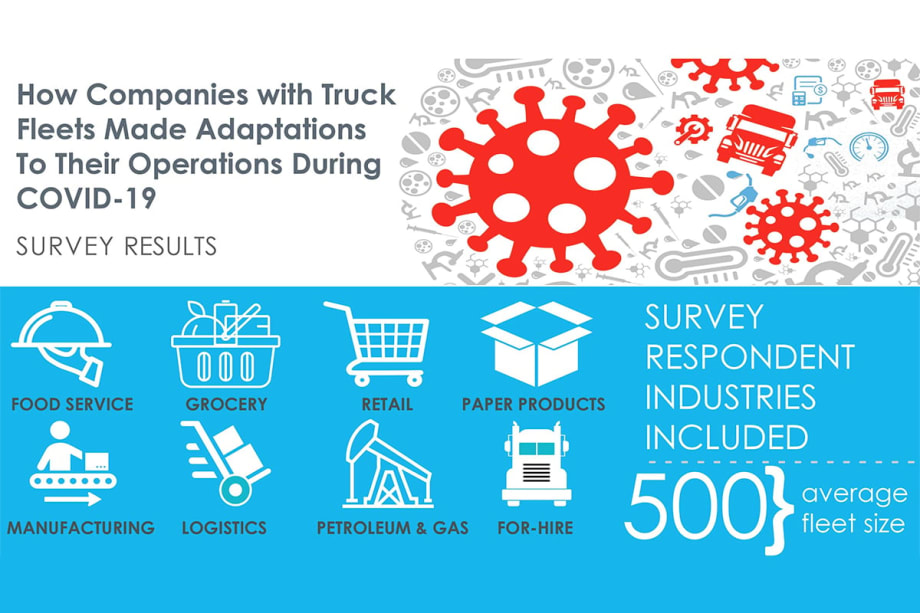
Image: Fleet Advantage
1 min to read
According to a recent Fleet Advantage industry survey, companies were able to modify and scale their truck operations in response to the COVID-19 pandemic.
The online survey, which was executed during August, found that 36% of the companies had to change routes for as many as 40% of the trucks in their fleets, and 25% have had to change what their trucks are primarily hauling. The shift was mostly a result of the number of restaurant closings across the country, with fleets shifting their routes to handle the increased demand for grocery items and retail/merchandise delivery.
“This year has proved challenging for various organizations, their employees and families as they’ve had to navigate through rapid business adaptations as well as health and safety challenges,” said Katerina Jones, senior director of marketing and business development.
The survey also showed that approximately 50% of respondents used less than 30% of the typical miles accumulated in routes when the pandemic hit, with about four of every 10 fleets operating at 80% of normal utilization. This, as well as COVID’s effect on the economy, caused 27% of companies to downsize their fleets.
Aside from volume fluctuations and overall economic uncertainty, 33% of fleet executives responded that driver-related issues, such health concerns, staffing, and morale, were an immediate priority for them.
More Fleet Management
For Nicky Cupp, Fleet Innovation Starts With Frustration
HDT Truck Fleet Innovator Nicky Cupp turns everyday pain points at Fraley & Schilling into opportunities for better technology and smarter processes.
Read More →
Adam Buttgenbach’s Approach to Electric Trucks: Start With Where They Fit
HDT Truck Fleet Innovator Adam Buttgenbach helped PepsiCo build one of North America’s largest EV fleets by focusing on where electric trucks make operational sense.
Read More →
Deen Albert: Let Automation Do the Math, People Make the Decisions
HDT Truck Fleet Innovator Deen Albert makes sure people are still at the heart of operations at Grand Island Express, even while adopting artificial intelligence tools. AI-assisted dispatch helped boost revenue 25% with the same number of trucks.
Read More →
Trimble’s New AI Agent Takes Aim at Fleet Back-Office Busywork
Arc Agent works across Trimble TMS products to automate repetitive tasks such as freight orders, maintenance, invoices, fuel costs and more.
Read More →
How HDT’s 2026 Truck Fleet Innovators Are Rethinking Fleet Operations
Meet five trucking leaders who are challenging assumptions, solving operational problems, and putting innovative ideas to work.
Read More →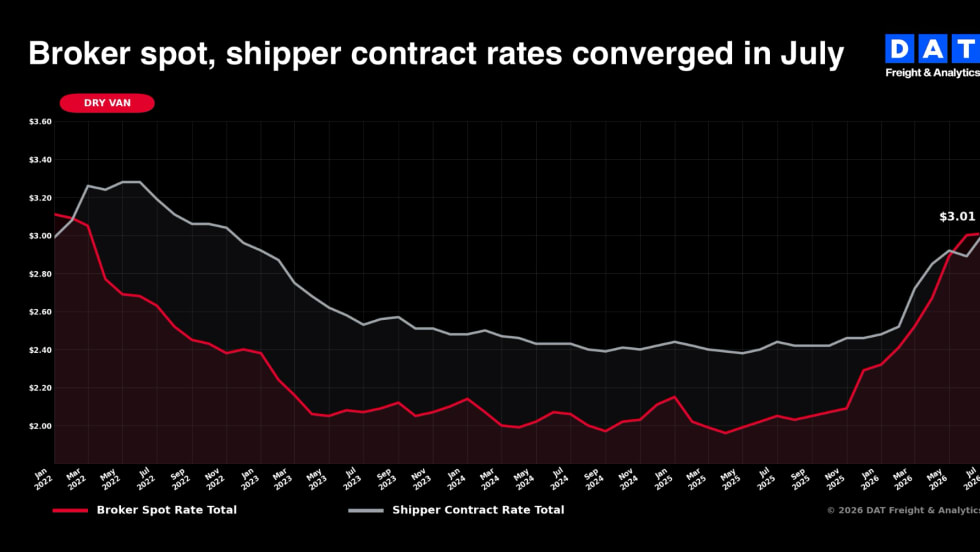
Tight Trucking Capacity Pushes Rates Higher Even as Freight Volumes Fall
“Spot rates moving ahead of contract rates have historically signaled a tightening market, but we haven’t seen a capacity-driven market quite like this one,” said DAT's Dean Croke.
Read More →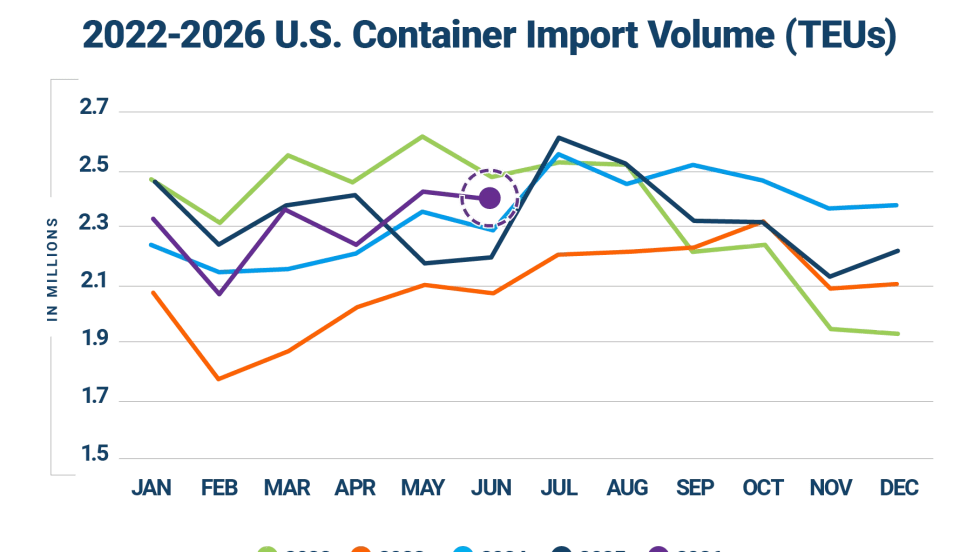
Import Cargo’s Early Peak Season is Winding Down
There was an early start to peak season this year at the nation's gateway ports, as retailers brought in merchandise ahead of tariff changes in late July and responded to other supply chain uncertainties,
Read More →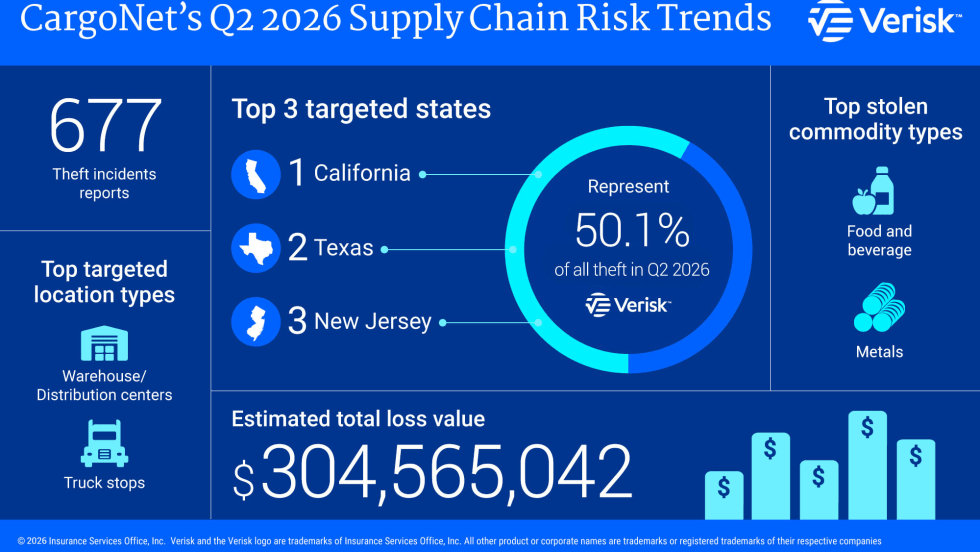
Fewer Cargo Thefts, Bigger Losses: Criminals Target Higher-Value Loads
CargoNet says organized theft rings are stealing fewer shipments but choosing more valuable freight, including metals and technology, resulting in record losses.
Read More →
How Innovative Trucking Leaders Turn Change Into an Advantage
As the pace of change accelerates in trucking, the fleets that adapt best have more than the latest technology. They have cultures that embrace improvement.
Read More →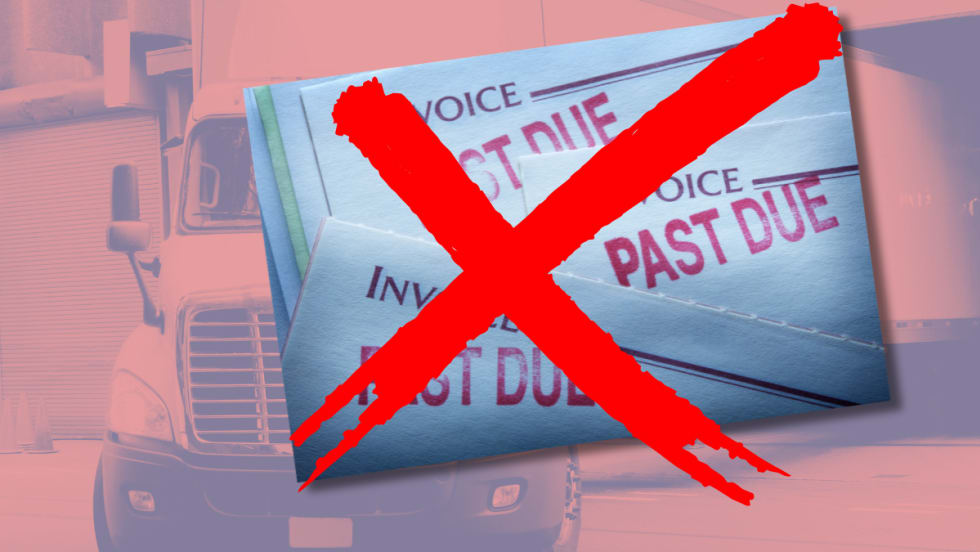
Freight Broker Bonds Just Got Harder to Get. Here's What That Means for Your Fleet.
When it gets harder for a freight broker to prove they are financially sound, the ones who cannot clear that bar get pushed out of the market. And those are exactly the brokers who used to leave motor carriers holding the bag.
Read More →