




Nissan Dropping Commercial Vans
Nissan will end production of its NV Cargo, Passenger and NV200 vans in the summer of 2021, and concentrate on a new Nissan Business Advantage program for commercial vehicle customers.

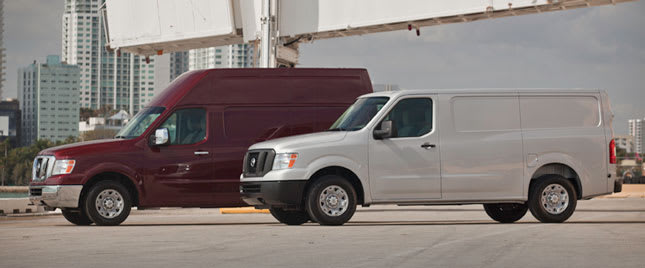
Nissan is dropping production of its commercial vans.
Photo: HDT file photo (2011)
Nissan will end production of its NV Cargo, Passenger and NV200 vans in the summer of 2021, and concentrate on a new Nissan Business Advantage program for commercial vehicle customers.
The move is part of Nissan's revamping of its commercial vehicle business strategy. Its new “Nissan Business Advantage” initiative will focus on providing a one-stop-shop suite of solutions for customers and bring support to its core product lineup, of which the cargo vans are not a part.
Sales of Nissan vans in the U.S., through established Business Certified Dealers (for NV Cargo and Passenger), will continue through calendar year 2021, or until supply is exhausted.
According to Carscoops.com, Nissan sold 18,768 NV200s in the United States last year, and Chevrolet stopped selling its rebadged NV200 – known as the City Express – in 2018. Sales of the larger NV Cargo and NV Passenger van sales were 20,022 in the United States last year. For comparison, Ford sold 153,867 Transits and Chevrolet moved 77,457 units of the Express.
“We're also aligning with our product portfolio,” said Jennifer Moser, director, fleet sales and residual value for Nissan North America. “For example, we have invested heavily in our sedans and small sedans form a strategic standpoint when many of our competitors are walking away from the segment.”
Introduced in 2011, the Nissan NV van was aimed at the high-volume segment dominated by Ford's E-series vans. Other competitors were General Motors' G vans and the Mercedes-made Sprinter van. The NV200 compact van was added to the lineup in 2013, designed to be the “right size” for a growing number of small business owners and fleet operators wanting smaller, more efficient work trucks.
More Equipment
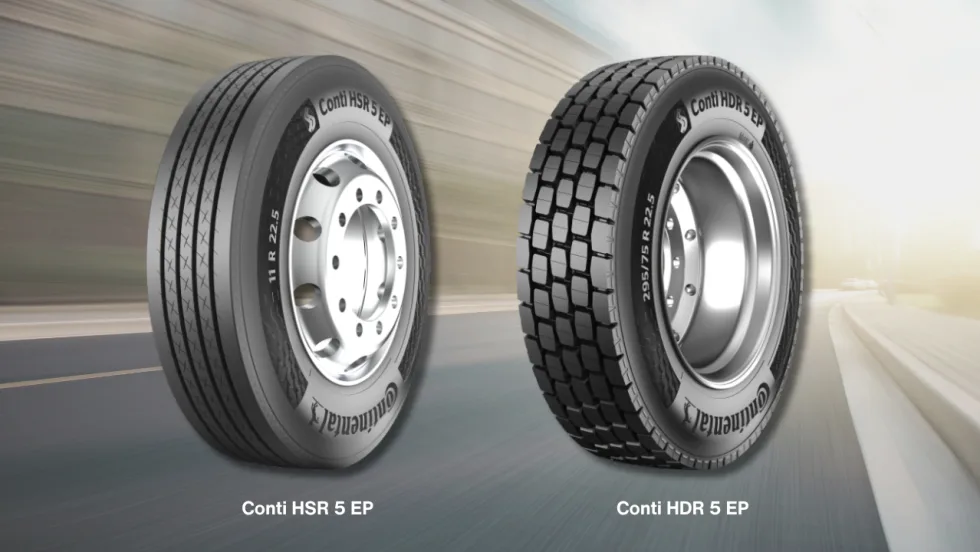
Continental Introduces New Regional Truck Tires
Continental says its new Generation 5 steer and drive tires for regional operations offer longer tread life, with estimated mileage gains of 22% and 19%, respectively.
Read More →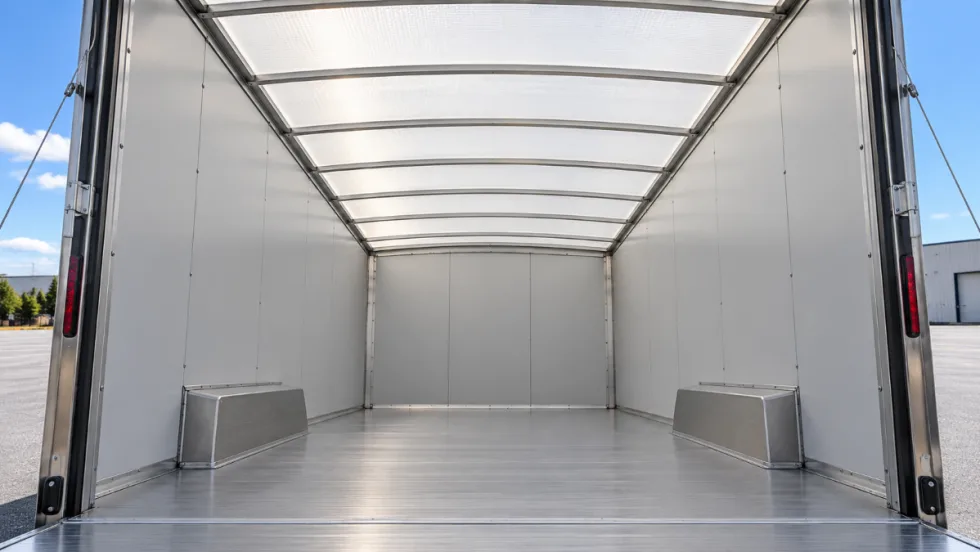
Tekmodo Introduces CargoBright Brand for Translucent Trailer Roofs
CargoBright is designed to diffuse daylight across the cargo area while performing as a working vehicle roof.
Read More →
Fleet Economics Shape Electric Truck Outlook
ACT Research expects costs, charging infrastructure, and technology improvements to drive zero-emission commercial vehicle adoption as federal regulations and incentives retreat.
Read More →
Kodiak Targets Dallas–Houston for Driverless Trucks
The company says its autonomous trucks are completing the I-45 run without a safety observer taking control. It plans to remove the observer by the end of 2026.
Read More →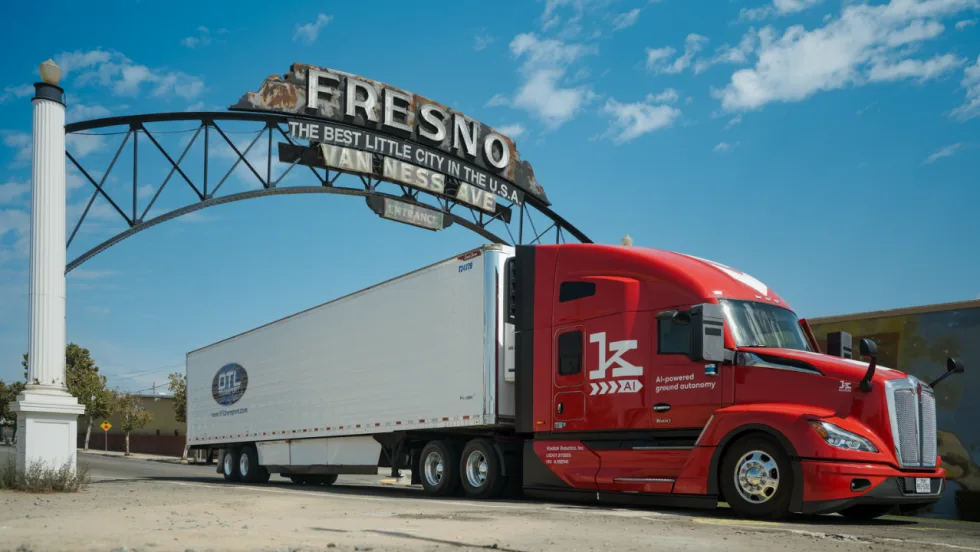
Kodiak Hauls Produce in California Autonomous Truck Pilot
Kodiak AI and DTL Transport have begun hauling produce between Fresno and Los Angeles under California’s new rules for testing heavy-duty autonomous trucks. A safety driver remains behind the wheel.
Read More →
Used-Truck Remarketing Math Is Changing
Used-truck value is no longer just a concern at trade-in. Decisions made throughout a truck’s first life can influence what it’s worth years later.
Read More →
How Volvo Updated Its D13 for EPA 2027 [Watch]
Volvo’s updated D13 promises lower emissions without sacrificing performance or fuel economy. Take a closer look at what changed inside the engine in this HDT Spotlight video.
Read More →
Michelin Tire Improves Efficiency and Durability for Regional Fleets
The Michelin X Multi Energy D2 is a regional haul drive tire engineered to help fleets improve fuel efficiency, durability and traction in demanding stop-and-go operations.
Read More →
ZF Expands Commercial Vehicle Push in North America
ZF is expanding its North American commercial-vehicle presence with new transmission applications, electrification, trailer technology and autonomous-driving systems.
Read More →
Tesla Wants a Self-Driving Semi. Are Cameras Enough?
Could Tesla’s camera-only autonomous driving technology work on an 80,000-pound Semi? In this commentary, HDT's Deborah Lockridge takes a look at Tesla, Cybercab, and how autonomous trucks see the road.
Read More →