




Long-Overdue National Freight Strategic Plan Addresses Topics from Drones to Data
The Department of Transportation has released the first National Freight Strategic Plan, first called for by Congress back in 2012, laying out a vision for long-term investments in infrastructure, the workforce, and other essential parts of the freight system.


The Department of Transportation has released the first National Freight Strategic Plan, first called for by Congress back in 2012, laying out a vision for long-term investments in infrastructure, the workforce, and other essential parts of the freight system.
Every day, America’s transportation network moves more than 51 million tons of freight and energy products valued at nearly $52 billion via highways, railways, ports and inland waterways, pipelines, and airports, noted the DOT in announcing the plan.
“The growth in freight demand due to increasing use of e-commerce and global supply chains in recent years has strained our freight system, and could threaten the competitive advantage of American businesses. As these supply chains continue to spread across the world, America’s ability to compete could be limited by inadequate infrastructure and a lack of preparation for incorporating innovative technologies.”
The report identified a number of key trends:
Growing population and economy
Diversifying global supply chains
Rising domestic fuel production
Changing urban-rural dynamics
Increasing e-commerce
Advancing technology
Evolving workforce
Some of the key issues the report identified include truck safety, truck parking, grade crossing safety, hazardous materials, bottlenecks, congestion, resilience to disruption, data and information barriers, statutory and regulatory barriers, and the condition of highways, bridges, and inland waterways.
According to the executive summary, the NFPS supports the DOT’s strategic goals of safety, infrastructure, and innovation.
Safety
The goal is to “improve the safety, security, and resilience of the national freight system.” Strategic objectives outlined are:
Support the development and adoption of automation, connectivity, and other freight safety technologies
Modernize safety oversight and security procedures, including identifying and removing unnecessary regulations that are barriers to safe and efficient freight movement
Minimize the effects of fatigue and human error on freight safety
Reduce conflicts between passenger and freight traffic
Protect the freight system from natural and human-caused disasters and improve system resilience and recovery speed, including addressing cyberattacks.
Infrastructure
The goal is to “modernize freight infrastructure and operations to grow the economy, increase competitiveness, and improve quality of life.” Strategic objectives:
Fund targeted investments in freight capacity and national goals
Improve consideration of freight in transportation planning
Prioritize projects that improve freight intermodal connectivity, and enhance freight flows on first- and last-mile connectors and at major trade gateways
Develop a methodology for identifying freight bottlenecks across modes
Advance freight system management and operation practices
Stimulate job growth and economic competitiveness in rural and urban communities
Mitigate the impacts of freight movement on communities
Innovation
The goal: “Prepare for the future by supporting the development of data, technologies, and workforce capabilities that improve freight system performance.” Strategic objectives:
Support the development and adoption of automation and connectivity, including vehicle-to-infrastructure (V2X) technologies
Support the safe deployment of unmanned aircraft systems technology – commonly known as drones
Streamline or eliminate regulations to improve governance, efficiency, and economic competitiveness
Improve freight data, modeling, and analytical tools and resources
Strengthen workforce professional capacity
Invest in freight research
Support regulatory frameworks that foster freight innovation
According to the DOT, the NFSP “provides a clear path to improve the safety, security, and resilience of the national freight system. It also details how we can modernize freight infrastructure and operations to grow the economy and increase competitiveness. Additionally, the NFSP lays out a plan to prepare for the future by supporting the development of data, technologies, and workforce capabilities that improve freight system performance.”
The Importance of Data
Improving the use of data is a key part of the DOT’s strategy, and the report outlines a number of near-term strategies. A sampling:
Expand the use of truck probe data and weigh-in-motion systems to understand sources of truck delay and the effects of truck traffic on highway and bridge infrastructure
Continue to develop standardized methods and tools for measuring freight congestion and identifying freight bottlenecks
Produce a research and data plan to advance the state-of-practice and knowledge informing commercial motor vehicle size and weight policy
Among medium- to long-term strategies (four-plus years):
Explore the use of crowdsourced freight data to track freight system performance and assess freight system needs in areas such as truck parking
Collect and share comparable data on shipping costs throughout the supply chain for different commodities and geographies
Develop and release an updated NFSP
A Long Time Coming
The NSFP has been in the works since Congress directed the DOT to develop one in the 2012 MAPS-21 highway bill. Moving Ahead for Progress in the 21st Century, or MAP-21, signed by President Obama in July 2012, established a national freight policy and called for the creation of a National Freight Strategic Plan.
In 2013, an advisory committee was formed to work on the plan, and in July 2014, the committee made 81 recommendations to improve the performance of the nation’s freight transportation system.
The following highway spending reauthorization, known as the FAST Act, again called for the plan, and a draft of the plan was put out for comment by DOT in early 2016. Then in December 2019, the DOT published a notice in the Federal Register asking for a fresh round of input.
To learn more about the NFSP, visit transportation.gov/freight/NFSP.
More Fleet Management

What the U.S.-Canada Trade War Means for Trucking
Escalating U.S.-Canada tariffs could disrupt cross-border freight, reduce truck volumes, raise costs, and create new uncertainty for carriers on both sides of the border.
Read More →
What Are Trucking’s Top Concerns for 2026?
The American Transportation Research Institute wants to know what's worrying trucking fleet managers, drivers, and other stakeholders in its annual Industry Issues survey.
Read More →
American Trucking Associations Looks for a New Leader
ATA President and CEO Chris Spear abruptly left his job at the association on August 21, at a pivotal time for the trucking industry.
Read More →
Public Wi-Fi Cybersecurity Risks: How Truck Drivers and Fleets Can Protect Their Data
Public Wi-Fi can expose truck drivers and fleets to credential theft, malware, and other cyber threats. Here’s how to reduce the risk on the road.
Read More →
For Nicky Cupp, Fleet Innovation Starts With Frustration
HDT Truck Fleet Innovator Nicky Cupp turns everyday pain points at Fraley & Schilling into opportunities for better technology and smarter processes.
Read More →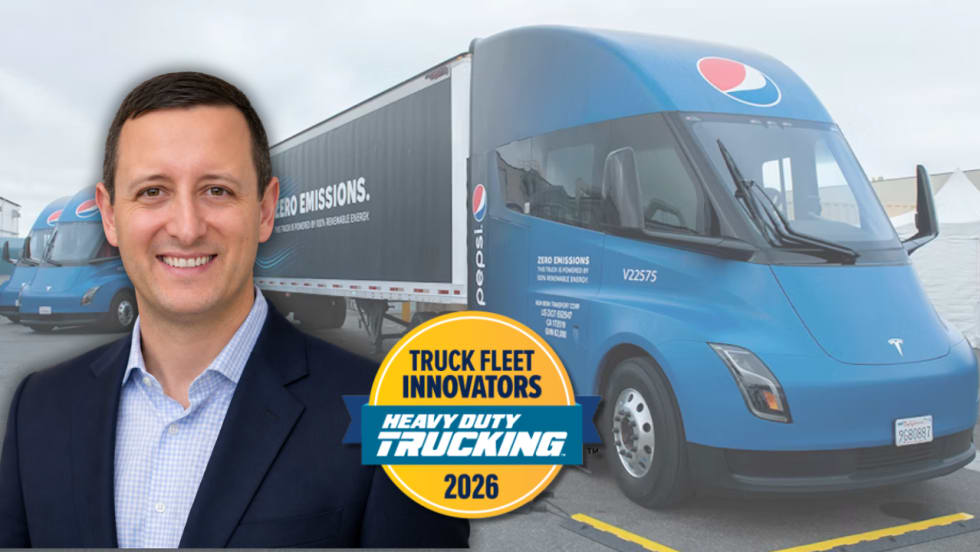
Adam Buttgenbach’s Approach to Electric Trucks: Start With Where They Fit
HDT Truck Fleet Innovator Adam Buttgenbach helped PepsiCo build one of North America’s largest EV fleets by focusing on where electric trucks make operational sense.
Read More →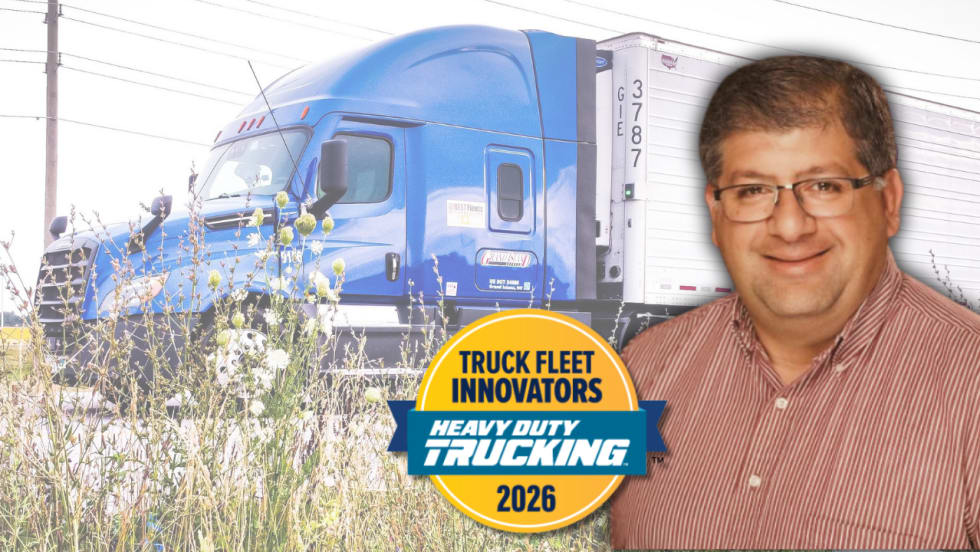
Deen Albert: Let Automation Do the Math, People Make the Decisions
HDT Truck Fleet Innovator Deen Albert makes sure people are still at the heart of operations at Grand Island Express, even while adopting artificial intelligence tools. AI-assisted dispatch helped boost revenue 25% with the same number of trucks.
Read More →
Trimble’s New AI Agent Takes Aim at Fleet Back-Office Busywork
Arc Agent works across Trimble TMS products to automate repetitive tasks such as freight orders, maintenance, invoices, fuel costs and more.
Read More →
How HDT’s 2026 Truck Fleet Innovators Are Rethinking Fleet Operations
Meet five trucking leaders who are challenging assumptions, solving operational problems, and putting innovative ideas to work.
Read More →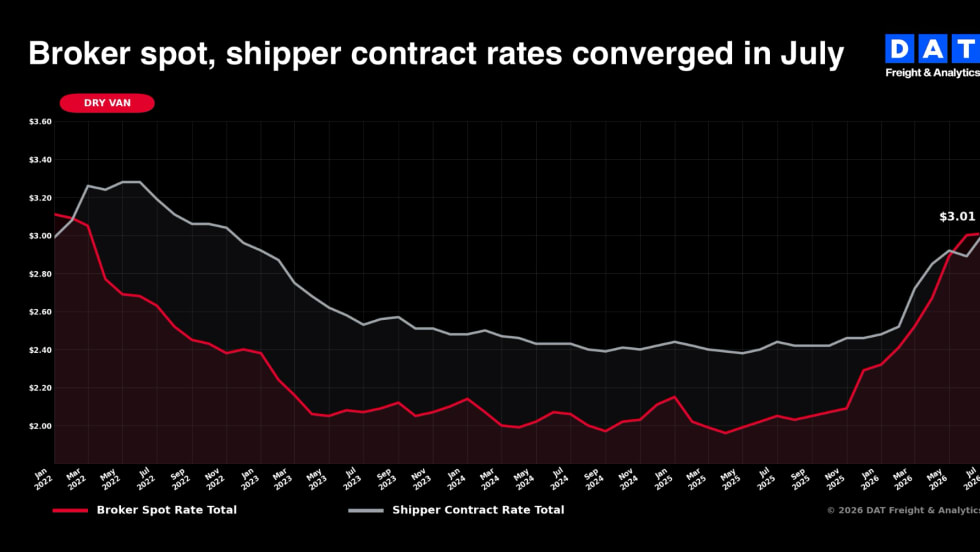
Tight Trucking Capacity Pushes Rates Higher Even as Freight Volumes Fall
“Spot rates moving ahead of contract rates have historically signaled a tightening market, but we haven’t seen a capacity-driven market quite like this one,” said DAT's Dean Croke.
Read More →