





Related – Hours of Service Timeline: The Long, Convoluted History of Truck Driver Rules
Pilot Program Would Test 3-Hour 'Pause' of Driving Clock
The Federal Motor Carrier Safety Administration is asking for public comment on a pilot program to study the one part of the hours-of-service proposal that didn’t make it into the final rule: allowing drivers to pause their on-duty driving period with one off-duty period up to three hours.
August 28, 2020

A proposed pilot program would study additional flexibility for drivers to pause their 14-hour workday.
Photo: Jim Park
3 min to read
The Federal Motor Carrier Safety Administration is asking for public comment on a pilot program to study the one part of the hours-of-service proposal that didn’t make it into the final rule: allowing drivers to pause their on-duty driving period with one off-duty period up to three hours.
“Truckers are American heroes. They keep our supply chain moving; they carry essential goods we need to maintain our daily lives,” said Transportation Secretary Elaine Chao. “The department is seeking public comments on providing additional flexibility for truckers as they work to serve our country during this public health crisis."
The pilot program would allow drivers one off-duty break of at least 30 minutes, but not more than three hours, which would pause a truck driver's 14-hour driving window, provided the driver takes 10 consecutive hours off-duty at the end of the work shift. This would allow, for instance, drivers to take up to a three-hour break to wait out rush hour, without it affecting their maximum on-duty time.
This rule change was initially proposed in the FMCSA’s Notice of Proposed Rulemaking in August 2019. It did not make it into the final rule, announced in May and going into effect Sept. 29.
When the final rule was published, asked why this provision was omitted from the final rule, Acting Administrator Jim Mullen explained that, “the split sleeper berth provides essentially the equivalent, if not more flexibility, in that regard.” So if a driver wanted to take up to a three-hour break to wait out rush hour, for instance, he or she could take that as split sleeper berth time.
In the final rule, the agency cited concerns raised by commenters that drivers might be “pressured by carriers, shippers, or receivers to use the break to cover detention time, which would not necessarily provide the driver an optimal environment for restorative rest,” noted the trucking attorneys at Scopelitis, Garvin, Light, Hanson & Feary.
Participation in this pilot program would be limited to a certain number of commercial driver’s license holders who meet the criteria specified for participating. This pilot program, scheduled to operate for three years or less, “would gather statistically reliable evidence to analyze the safety and feasibility of such a modification to the hours-of-service rules,” according to the announcement from FMSA.
“FMCSA wants to hear directly from drivers about the possibility and safety of an hours-of-service pause pilot program,” Mullen said in the announcement of the pilot program. “The agency remains committed to exploring ways to improve safety on our roadways, while increasing flexibility for truckers.”
To comment, once the notice is published in the Federal Register, go to https://www.regulations.gov/ and search for Docket No. FMCSA-2020-0098. Comments must be received within 60 days after publication of the notice. The implementation date of the pilot program would be announced in subsequent Federal Register notices.
More Safety & Compliance
More Trailer Data Through the Same Seven-Way [Video]
Can trucking’s standard seven-way connector handle more cameras and trailer data? Grote’s Adam Slade shows HDT how the company is using new technology with its 4See trailer system, not only to add a new backup camera but also to expand other capabilities — without adding another connection.
Read More →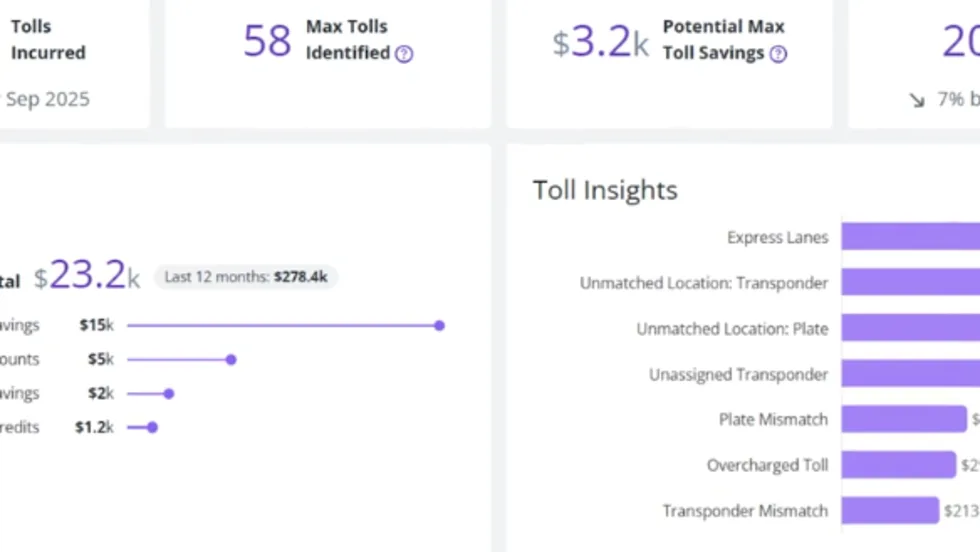
PrePass Intelligence Mines Fleet Bypass, Toll and Safety Data
PrePass Intelligence helps fleets measure bypass savings, flag potential toll overcharges, and spot suspicious transactions by combining data from separate systems.
Read More →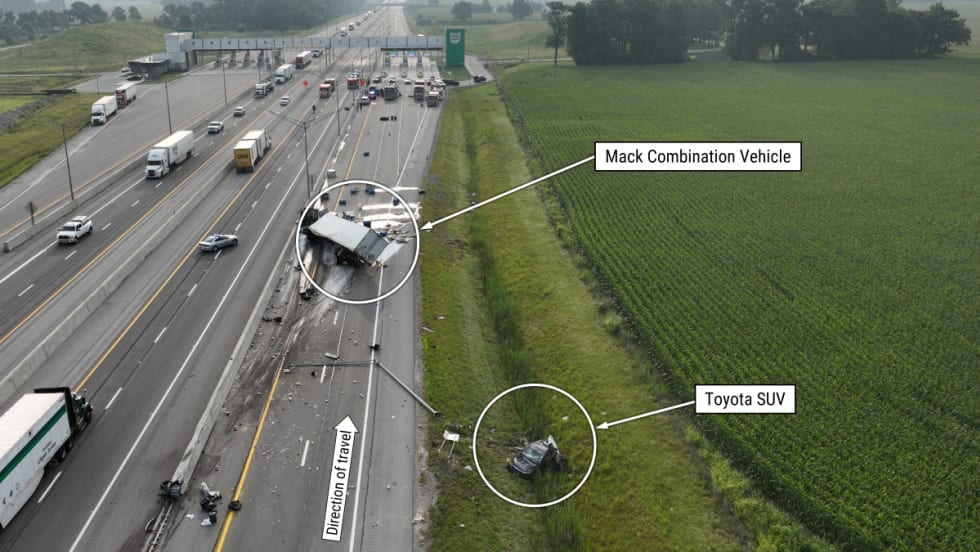
Fatal Crash Exposes Toll Plaza Risks
An NTSB investigation found that last-minute lane changes and large speed differences at an Ohio toll plaza created a hazard the truck driver couldn't avoid in time.
Read More →

When Language Stops the Truck: The Return of ELP Out-of-Service Orders
English language proficiency rules for commercial drivers aren’t new, but renewed out-of-service enforcement has raised the stakes. Here’s what carriers need to know before a driver reaches a roadside inspection.
Read More →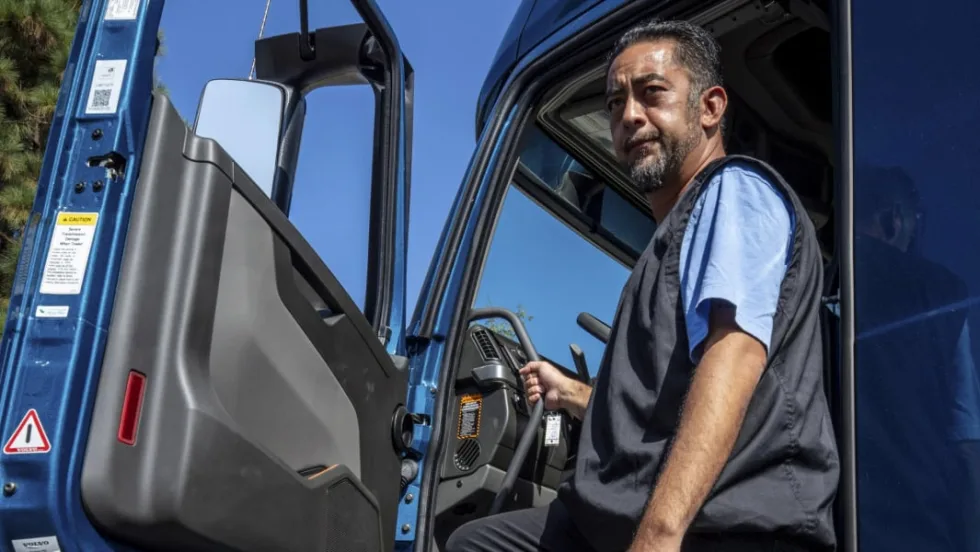
Sponsored•October 6, 2026
A Camera Isn't a Safety Program. Here's What Brokers Are Screening for Now
Footage alone may not be enough to pass broker vetting processes. Here's what counts as a defensible safety program now.
Read More →
Marijuana and Trucking’s Drug-Testing Dilemma
Marijuana is getting stronger, laws are changing, and drug tests still can’t reliably establish impairment. What does that mean for truck drivers and the fleets that employ them?
Read More →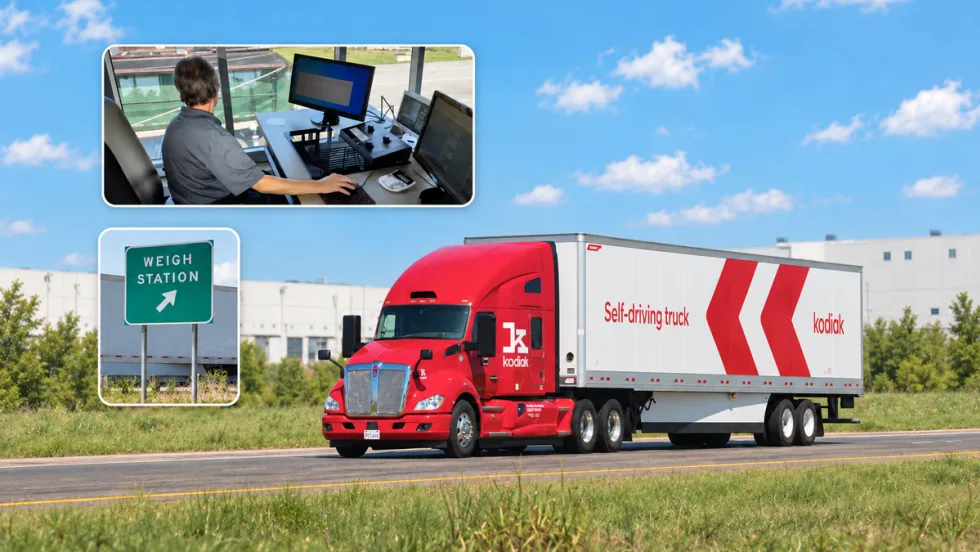
PrePass, Kodiak Connect Driverless Trucks to Roadside Enforcement
The system will allow enforcement agencies to verify Enhanced Inspection information and decide whether Kodiak’s autonomous trucks can bypass roadside screening sites.
Read More →
From One Generation to the Next: How Mentorship Builds Safer Truck Drivers
After three decades in trucking, Harold Perry shares what he's learned about driver safety, mentorship, and helping the next generation build confidence behind the wheel.
Read More →
FMCSA Pauses Biennial-Update Enforcement Amid Motus Transition
Carriers whose updates were due on or after June 1 have more time, while FMCSA works to stabilize its new registration system and warns of phishing sites impersonating its new carrier registration system, Motus.
Read More →
ZF Expands Commercial Vehicle Push in North America
ZF is expanding its North American commercial-vehicle presence with new transmission applications, electrification, trailer technology and autonomous-driving systems.
Read More →