





Related: New Study to Examine EV Charging Stations Along I-5 Corridor
EV Study: Phase in Charging Sites Along I-5
Results of a study by electric utilities in Washington, Oregon, and California call for the installation of charging sites along the I-5 for medium- and heavy-duty electric trucks to reduce pollution caused by freight transport along the Pacific Coast.
June 22, 2020
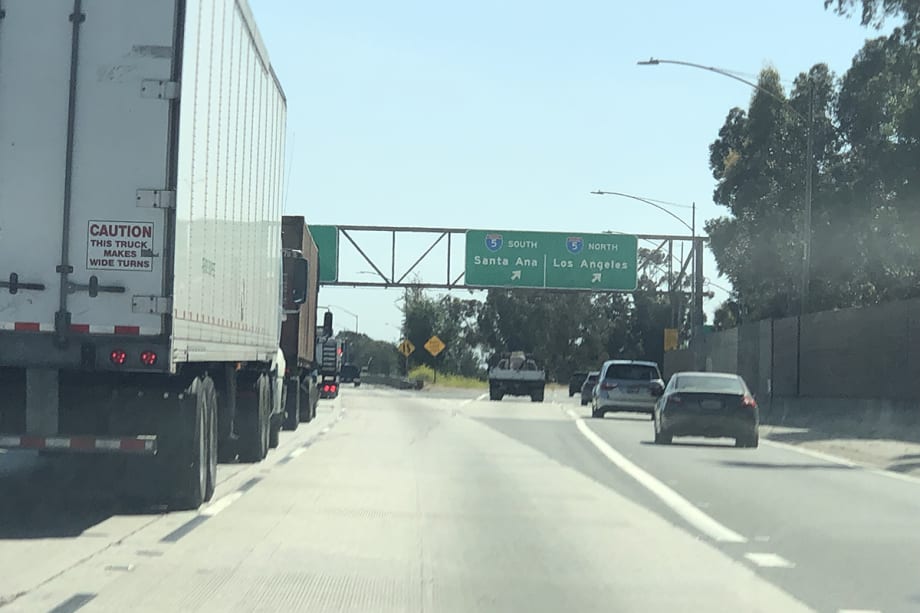
The I-5 could see a number of electric vehicle charging stations built in the next few years, reducing pollution and creating new jobs, according to West Coast Clean Transit.
Photo: West Coast Clean Transit
2 min to read
Results of a study by electric utilities in Washington, Oregon, and California call for the installation of charging sites along the I-5 for medium- and heavy-duty electric trucks to reduce pollution caused by freight transport along the Pacific Coast.
The West Coast Clean Transit Corridor Initiative study, which was commissioned was by a collaboration of nine electric utilities and two agencies representing more than two dozen municipal utilities, recommends adding electric vehicle charging for freight haulers and delivery trucks at 50-mile intervals along Interstate 5 and adjoining highways.
“This study comes at a time when we believe major investment in electric vehicle charging infrastructure will help significantly with economic recovery from COVID-19 in our states,” said Katie Sloan, director of e-mobility and building electrification for Southern California Edison, one of the study’s sponsors.
Other sponsors include Los Angeles Department of Water & Power, Northern California Power Agency, Pacific Gas and Electric Company, Pacific Power, Portland General Electric, Puget Sound Energy, Sacramento Municipal Utility District, San Diego Gas & Electric, Seattle City Light, and Southern California Public Power Authority.
The report proposes a phased approach for electrifying the I-5 corridor:
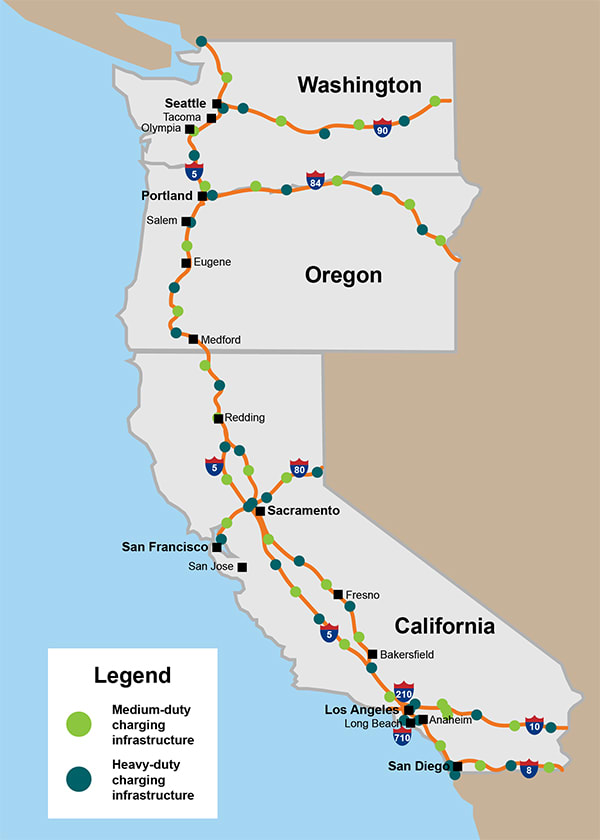
Install 27 charging sites along I-5 at 50-mile intervals for medium-duty electric vehicles by 2025.
Expand 14 of the 27 charging sites to also accommodate charging for electric Class 7 and 8 trucks by 2030.
Of the 27 proposed sites, 16 are in California, five are in Oregon, and six are in Washington. An additional 41 sites on other highways that connect to I-5 are also being proposed for electrification.
Source: West Coast Clean Transit
“By supplying our customers with clean electricity as a transportation fuel, we can support our customers’ desire for lower carbon electricity and transportation fuel options, reduce air emissions and improve community health outcomes while helping Washington state accelerate its efforts to meet stronger environmental goals,” said Will Einstein, PSE’s director of new product development.
The report also recommends expanding state, federal, or private programs that provide funding for electrification. Read the full report here.
More Fuel Smarts

Geotab Links Fleet Card to Vehicle Data
The new card combines fuel discounts with telematics-based purchase controls. Geotab’s analysis also points to potential savings from choosing lower-priced fuel stops.
Read More →
Fleet Economics Shape Electric Truck Outlook
ACT Research expects costs, charging infrastructure, and technology improvements to drive zero-emission commercial vehicle adoption as federal regulations and incentives retreat.
Read More →
Wex Adds Cardless Fuel Payments for Over-the-Road Customers
A new fuel card feature for Wex customers offers convenience and security.
Read More →

New California Law Could Shed Light on Electric Truck Prices
Why do battery-electric Class 8 trucks remain so expensive? A California bill signed by Gov. Gavin Newsom would give fleets and state agencies more visibility into what manufacturers charge.
Read More →
How Volvo Updated Its D13 for EPA 2027 [Watch]
Volvo’s updated D13 promises lower emissions without sacrificing performance or fuel economy. Take a closer look at what changed inside the engine in this HDT Spotlight video.
Read More →
Diesel Price Spike Shortens Payback for Natural Gas Trucks, Report Says
Energy Vision estimates fleets could recover the higher purchase price of an RNG-fueled Class 8 tractor in 1.3 to 2.8 years under current fuel-price scenarios.
Read More →
Calstart Becomes Catalyst Mobility, Reflecting Broader Focus
Calstart is now Catalyst Mobility, reflecting the nonprofit’s growing national role in clean transportation, including zero-emission trucks, infrastructure and incentive programs.
Read More →
Record Diesel Prices Squeeze Trucking Fleets
Average U.S. diesel prices have climbed to nearly $6 a gallon, surpassing the 2022 record as tight refinery capacity and Middle East disruptions keep fuel costs elevated.
Read More →
Sponsored•September 9, 2026
How Fuel Delivery Shapes Engine Performance
Fuel delivery depends on more than what happens at the injector. For fleet, maintenance and technical professionals, looking at the full path from pump to injector can provide useful context for understanding engine performance.
Read More →
East Coast Port Launches $45M Electric Truck Push
The Port Authority of New York and New Jersey announced millions in incentives for zero-emission drayage trucks, yard tractors, and new charging hubs near the port.
Read More →