


 MENU
MENU SEARCHMENUSEARCH
Loading data...
Proponents of hair-testing for federally required drug screenings have had another setback with the denial of a petition to the Federal Motor Carrier Safety Administration.... Or have they?
Read More →
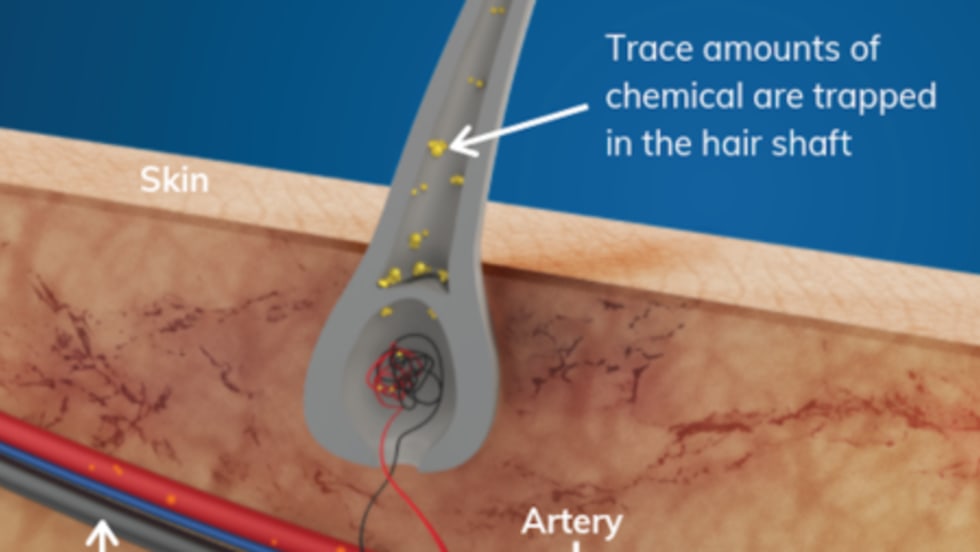
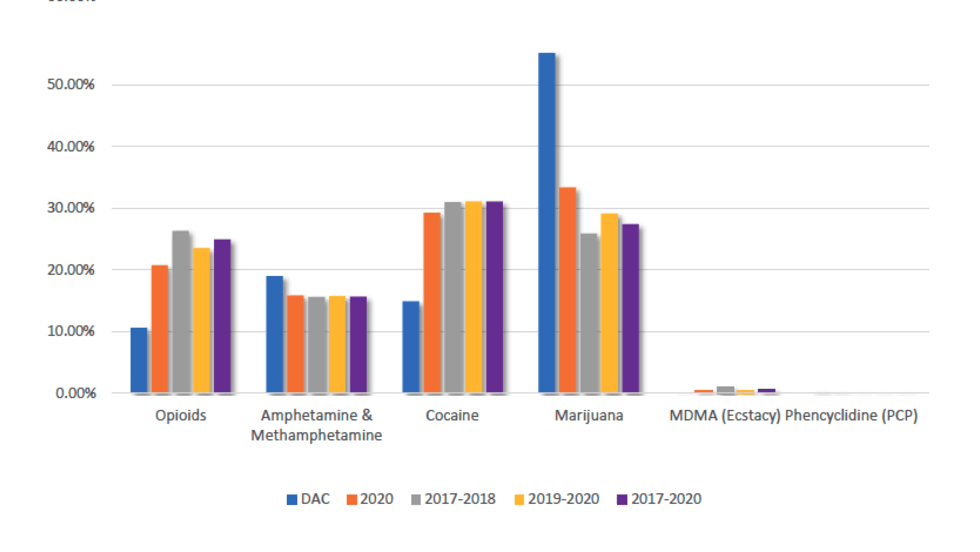
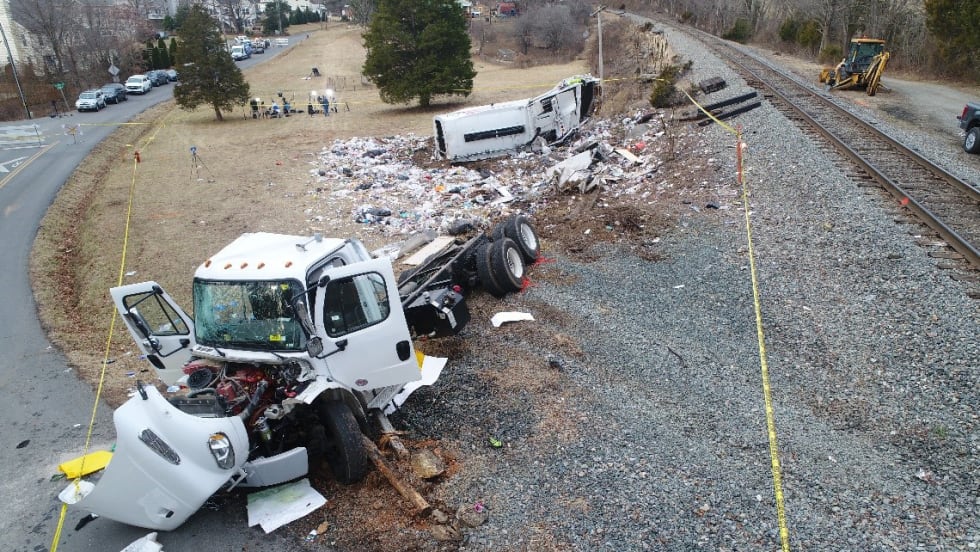
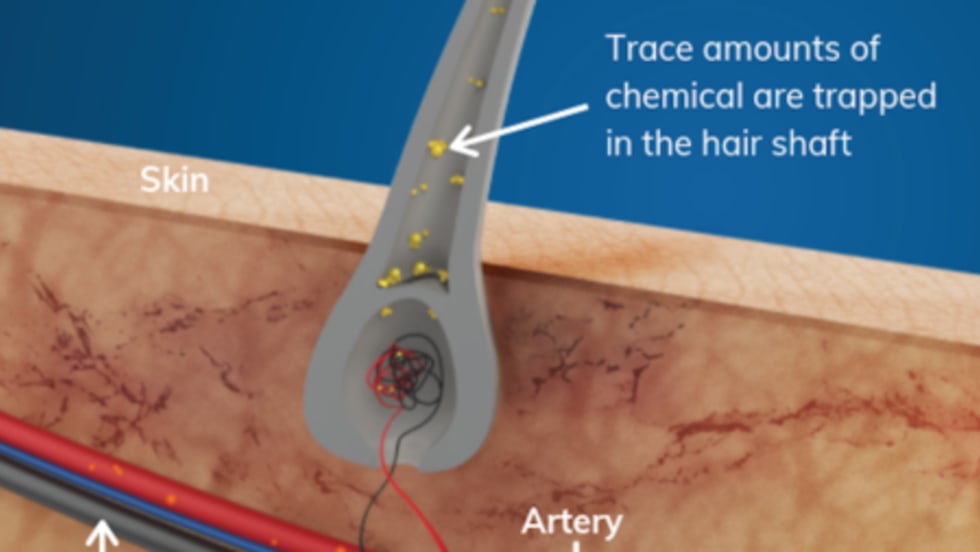


According to the Trucking Alliance, its survey suggests truck drivers are using illegal drugs in dramatically higher numbers than is reported by DOT.
Read More →Why should motor carriers be allowed to report drivers to the Drug and Alcohol Clearinghouse for overhearing a conversation about drug-use under "actual knowledge," but not be able to report hair-testing? The Trucking Alliance wants to know.
Read More →Is marijuana really the drug most commonly used by truck drivers? National Drug and Alcohol Clearinghouse statistics say it is by far, but hair-testing advocates cite an analysis finding otherwise.
Read More →A proposal from the Department of Health and Human Services to set up standards for the use of hair testing for drugs is not what hair-testing advocates in the trucking industry were hoping for.
Read More →Did the Department of Health and Human Services fail to consult its own drug-testing advisory board when developing new hair-testing guidelines that are expected to be published imminently?
Read More →Trucking fleets that have implemented hair testing for illegal drugs in addition to the DOT-mandated urine testing for commercial drivers say not only is it the right thing to do, but it also offers benefits that fleets might not think about.
Read More →New information in the latest Drug and Alcohol Clearinghouse Report could accelerate calls for federal approval of other testing methods, such as hair and oral fluid testing, according to one safety and compliance expert.
Read More →New research validates a study that almost 300,000 truck drivers would fail a hair test for drug use today, according to The Alliance for Driver Safety and Security, which did the original study and funded the validating research.
Read More →The Federal Motor Carrier Safety Administration is doubling the minimum annual percentage rate for random controlled substance testing for commercial motor vehicle drivers, from 25% to 50% percent, effective Jan. 1.
Read More →