


 MENU
 SEARCHMENUSEARCH
Loading data...

Absorbing an extra 5 mph amounts to almost double the force that slams into a trailer's rear, but isn't that expensive to produce, explains Tom Berg in his Trailer Talk blog.
Read More →

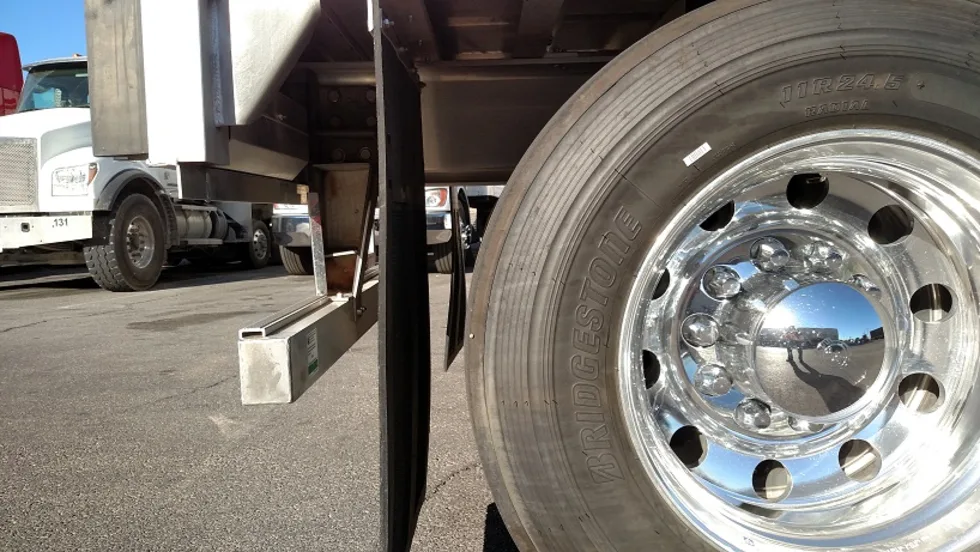


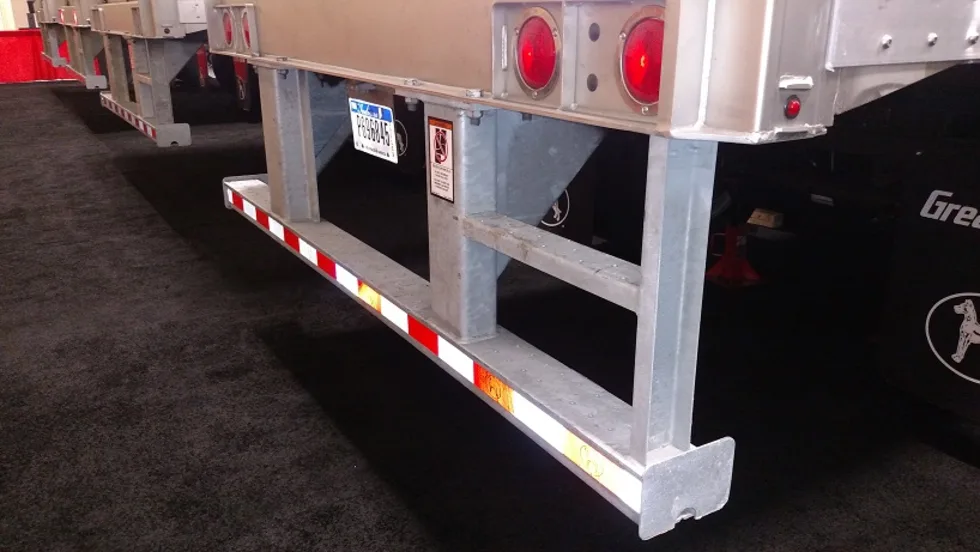
The Commercial Vehicle Safety Alliance is instituting a new inspection event to gather data on trailer underride guards as part of an effort to analyze rear impact safety requirements for commercial vehicles.
Read More →Senior Editor Tom Berg ponders fatal rear-end crashes -- a type of crash that killed a college buddy many years ago.
Read More →Many trailers need energy absorbing rear impact guards, but many don't. Senior Contributing Editor Tom Berg talks about them.
Read More →Utility Trailer Manufacturing announced that its dry vans, refrigerated vans, and flatbeds produced after 2002 can be retrofitted with Utility’s standard 7-inch-deep horizontal rear underride guard.
Read More →The Federal Motor Carrier Safety Administration has proposed to include the rear impact (underride) guard on the list of items to be examined during the required annual inspection for each commercial motor vehicle.
Read More →The patent-pending guard underwent extensive testing internally and through multiple independent testing agencies, including crash testing performed at the Insurance Institute for Highway Safety’s facility in Virginia.
Read More →Stoughton Trailers has earned the ToughGuard Award from the Insurance Institute for Highway Safety and the respect of Marianne Karth, a survivor of a rear-impact crash that took the lives of two of her daughters.
Read More →Last March, the Insurance Institute for Highway Safety announced results of crash-testing of several van trailers whose underride guards did not perform well, except in a couple of cases
Read More →Rear impact guards, or RIGs, should have a label attesting to its compliance with federal regulations. But in a recent CVSA inspection blitz, they were the source of several headaches.
Read More →