





Related: Are Underride Guards Good Enough?
Crash Argues for Better Impact Guards, and Better Driving
Senior Editor Tom Berg ponders fatal rear-end crashes -- a type of crash that killed a college buddy many years ago.
August 14, 2015
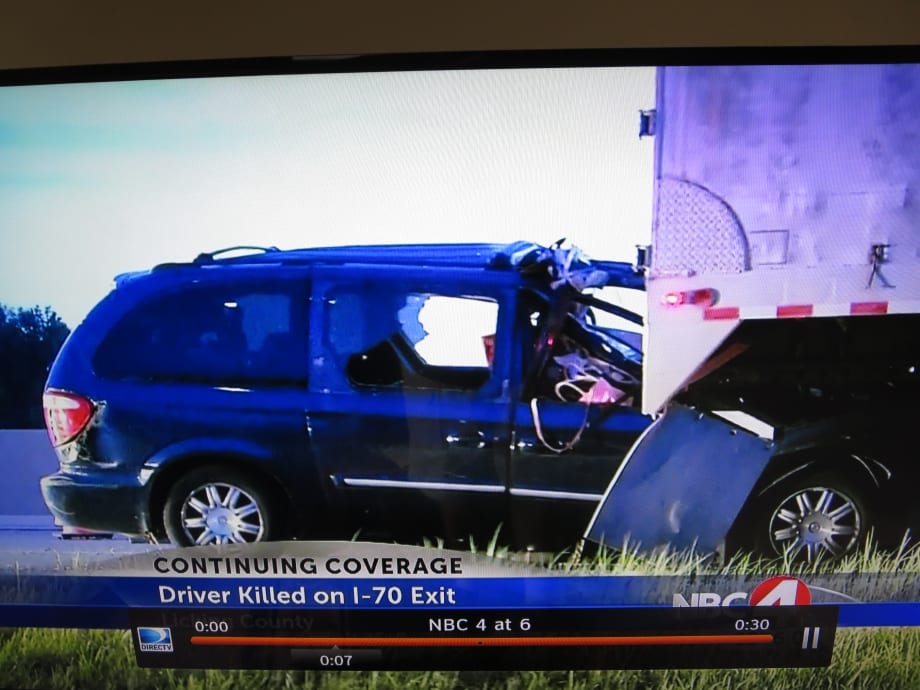
In spite of the underride, the van's driver door opened and the motorist removed that way. Photo: Tom Berg, image via WCMH-TV
3 min to read
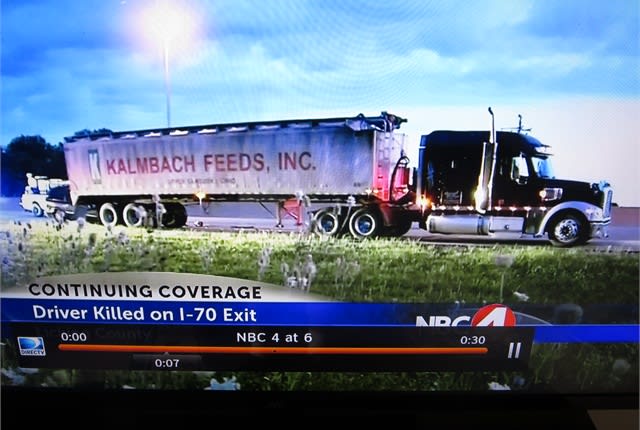
The van smacked the parked rig's rear and pushed the trailer's tandem forward. Photo: Tom Berg, image via WCMH-TV
Early this month a local TV newscast ran a story about a fatal collision in which a minivan ran into a semi. You know who lost: the driver of the van, which rode under the rear of the trailer. She was killed instantly, the story said, and that’s not surprising when you look at the pictures.
The wreck occurred about 4:15 a.m. on Aug. 4 at a rest area along eastbound I-70 near Buckeye Lake, Ohio, east of Columbus. The 69-year-old woman was heading into the area on the off-ramp when she let her car move onto the shoulder and hit the rear of the parked rig. The truck's 51-year-old driver was in the sleeper berth and was not injured, Lt. Kevin Miller, of the Ohio State Highway Patrol’s Granville post, told me.
The truck driver was not cited because “the truck was off to the side and off the pavement,” said Miller, who was on scene after the accident. “He was in the cab, sleeping. I didn’t even present it to the prosecutor.”
It’s common for semis to park on the shoulders of ramps at rest areas, which fill up after dark. Truck drivers need to rest for biological and legal reasons, and rest areas are never large enough to hold all the big rigs.
Is it legal to park on the shoulders? “That’s up for debate,” Miller said. “But there are no signs posted prohibiting parking there, so it’s not illegal.”
You’d think the motorist would’ve seen the rig sitting there with its tail and marker lights on, and its red-and-white reflectors aglow from her van’s headlights. The lieutenant said the cause is still under investigation, “but we believe it was a matter of impairment – drugs or alcohol, or medical.”
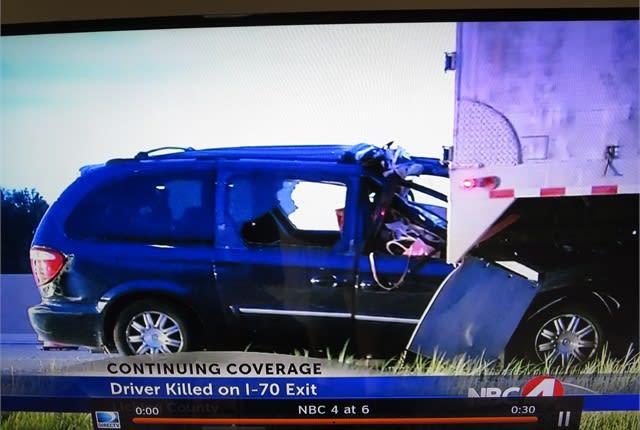
In spite of the underride, the van's driver door opened and the motorist removed that way. Photo: Tom Berg, image via WCMH-TV
Her van smacked into the semi’s rear and bent the rear-impact guard and plunged under the rear of the grain trailer with enough force to push its tandem forward. The windshield collapsed and the front of the van's roof was torn back, also a result of the impact. The driver’s door still opened, though, and her body was removed that way, Miller said.
I put in a call to the company that owns the trailer, but the manager was out for the day, and I wouldn't be surprised if I don't hear back. Not everyone wants to talk to a news reporter.
These rear-impact accidents don’t happen too often, but when they do they're devastating to a motorist. My best friend in college was killed this way, back in 1973, about eight years after we graduated. So I sympathize with victims and their families. And I nod my head when I hear that federal authorities are talking about requiring advanced rear impact guards that would better absorb crash energy, and maybe save some lives.
But there’s a lot to be said for controlling one’s car so it doesn’t hit a parked semi, or anything else, in the first place. Be careful out there!
Subscribe to Our Newsletter
More Blog Posts
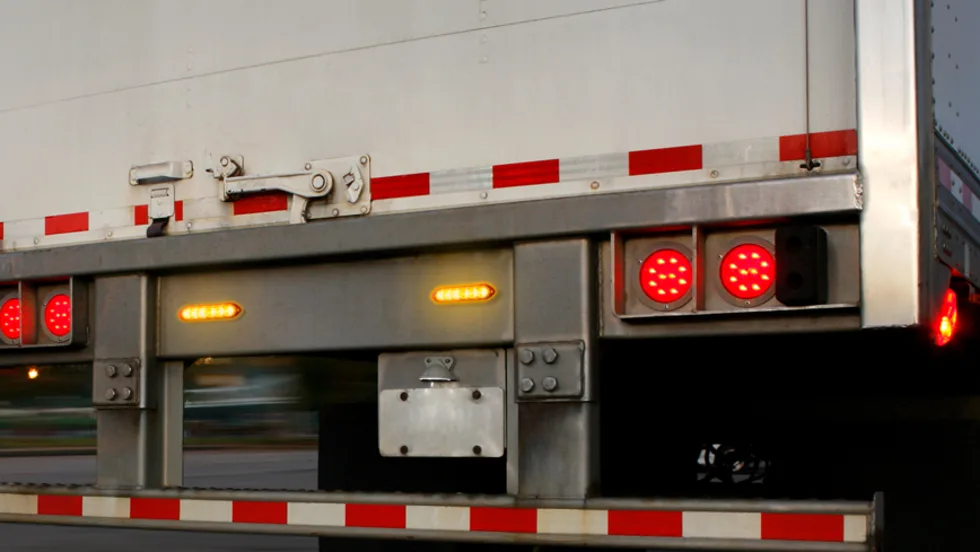
Pulsing Back-of-Trailer Lamps Aim to Prevent Crashes
Can the addition of a pulsing brake lamp on the back of a trailer prevent rear-end collisions? FMCSA seems to think so, if its exemptions are any indication.
Read More →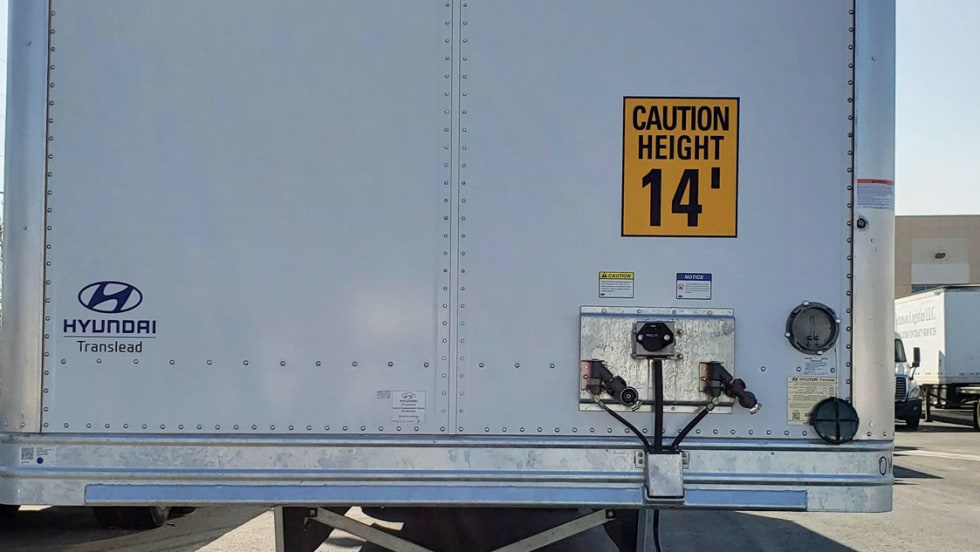
Designing a 14-Foot Trailer
Trailers are 13 feet, 6 inches high, right? Not for Hub Group, which developed a special 14-foot-high trailer spec for a dedicated customer based in California. Learn more in the Trailer Talk blog.
Read More →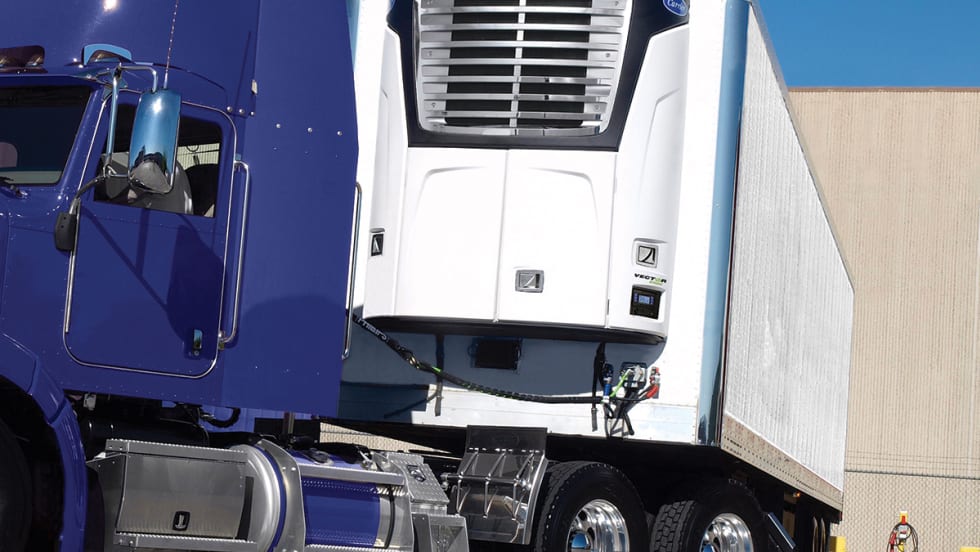
CARB Comes for Reefer Trailers
A new round of emissions control regulations decreed by the California Air Resource Board will begin affecting refrigerated trailer and TRU design and operations next year.
Read More →
5 Ways Data Analysis Maximizes the Value of Trailer Telematics
Are you getting the most out of your trailer telematics investment?
Read More →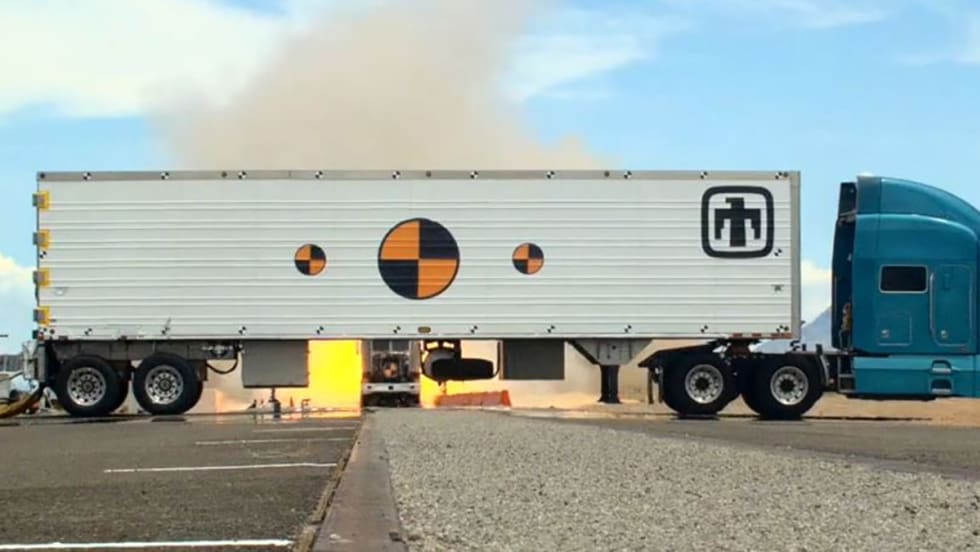
Can You Guess What's in That Trailer?
You don’t always know what’s in the trailers that pass you on the road. But some of those trailers are carrying something a little more dangerous that frozen food or new bedding…like, maybe, a nuclear weapon. But this isn’t an ordinary trailer; this is a trailer specifically made to not only carry this type of payload, but protect it at all costs.
Read More →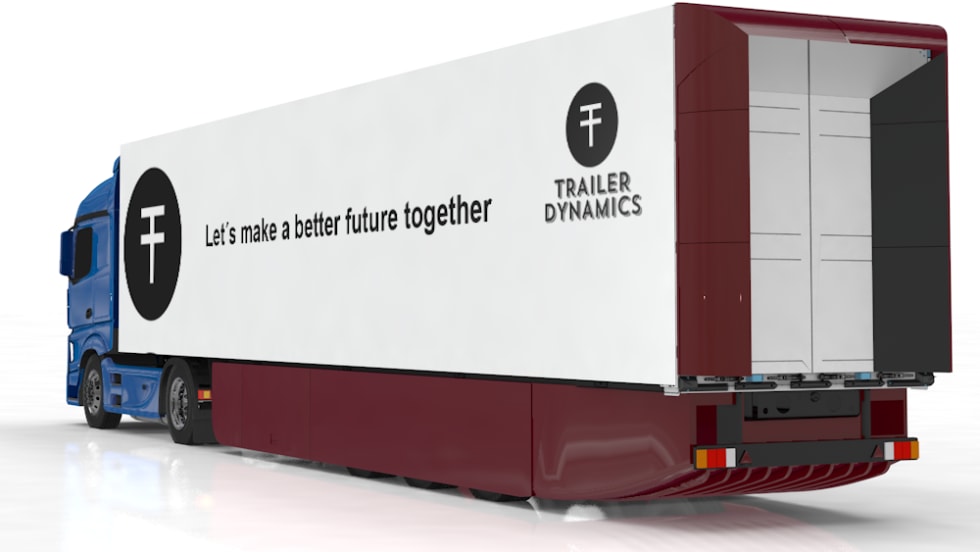
How Trailers Are Harnessing 'Free' Energy
Can trailers play a more active role in sustainable transport beyond aerodynamic add-ons or low-rolling-resistance tires? Some companies think so.
Read More →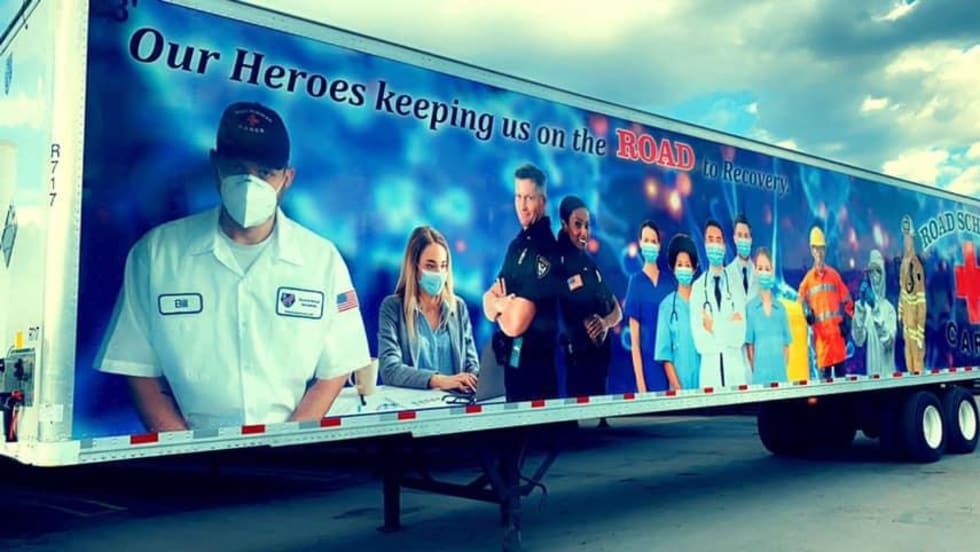
Wrapping a Trailer for COVID’s Everyday Heroes
“We don’t only deliver freight. We deliver awareness.” That’s what Jim Barrett, president and CEO of Road Scholar Transport, likes to say about the Dunmore, Pennsylvania-based carrier’s “awareness fleet.” Its latest trailer wrap honors the everyday heroes of the pandemic.
Read More →
How a Tanker Fleet is Using Unorthodox Trailer Lighting to Fight Rear-End Collisions
Groendyke Transport watched the number of rear-end collisions with its trailers rise steadily until it tried an unorthodox and then unapproved method of alerting following drivers that its trucks were applying brakes and slowing down.
Read More →
The Role Trailers are Playing in COVID-19 Funerals
In places such as New York City and Detroit, overwhelmed hospitals and mortuaries are using refrigerated trailers to store the bodies of people killed by COVID-19.
Read More →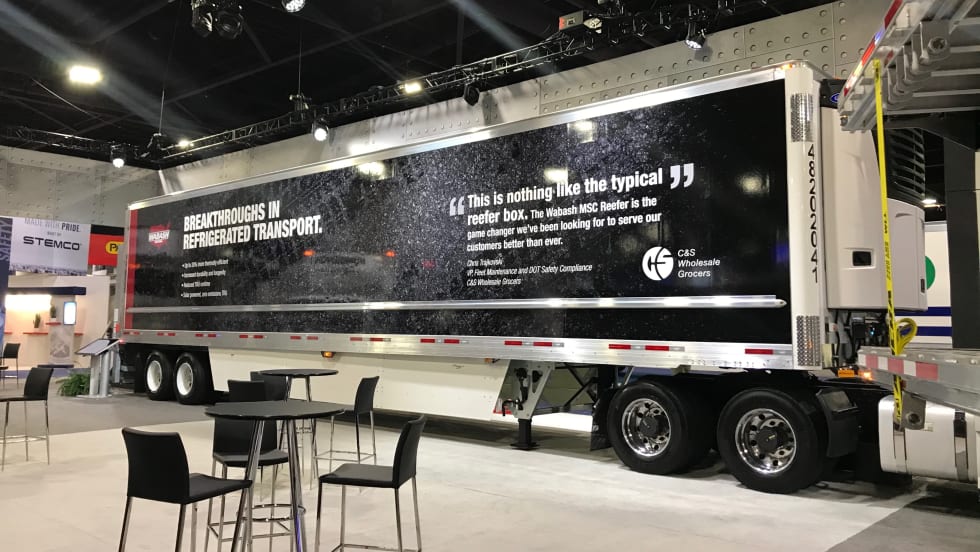
Reefer Trailer Aims to Help Reach Zero Emissions
Wabash National is partnering with C&S Wholesale Grocers to test a new type of zero-emissions refrigerated trailer.
Read More →