





You also may like: 4 Ways to Customize Trailers for Your Operations
Designing a 14-Foot Trailer
Trailers are 13 feet, 6 inches high, right? Not for Hub Group, which developed a special 14-foot-high trailer spec for a dedicated customer based in California. Learn more in the Trailer Talk blog.
May 13, 2021
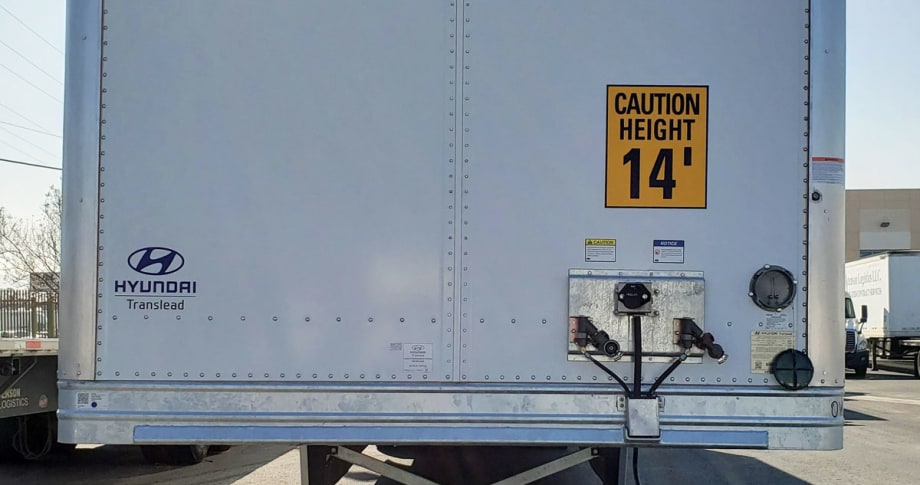
The front of the trailer bears a warning about the height.
2 min to read
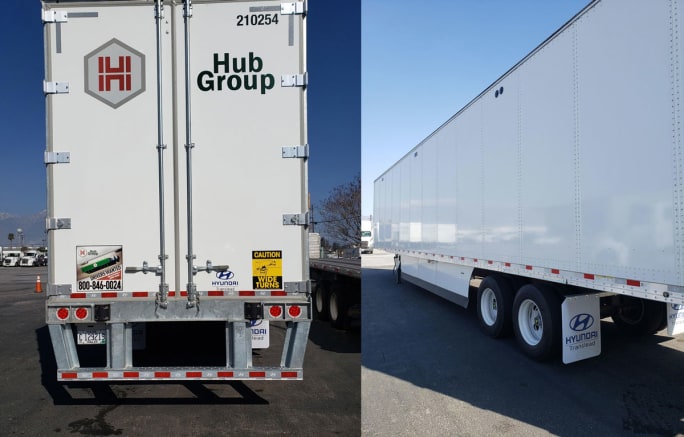
Hub Group worked with suppliers to spec a 14-foot-high trailer that meets the needs of one of its dedicated customers.
Photo: Hub Group
Trailers are 13 feet, 6 inches high, right? Not always the case for Hub Group, which developed a special 14-foot-high trailer spec for a dedicated customer based in California.
Many western states allow 14-foot-high trailers – a couple even 14-foot-6-inches, explains Gerry Mead, executive vice president of maintenance and equipment for Hub Group and a former HDT Truck Fleet Innovator. “Of course, they operate on designated highways, and you still have to be aware of your bridges.”
Even though 14-foot trailers aren’t exactly new, Mead says, for this specific customer’s needs, there wasn’t anything off-the-shelf that would work. So he and his team worked on developing a spec that would allow the greater amount of freight without being too heavy for the floor or making the combination overweight – while dealing with the driving dynamics of 6 more inches of trailer height.
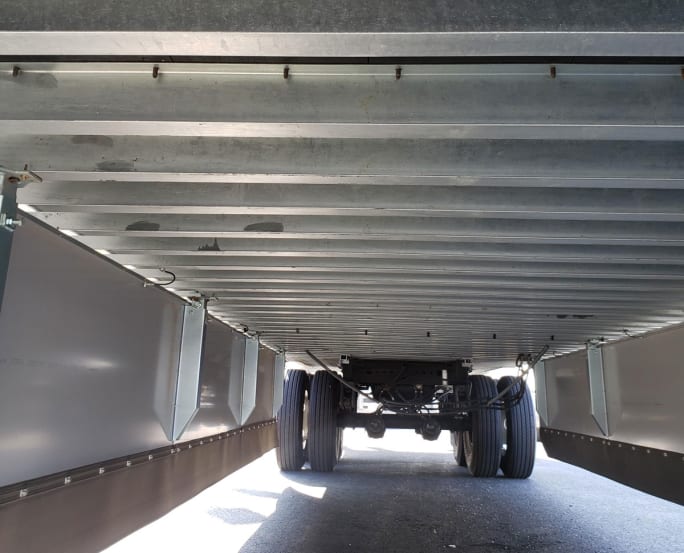
More crossmembers, closer together, offer greater strength for heavy loads.
Photo: Hub Group
“If you make that wall taller, it changes the dynamics of roof bow placements,” Mead says. “And we were going to haul heavier weights, so we had to pay attention to the crossmembers and the floor. We had to be very careful in how we spec’ed it. We came up with a strong, capable trailer that can haul a lot more weight. These weren’t something you’re going to go rent.”
Mead worked with suppliers such as Hyundai trailers, Havco floors, ConMet, Phillips Industries, and Truck-Lite.
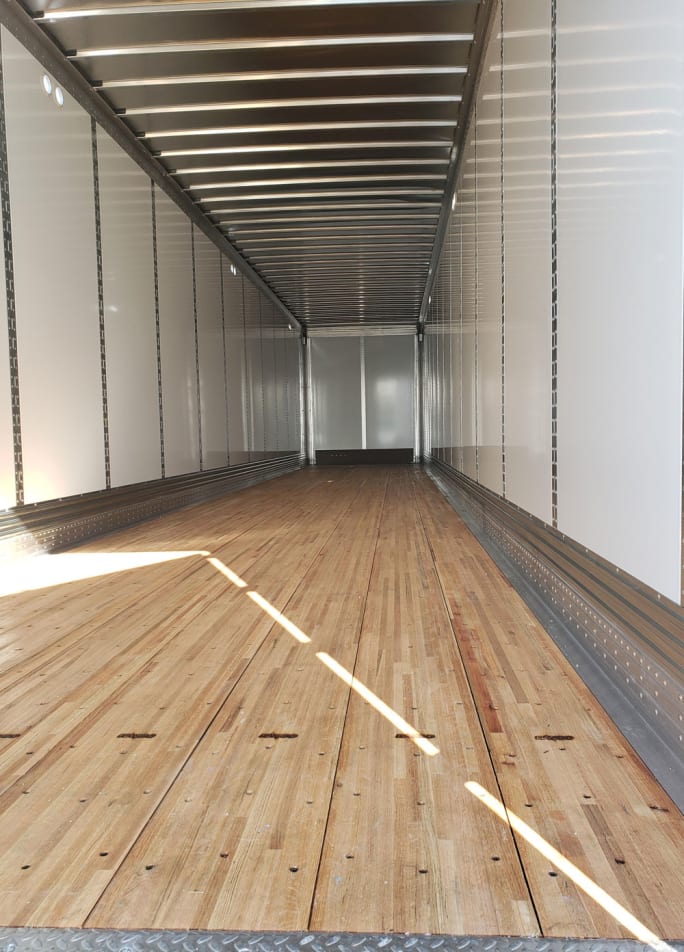
A composite floor reduces weight. Roof bows were rethought to provide more stability to the taller sides of the trailer.
Photo: Hub Group
To develop a trailer that was lightweight and strong, Mead says, they moved the crossmembers closer together but used a lighter-weight composite floor.
“We brought the roof bows in [closer] to give more strength to the roof area, and that gives you more connection points on the sidewall.” Because trailers normally sway side to side a bit going down the road, they designed the trailer to reduce that because of the added height.
He likens the design to that of a suspension bridge, where the strength results from the design of the system as a whole.
Mead recently returned from a visit to the California facilities to see how the 20 trailers are doing after six months on the road.
“They look good,” he said. “I’ll be excited to see where they are in a few years.”
Subscribe to Our Newsletter
More Blog Posts

Pulsing Back-of-Trailer Lamps Aim to Prevent Crashes
Can the addition of a pulsing brake lamp on the back of a trailer prevent rear-end collisions? FMCSA seems to think so, if its exemptions are any indication.
Read More →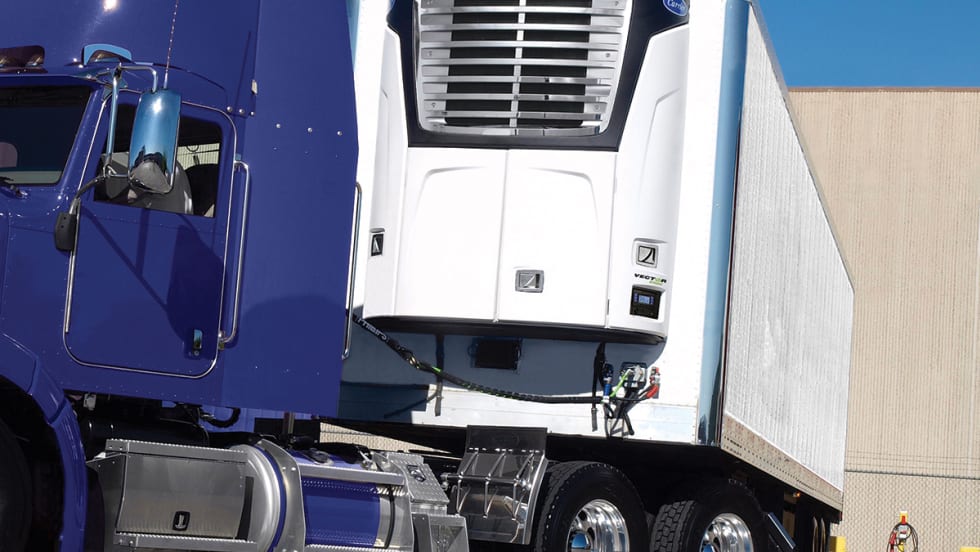
CARB Comes for Reefer Trailers
A new round of emissions control regulations decreed by the California Air Resource Board will begin affecting refrigerated trailer and TRU design and operations next year.
Read More →
5 Ways Data Analysis Maximizes the Value of Trailer Telematics
Are you getting the most out of your trailer telematics investment?
Read More →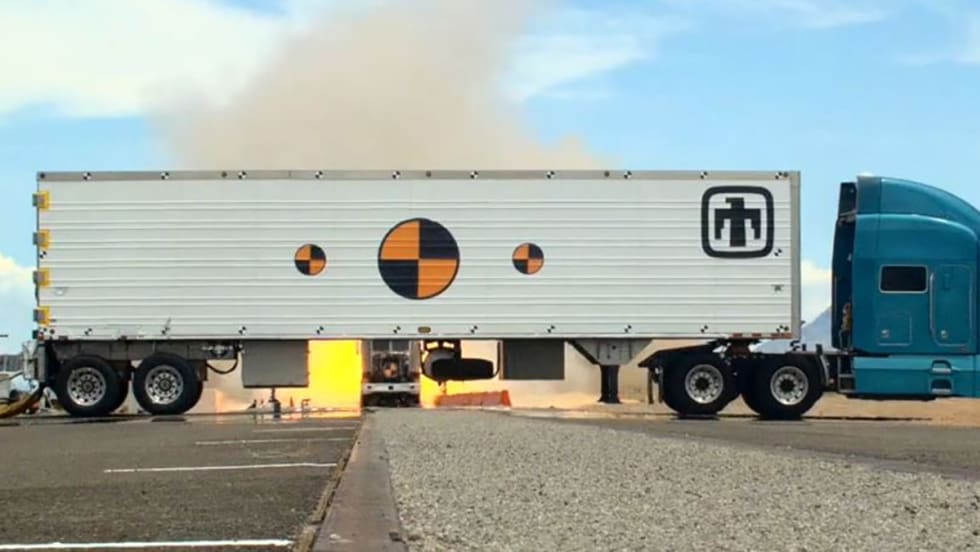
Can You Guess What's in That Trailer?
You don’t always know what’s in the trailers that pass you on the road. But some of those trailers are carrying something a little more dangerous that frozen food or new bedding…like, maybe, a nuclear weapon. But this isn’t an ordinary trailer; this is a trailer specifically made to not only carry this type of payload, but protect it at all costs.
Read More →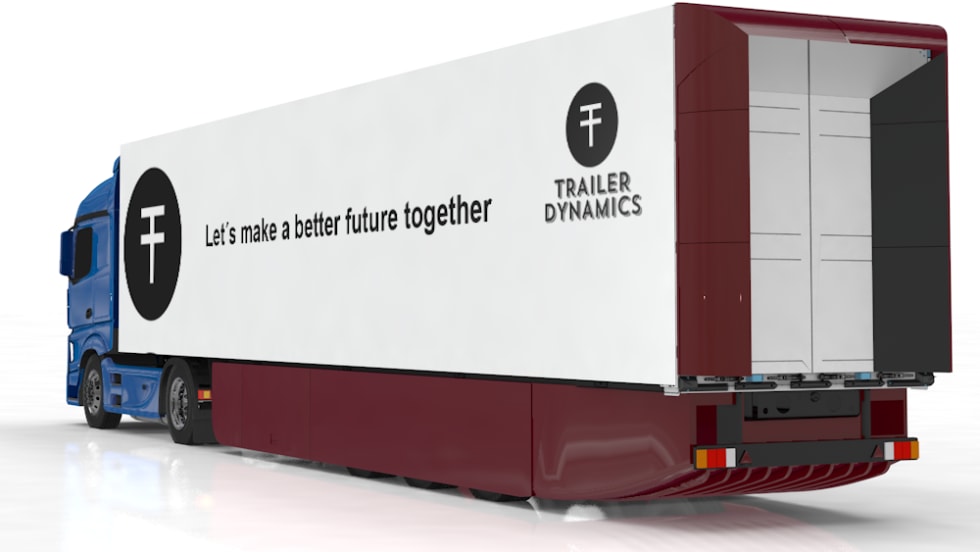
How Trailers Are Harnessing 'Free' Energy
Can trailers play a more active role in sustainable transport beyond aerodynamic add-ons or low-rolling-resistance tires? Some companies think so.
Read More →
Wrapping a Trailer for COVID’s Everyday Heroes
“We don’t only deliver freight. We deliver awareness.” That’s what Jim Barrett, president and CEO of Road Scholar Transport, likes to say about the Dunmore, Pennsylvania-based carrier’s “awareness fleet.” Its latest trailer wrap honors the everyday heroes of the pandemic.
Read More →
How a Tanker Fleet is Using Unorthodox Trailer Lighting to Fight Rear-End Collisions
Groendyke Transport watched the number of rear-end collisions with its trailers rise steadily until it tried an unorthodox and then unapproved method of alerting following drivers that its trucks were applying brakes and slowing down.
Read More →
The Role Trailers are Playing in COVID-19 Funerals
In places such as New York City and Detroit, overwhelmed hospitals and mortuaries are using refrigerated trailers to store the bodies of people killed by COVID-19.
Read More →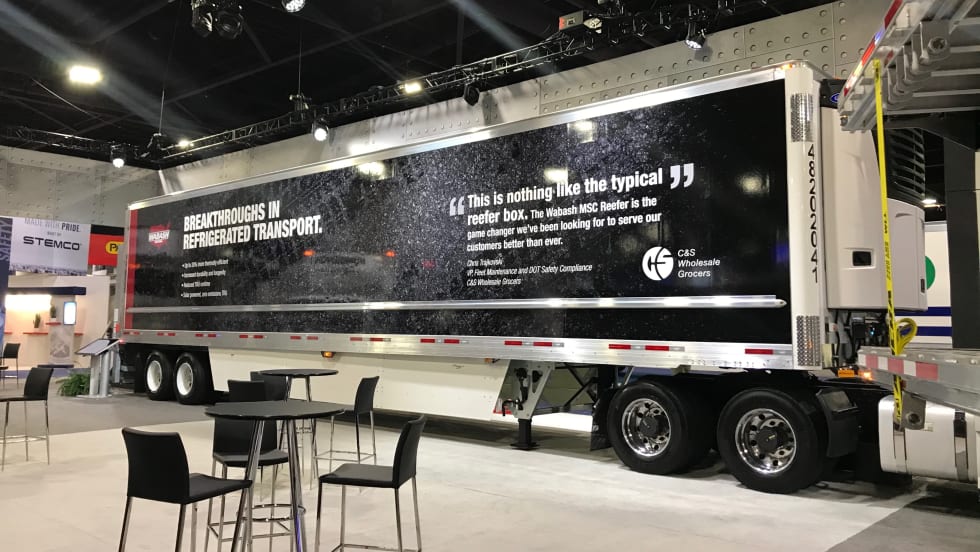
Reefer Trailer Aims to Help Reach Zero Emissions
Wabash National is partnering with C&S Wholesale Grocers to test a new type of zero-emissions refrigerated trailer.
Read More →
Spireon Turns 'Smart Trailer' Data Into Insights
What is a smart trailer? Spireon says it has an answer, with its recent introduction of Intelligent Trailer Management.
Read More →