




Stronger Impact Guards Are Already Here
Absorbing an extra 5 mph amounts to almost double the force that slams into a trailer's rear, but isn't that expensive to produce, explains Tom Berg in his Trailer Talk blog.

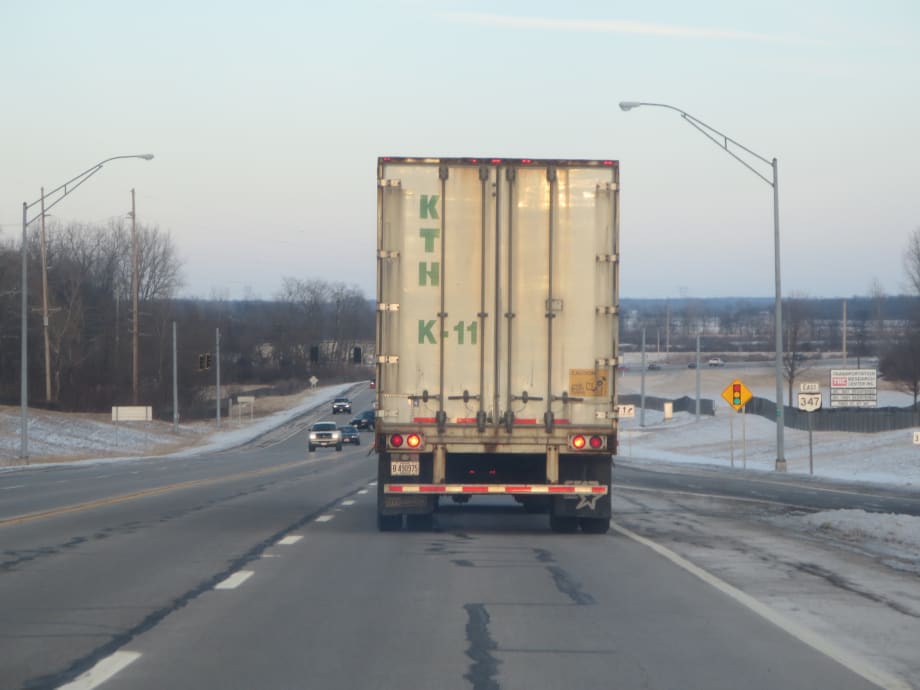
Is that bumper a Canadian- or American-spec? It could be either. Photo: Tom Berg
Is that bumper a Canadian- or American-spec? It could be either. Photo: Tom Berg
Stronger rear impact guards will soon be required by federal government regulators, but it’s not a big deal to trailer makers or users because they're already out there. These are Canadian-sped guards, or “bumpers,” which a lot of people still call them.
Trailer manufacturers have made Canadian-style bumpers standard on vans and reefers for quite a while because many of them travel into Canada, where they’re required. They’re also safer, and folks in trucking care about that.
Canadian guards are designed to absorb impacts of up to 35 mph, while American-style guards are engineered to withstand 30-mph impacts. Thirty-five miles per hour is what the feds want.
You might think 5 mph is not much of a difference, but the static-test forces involved in that 5-mph increment are almost double — a little over 78,000 pounds for the Canadian bumper vs. 44,000 pounds for the American spec, says Charlie Fetz, Great Dane Trailers’ chief engineer.
He was among the active participants in a task force meeting discussing a recommended practice for repairing rear underride guards. Led by Gary Fenton of Stoughton Trailers, it was one of many sessions during this week’s Technology & Maintenance Council meeting in Nashville, Tenn.
Until this session I thought that Canadian bumpers were easy to spot. They have two extra vertical posts, one at each end, right? Wrong, Fetz and Fenton told me. Those posts are there primarily to keep a guy’s foot from slipping sideways and off the horizontal member as he’s climbing into a trailer.
The horizontal bar – the actual bumper, in most people’s eyes – is also a handy step, and most are made with non-slip surfaces on their upper face. And usually there’s a grab handle on the trailer’s rear door sill to aid the climber. Canadian bumpers are stronger because their supporting braces and the rear of the trailer’s structure are beefier.
There’s nothing simple about the impact guards, the two engineers said. Every trailer builder must design them to absorb specified impact forces in certain types of rear-end collisions. The National Highway Traffic Safety Administration allows manufacturers to self-certify their testing results, while Canadian authorities require proof of satisfactory testing.
Although considerably stronger, the Canadian bumpers don’t cost much more to build and buy, which is one reason fleet managers haven’t complained like their predecessors did when NHTSA demanded stronger bumpers back in the 1990s.
As I recall, some big-fleet managers howled at the prospect of spending several hundred dollars per trailer vs. the cost of the simple types then in use. They each had 1,000 or more trailers and a few bucks added up to big bucks. Now that kind of money is not much because overall prices have climbed a great deal.
Also, people today seem more sympathetic to the injuries and deaths suffered by motorists who rear-end trailers, even if they are to blame. And law suits by the errant motorists and their survivors are far more expensive than what the equipment costs.
As I’ve written in past articles, my best buddy in college was killed when he rear-ended a trailer on a dark, rainy night, so I’m one who takes this bumper business seriously.
More Blog Posts
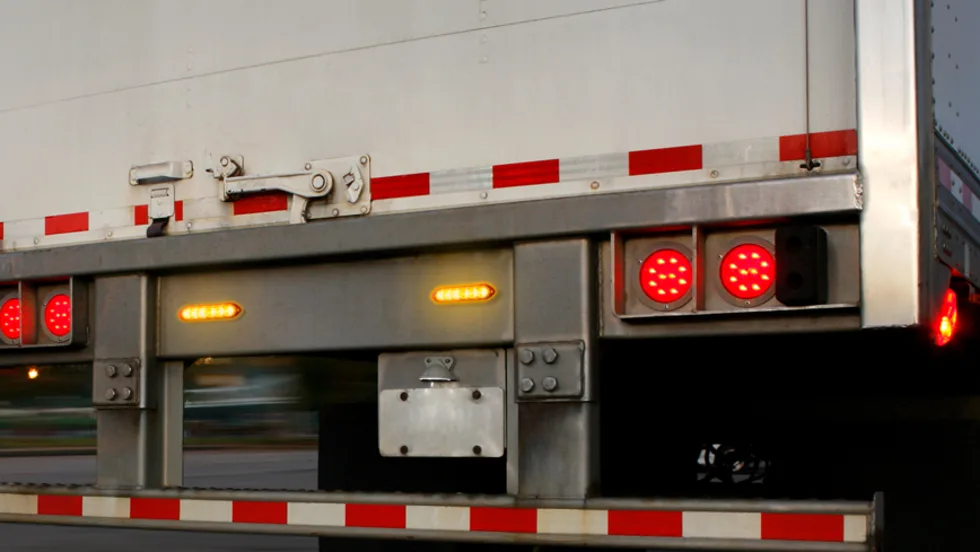
Pulsing Back-of-Trailer Lamps Aim to Prevent Crashes
Can the addition of a pulsing brake lamp on the back of a trailer prevent rear-end collisions? FMCSA seems to think so, if its exemptions are any indication.
Read More →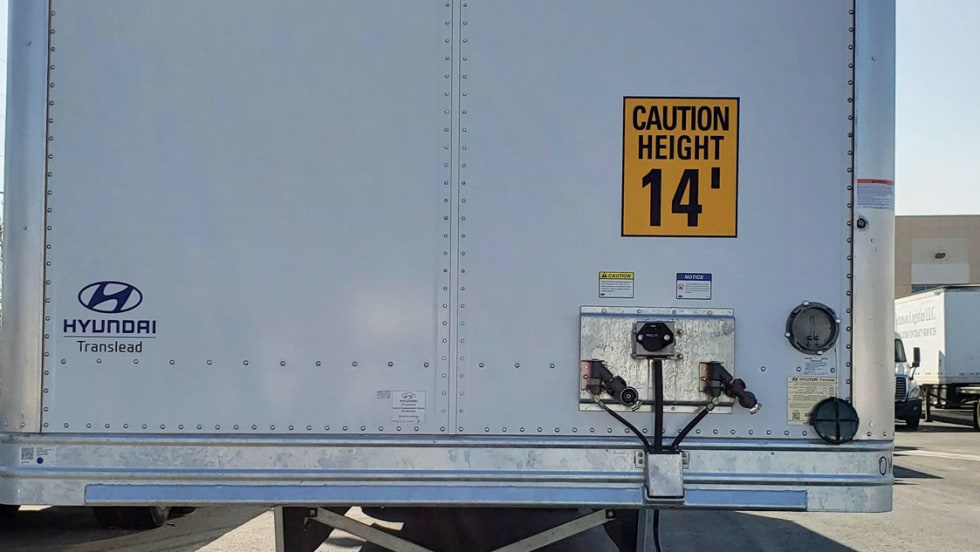
Designing a 14-Foot Trailer
Trailers are 13 feet, 6 inches high, right? Not for Hub Group, which developed a special 14-foot-high trailer spec for a dedicated customer based in California. Learn more in the Trailer Talk blog.
Read More →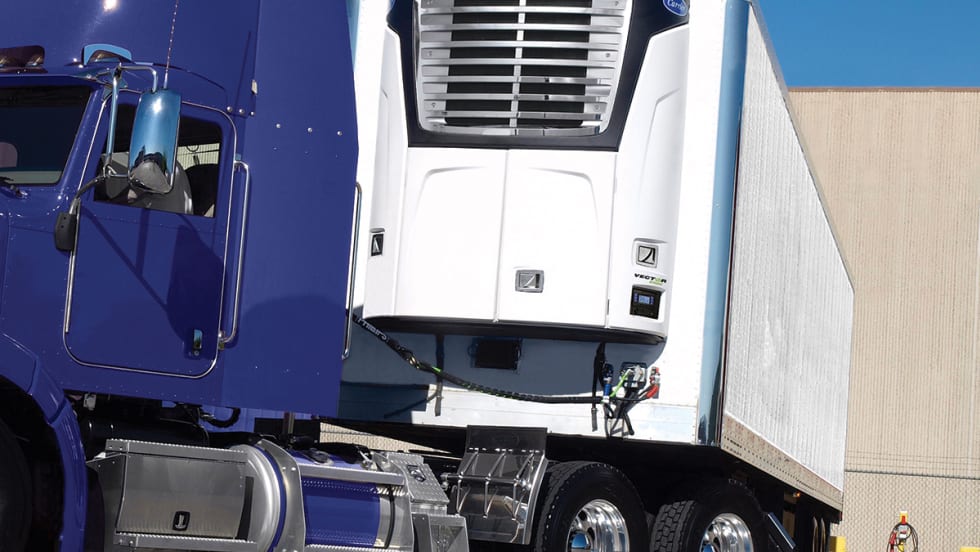
CARB Comes for Reefer Trailers
A new round of emissions control regulations decreed by the California Air Resource Board will begin affecting refrigerated trailer and TRU design and operations next year.
Read More →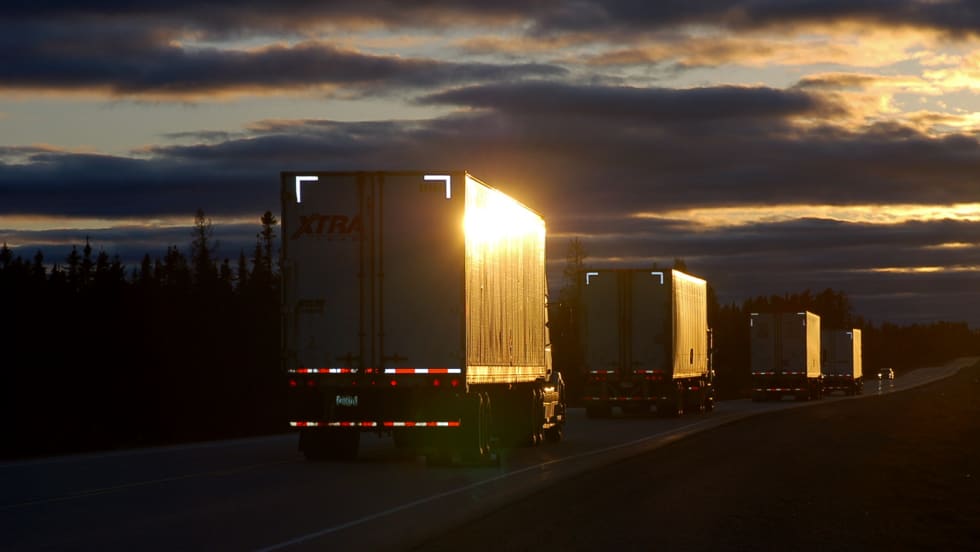
5 Ways Data Analysis Maximizes the Value of Trailer Telematics
Are you getting the most out of your trailer telematics investment?
Read More →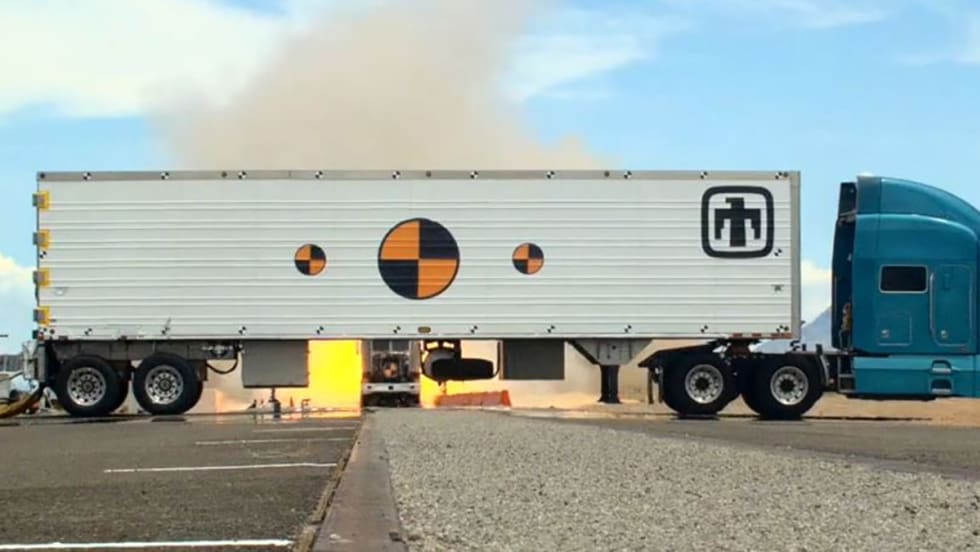
Can You Guess What's in That Trailer?
You don’t always know what’s in the trailers that pass you on the road. But some of those trailers are carrying something a little more dangerous that frozen food or new bedding…like, maybe, a nuclear weapon. But this isn’t an ordinary trailer; this is a trailer specifically made to not only carry this type of payload, but protect it at all costs.
Read More →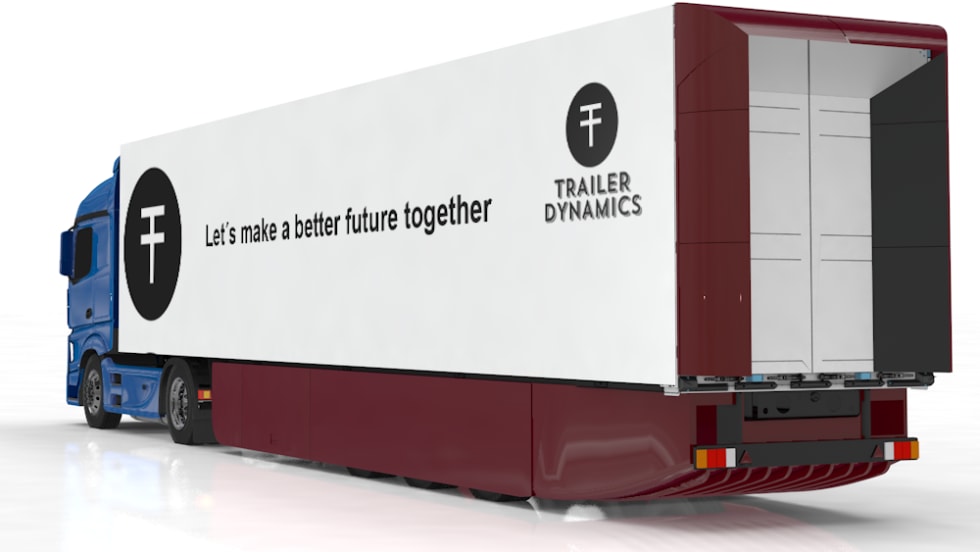
How Trailers Are Harnessing 'Free' Energy
Can trailers play a more active role in sustainable transport beyond aerodynamic add-ons or low-rolling-resistance tires? Some companies think so.
Read More →
Wrapping a Trailer for COVID’s Everyday Heroes
“We don’t only deliver freight. We deliver awareness.” That’s what Jim Barrett, president and CEO of Road Scholar Transport, likes to say about the Dunmore, Pennsylvania-based carrier’s “awareness fleet.” Its latest trailer wrap honors the everyday heroes of the pandemic.
Read More →
How a Tanker Fleet is Using Unorthodox Trailer Lighting to Fight Rear-End Collisions
Groendyke Transport watched the number of rear-end collisions with its trailers rise steadily until it tried an unorthodox and then unapproved method of alerting following drivers that its trucks were applying brakes and slowing down.
Read More →
The Role Trailers are Playing in COVID-19 Funerals
In places such as New York City and Detroit, overwhelmed hospitals and mortuaries are using refrigerated trailers to store the bodies of people killed by COVID-19.
Read More →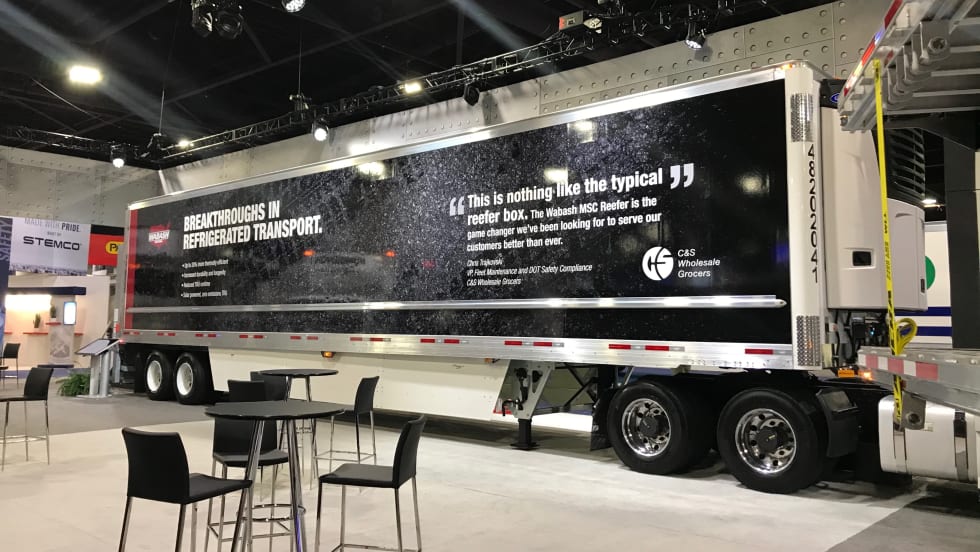
Reefer Trailer Aims to Help Reach Zero Emissions
Wabash National is partnering with C&S Wholesale Grocers to test a new type of zero-emissions refrigerated trailer.
Read More →