


 MENU
MENU SEARCHMENUSEARCH
Loading data...
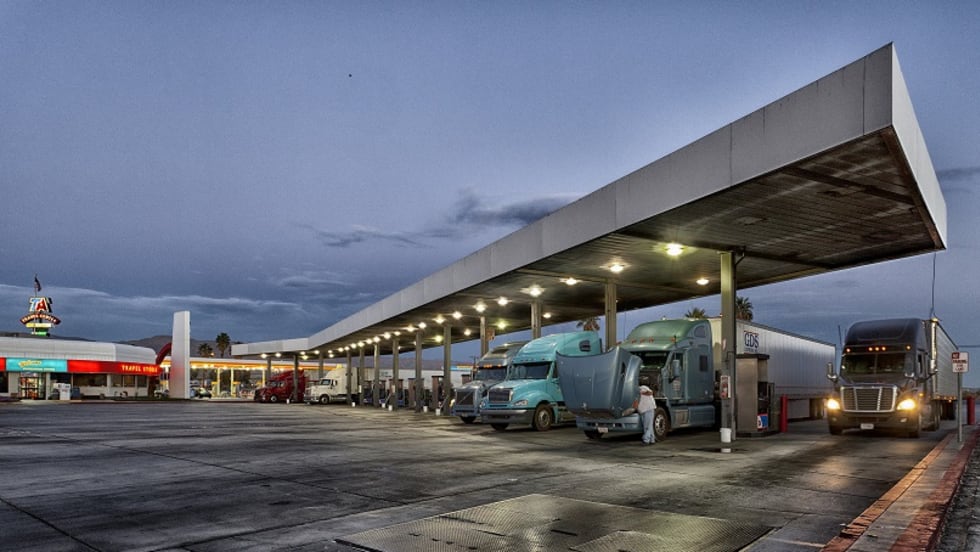
The FMCSA announced that it is granting petitions to preempt California’s meal and rest break rules for truck drivers, which differ from current federal hours-of-service regulations.
Read More →


We take a look back at the top 10 online news stories that grabbed our readers attention in 2018.
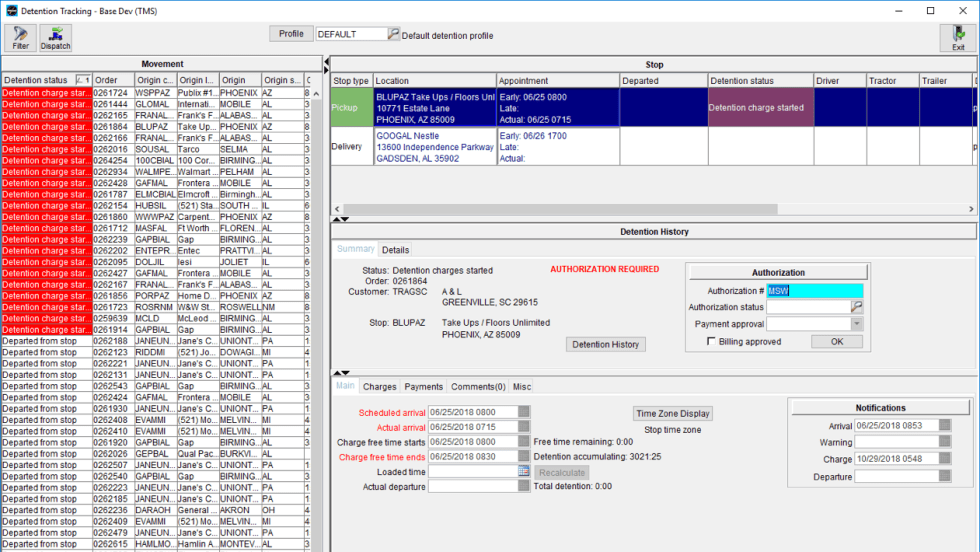
Read More →New capabilities and functionality have been added to McLeod Software’s solutions for truckload carriers, LTL carriers, brokers and 3PLs, including a new detention module.
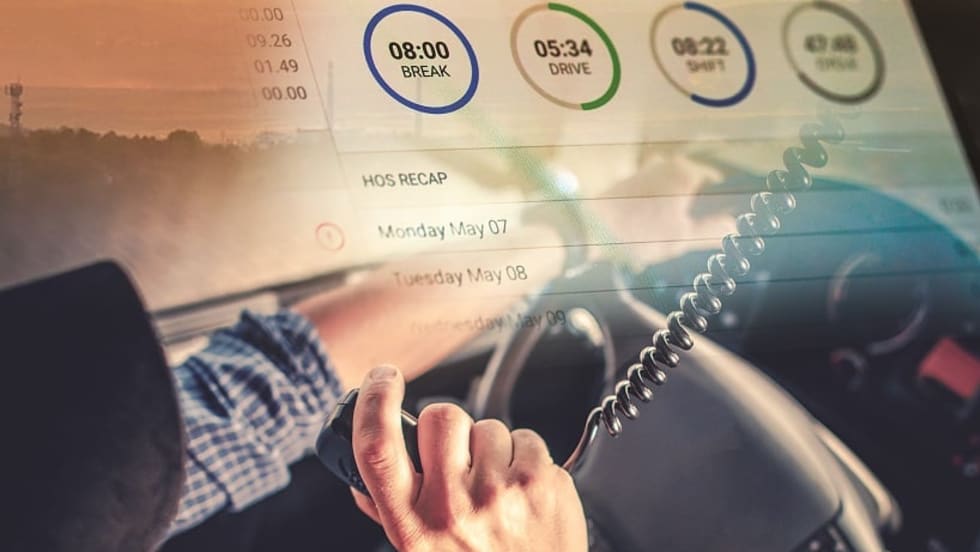
Read More →While some fleets may view electronic logging devices only as a regulatory requirement, the data they collect can be integrated with mobile communication and back-office systems to improve efficiency, long-range planning and safety.
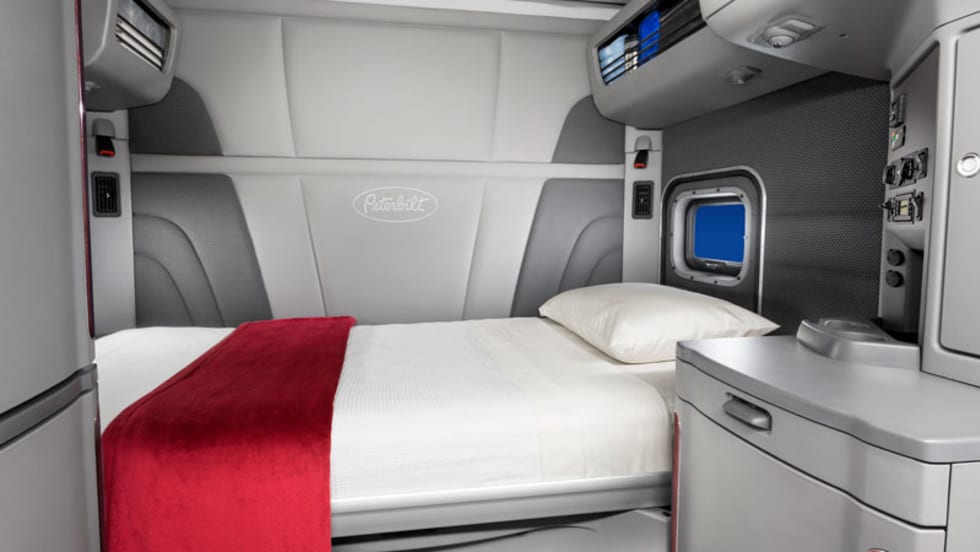
Read More →Could bringing back the split sleeper berth provision of the hours of service regulations actually be a step backwards for safety and for driver health and satisfaction? Deborah Lockridge explores the question in her All That's Trucking blog.
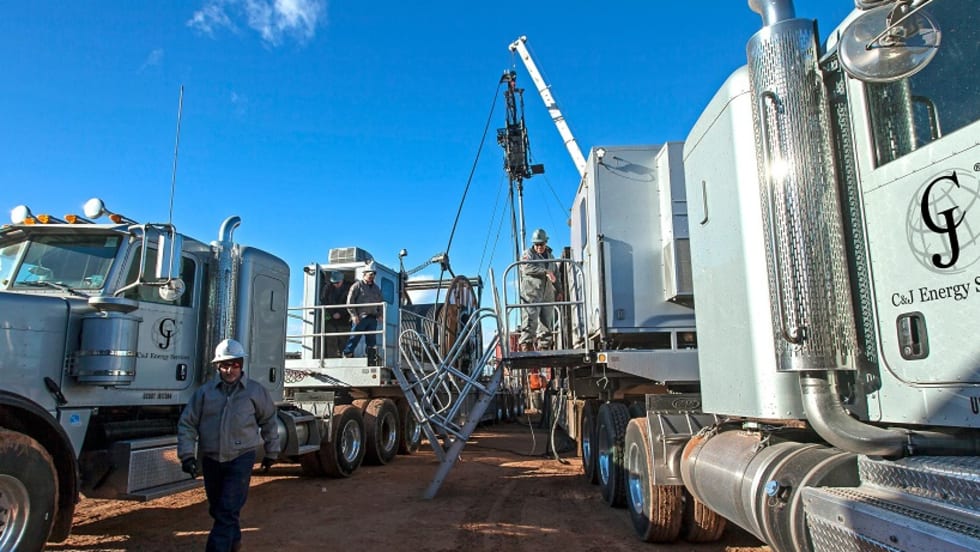
Read More →C&J Energy Services recently completed a successful transition to ELD-compliant devices. The Houston-based company is a provider of onshore well construction, well completions, well support, and other complementary oilfield services to oil and gas exploration and production companies.
Read More →Are you confused about personal conveyance? You're not alone. FMCSA significantly changed its guidance on this aspect of the hours of service rules. Here are some of the most important things you need to know.
Read More →Two compliance experts weigh in on key enforcement issues for electronic logs.
Read More →A new upgrade for the Penske Driver upgrade helps truckers get faster, easier roadside assistance.
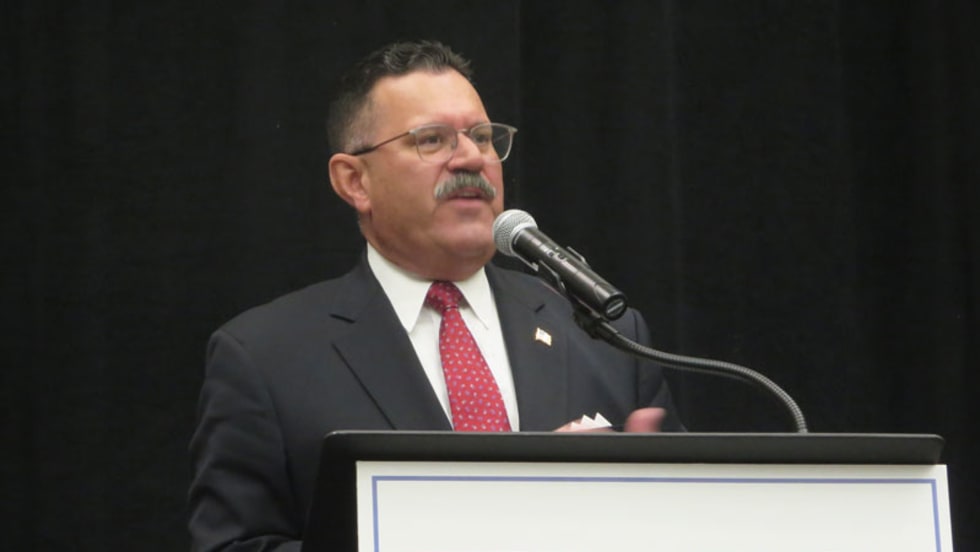
Read More →It’s rare that a government regulator gets a spontaneous ovation from a room packed full of trucking executives, but that’s exactly what happened Oct. 27 when Federal Motor Carrier Administrator Ray Martinez spoke during the American Trucking Associations’ Management Conference & Exhibition in Austin, Texas.
Read More →