


 MENU
 SEARCHMENUSEARCH
Loading data...

The Federal Motor Carrier Safety Administration has extended the public comment period for a recent proposed rulemaking that could potentially change hours of service rules for truck drivers.
Read More →
The Federal Motor Carrier Safety Administration announced a final rule that makes it easier for individuals with a stable insulin regimen and properly controlled insulin-treated diabetes mellitus to become qualified to operate a commercial vehicle in interstate commerce.
Read More →Under the Trump administration, regulatory activity at the FMCSA has decreased – but enforcement activity has increased, according to Dave Osiecki, president of Scopelitis Transportation Consulting, speaking at a session during the Trimble In.Sight user conference.
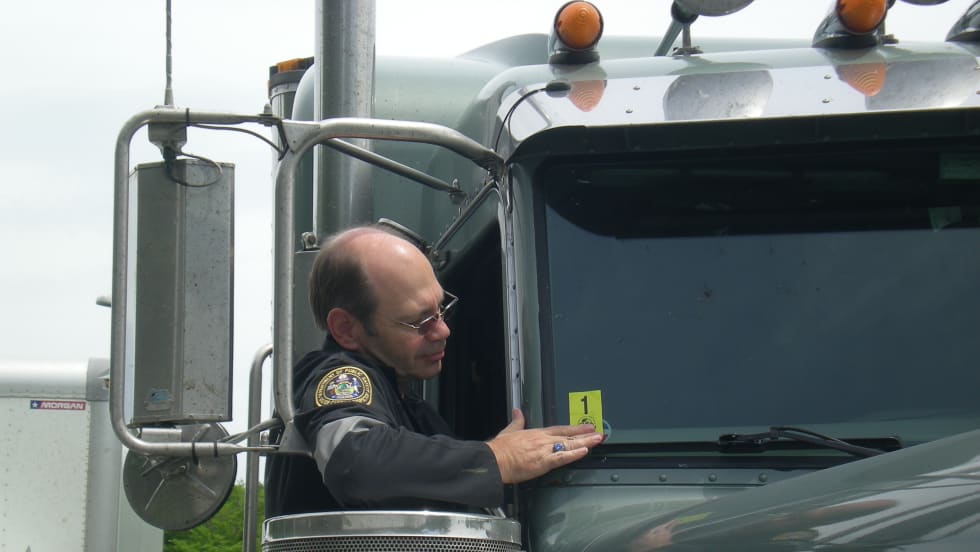
Read More →The Commercial Vehicle Safety Alliance is offering a course to train drivers on roadside requirements and out-of-service conditions.
Read More →A move by the White House to roll back automobile fuel-efficiency targets set by the Obama administration and to challenge the right of California and other states to set stricter tailpipe emission rules faces an uphill climb.
Read More →Several members of Congress have asked the inspector general of the Environmental Protection Agency to look into allegations that there was improper contact between Volvo Group, the Truck & Engine Manufacturers Association, and the EPA regarding the agency’s regulation of glider kits under its Greenhouse Gas Phase 2 rules.
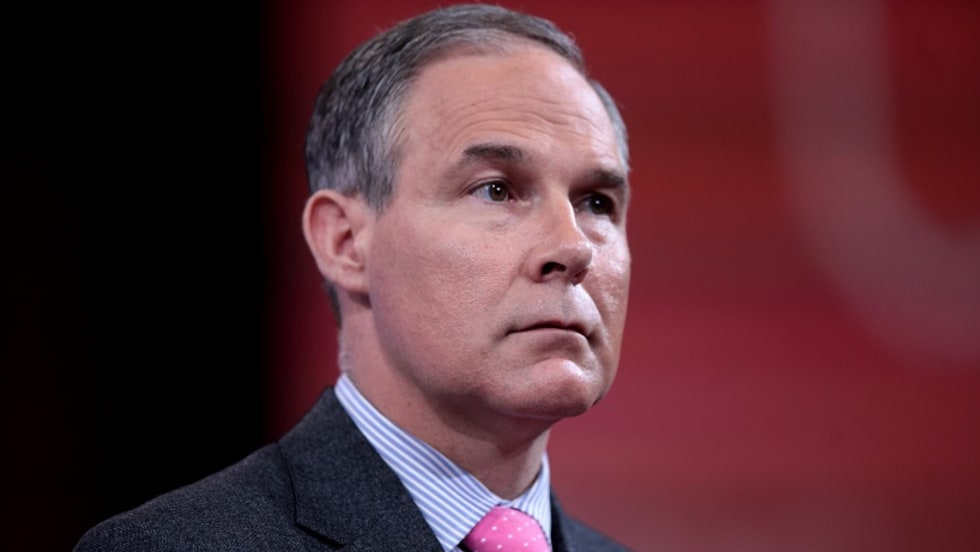
Read More →Environmental Protection Agency Administrator Scott Pruitt has resigned amid accusations of ethics violations while in the position.
Read More →The Owner-Operator Independent Drivers Association’s request for a broad exemption to the ELD mandate for small-business truckers has been denied.
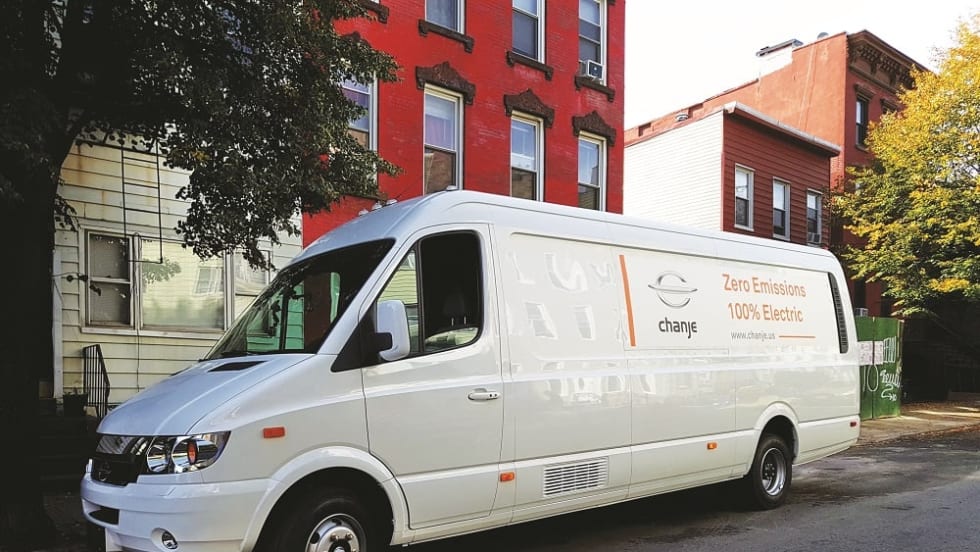
Read More →Battery-electric vehicles may be just the ticket for truck makers looking to meet Phase 2 of greenhouse gas emissions requirements in the medium-duty truck sector.
Read More →Faced with compliance pressures, truck makers will be pushing technologies that promote fuel efficiency — even if it’s something fleets don’t want.
Read More →