




Europe Proposes CO2 Emissions Standards for Commercial Trucks
The European Union aims to reduce CO2 emissions by 30% in just 12 years through the federation’s first proposed CO2 emissions standards.

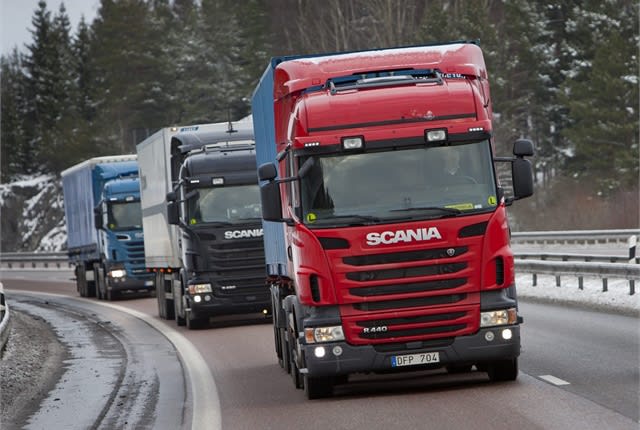
In order to meet goals set for the Paris Climate Agreement, the European Union has proposed its first CO2 emissions regulations for the heavy duty trucks. Photo: Scania
The European Union aims to reduce CO2 emissions by 30% in just 12 years through the federation’s first proposed CO2 emissions standards.
The proposed standards must be approved by individual EU member governments and the European Parliament. The E.U. previously had no overall regulations on fuel economy or CO2 emissions, but after agreeing to join the Paris Climate Agreement, it set a goal of a 40% reduction in overall greenhouse gas emissions by 2030.
Similar to EPA regulations in the U.S., a large part of the strategy to achieve these emissions goals was to set stringent standards for transportation, particularly the heavy-duty commercial sector, which accounts for a quarter of CO2 vehicle emissions in the E.U.
But some see the proposal as too aggressive.
The European Automobile Manufacturer’s Association (ACEA), which represents seven major EU heavy-duty vehicle manufacturers, has applauded the effort to reduce emissions, with targets set for 2025 and 2030. However, the group said it believes the goals are too ambitious and do not provide adequate time for development of heavy-duty trucks that can meet these standards.
“It would seem as though the Commission has simply taken the exact CO2 reduction levels it already proposed for cars and vans, and applied them directly to heavy-duty vehicles, without fully recognizing the fundamental differences between these vehicle segments,” said Erik Jonnaert, ACEA secretary general.
The International Road Transport Union, a group that represents the global road transport industry, also put its support behind the CO2 emissions standard and goals in theory. But the IRU also said that it was important that clean technologies not drive up vehicle prices beyond what operators can afford.
“The road transport industry will continue its exemplary efforts to make its operations more sustainable and efficient. New technologies must be commercially viable for the sector and sufficient time to transition needs to be accounted for,” said Matthias Maedge, who leads IRU’s work in the E.U.
Related: UPS to Deploy Electric Delivery Vehicles in London, Paris
More Fuel Smarts
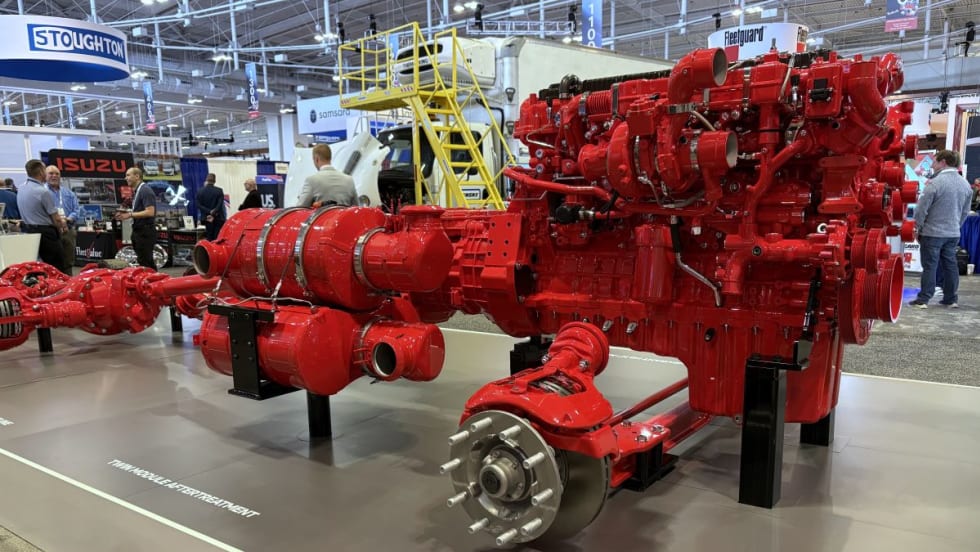
Cummins Adjusts 2027 Engine Rollout After EPA Proposal
The engine maker will gradually introduce its new Model Year 2027 diesel engines while continuing to offer current models during the transition, citing the EPA's proposed emissions rule changes.
Read More →
EPA Proposal Could Ease 2027 Truck Costs and Buying Uncertainty
The proposal doesn't change the tougher NOx standard, but it would revise key implementation requirements that manufacturers say have driven up costs and complicated fleet purchasing decisions.
Read More →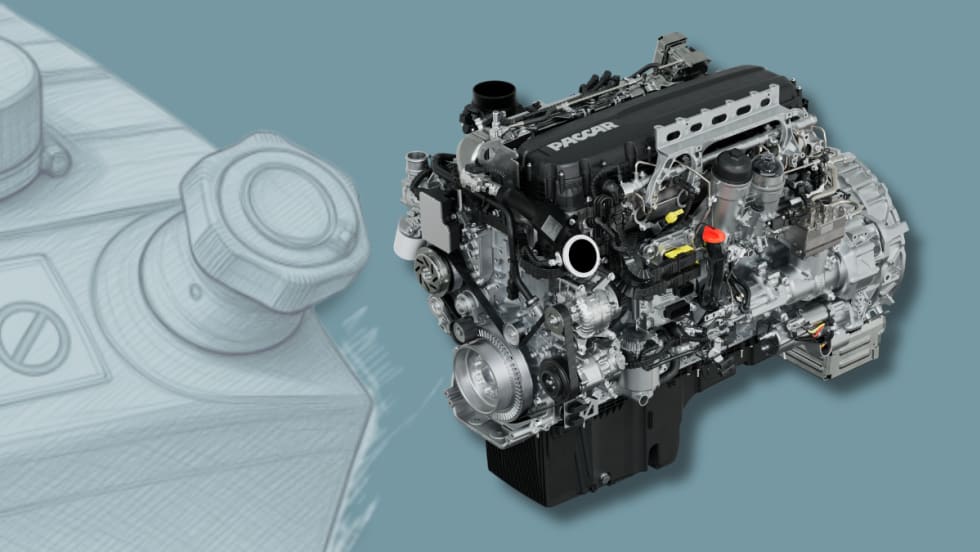
Cummins, Paccar Ease DEF Derates After EPA Guidance
Updated diesel engine software gives truck operators more time to address emissions-system issues while staying compliant with EPA emissions standards.
Read More →
Maintenance in the Messy Middle Part 3: Biodiesel
Biodiesel can reduce emissions, improve fuel-system lubricity and use existing diesel infrastructure. But NACFE’s Messy Middle maintenance report says fleets must actively manage storage, cold-weather operation, filters and oil drain intervals to avoid problems.
Read More →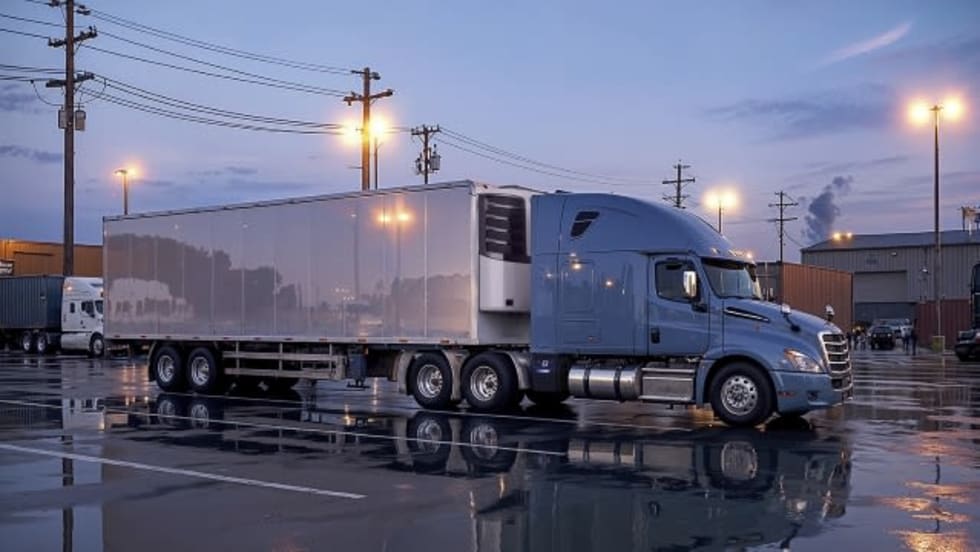
Enhance Fleet Performance with High-Efficiency Auxiliary Power Units
Drive sustainable cost savings while increasing driver comfort during short- and long-haul logistics operations.
Read More →
Maintenance in the ‘Messy Middle’ Part 2: Renewable Diesel Fuel
NACFE's latest Messy Middle Powertrain Service & Maintenance report says renewable diesel gives fleets an opportunity to reduce carbon emissions without changing trucks, fueling infrastructure or maintenance practices. But technicians still need to understand several important operational differences.
Read More →
The Diesel Engine Enters NACFE’s ‘Messy Middle’
NACFE’s new Messy Middle Powertrain Service & Maintenance report says keeping modern diesel engines running now depends as much on software, diagnostics and data as traditional mechanical service.
Read More →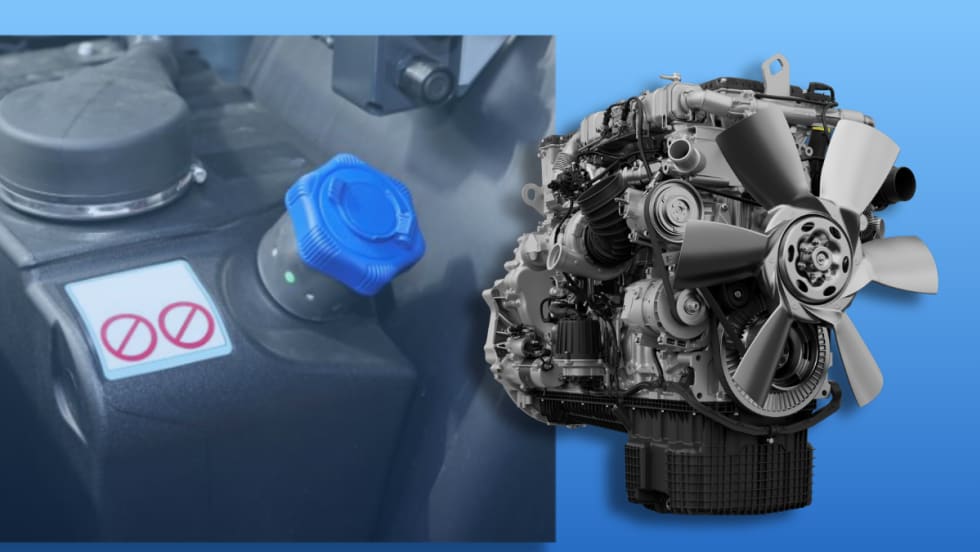
DTNA Software Update Gives Truckers More Time Before DEF Derates Take Effect
The changes reflect EPA guidance aimed at reducing downtime caused by emissions-system faults while maintaining compliance requirements.
Read More →
New Agentic Predictive Maintenance Report Demonstrates How Degraded Aftertreatment Systems Waste Fuel
Questar analyzed a large mixed-class fleet and discovered it was wasting as much as $30 in fuel per vehicle, per day, because of mechanically degraded aftertreatment systems.
Read More →
New York City's Microhub Project is Delivering Results
Trucking, last-mile delivery companies, and environmental advocates like what they are seeing so far with New York's microhub program.
Read More →