




Trailer Light-Out System Shown by Truck-Lite
Truck-Lite says its new Light-Out Detection System alerts drivers of one or more trailer lights that are dark. The system replaces the nose box and distributes power among lighting circuits, and signals a light-out condition by illuminating a warning lamp on the trailer’s nose.
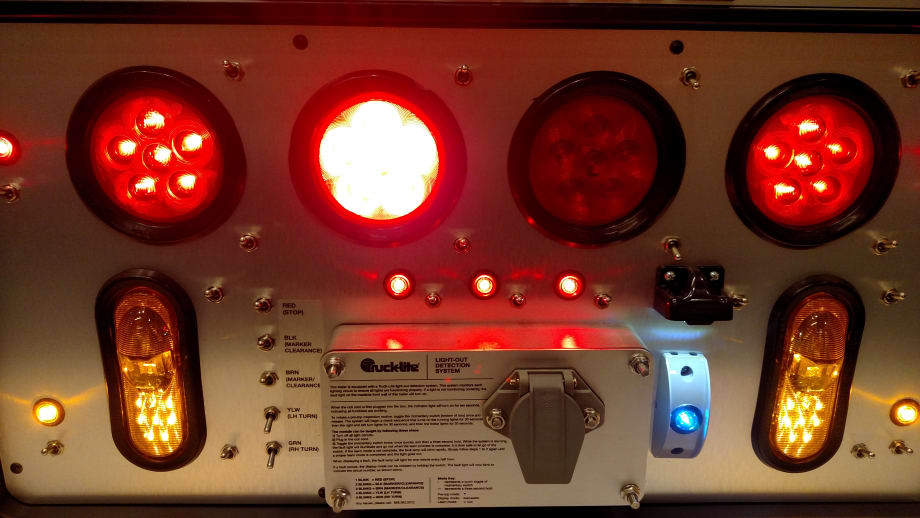
NASHVILLE -- Truck-Lite says its new Light-Out Detection System alerts drivers of one or more trailer lights that are dark, improving safety and reducing chances of citations and forced downtime. The system replaces the nose box and distributes power among lighting circuits, and signals a light-out condition by illuminating a warning lamp on the trailer’s nose.
Drivers can use the system during a pre-trip inspection by switching it into a test mode, which cycles all lights through a specified sequence, explained Brad Van Riper, senior vice president and chief technology officer at Truck-Lite, during an announcement at the ATA's Technology & Maintenance Council Annual Meeting Sunday. However, drivers should still look at each light to be sure each is physically sound as well as working, he noted.
If a light fails while a vehicle is moving down the road, a blue lamp on the trailer’s left-front corner illuminates so the driver can see it in the side-view mirror. He or she can then stop to find which light is out by observing a numerical flash-code the blue lamp is displaying. Instructions on the box identify the codes.
The driver than can seek repairs or instructions from company headquarters, hopefully before an inspector spots the defect. Lighting problems account for one-quarter of all defects that resulted in CSA penalties, Van Riper said.
The product works on trailers with LED lamps, not incandescent lights, he said.
The Light-Out Detection System will go into production in April. At first it will be a retrofitted product, and builders are expected to offer it on new trailers later.
Photo: Demonstration rig shows how failed tail/stop/signal light is detected by the Light-Out system, which illuminates a blue warning lamp visible by a driver.
More Products
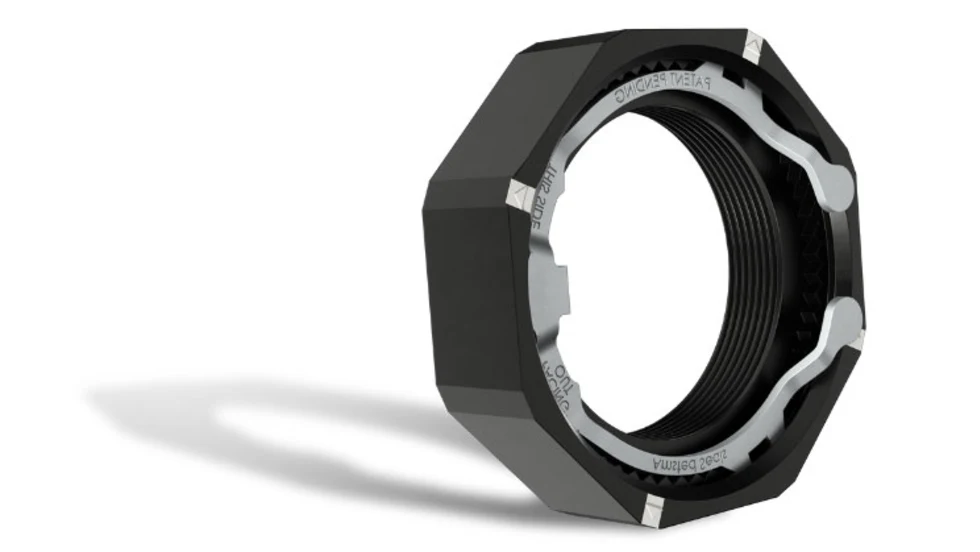
Amsted Seals Pro-Lock Axle Fastener Maintains Wheel-Bearing Adjustment
Amsted Seals Pro-Lock axle fastener limits wheel-bearing adjustment variability, extending the life of the tire and the wheel seal.
Read More →
Texa Releases Diagnostic Tool with Hands-Free Voice Control
Texa USA's launched the Axone Voice, a hand-free diagnostic device for heavy-duty technicians that features voice control and facial recognition.
Read More →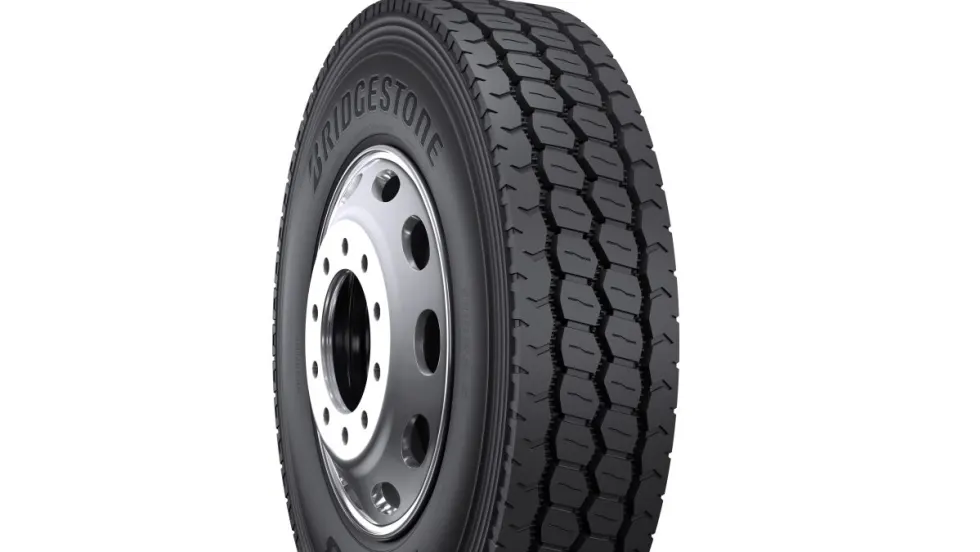
Bridgestone Introduces M863 All-Position Radial Tire
The Bridgestone M863 all-position radial tire is designed to help prevent stone drilling, promote traction on wet surfaces, and extend tread life for on-/off-highway fleets.
Read More →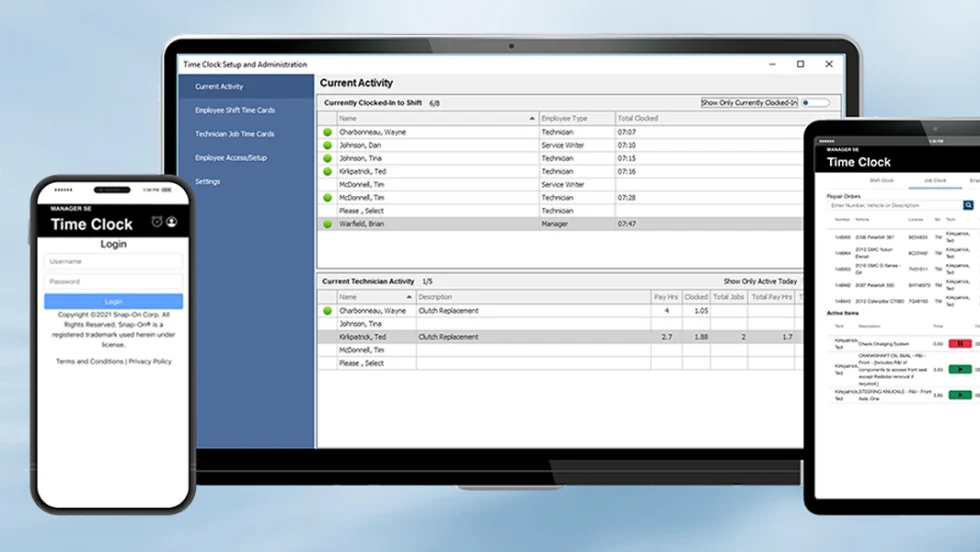
Mitchell 1 Adds Time Management Features to Shop Management Software
The latest release of Mitchell 1’s Manager SE Truck Edition truck shop management software includes new technician productivity tracking features.
Read More →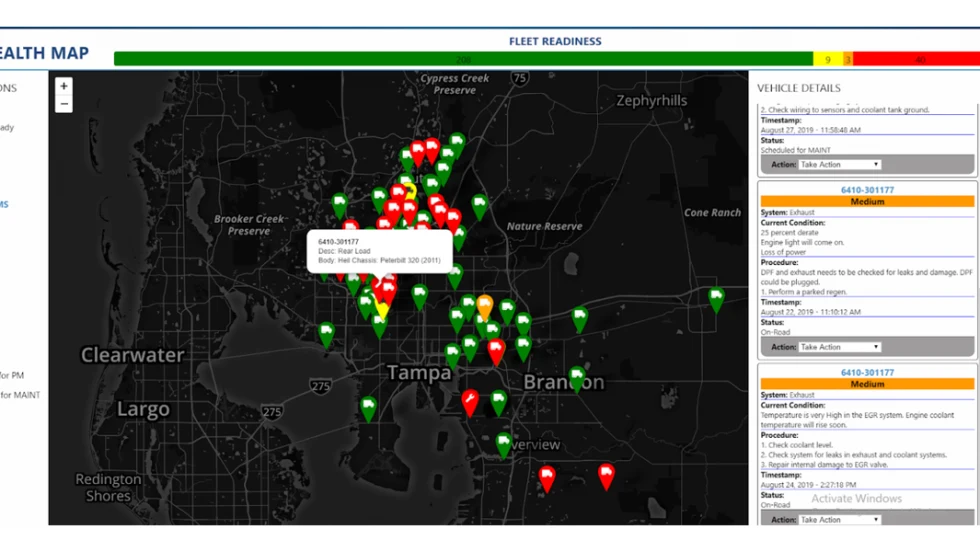
Optimum Fleet Health's Predictive Diagnostics
Optimum VRx is a predictive maintenance tool that detects maintenance concerns, predicts time to failure, and prescribes a detailed step-by-step solution up to four weeks in advance of component issues.
Read More →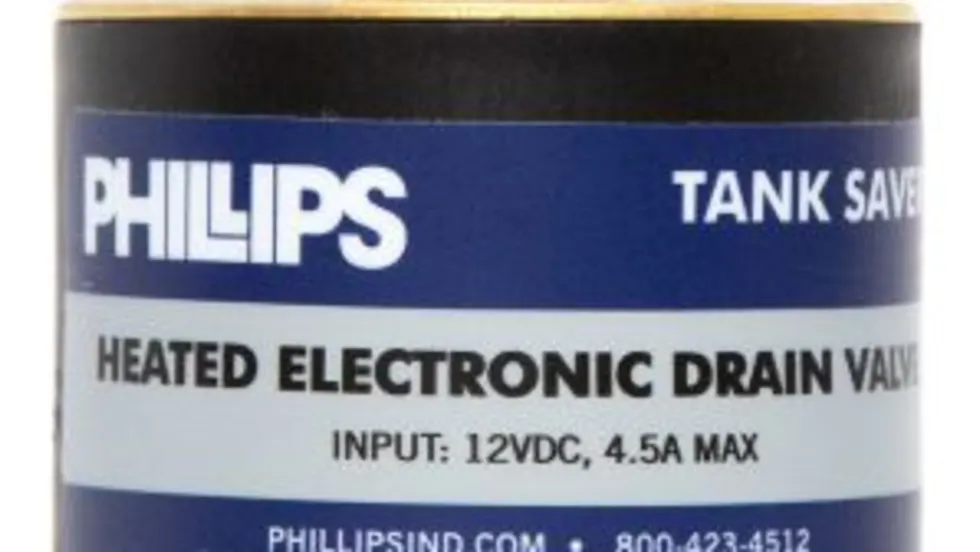
Tank Saver Purges Excess Moisture from Air System
Phillips Industries introduces the maintenance-free Tank Saver, a heated electronic drain valve that automatically purges excess moisture in air-operated systems.
Read More →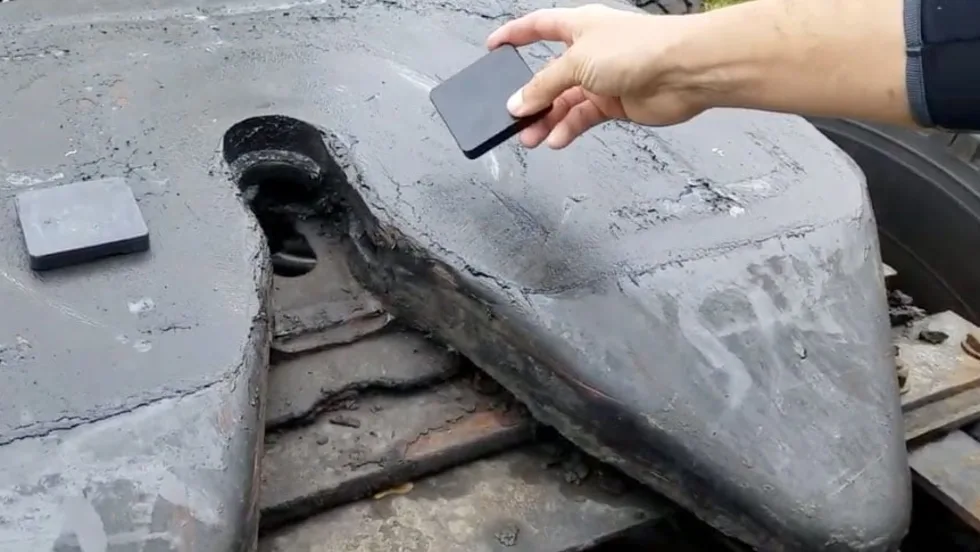
Fifth Wheel Soy Lube Pads Easy to Apply
A new soy-based fifth-wheel grease comes in easy-to-apply “pads.”
Read More →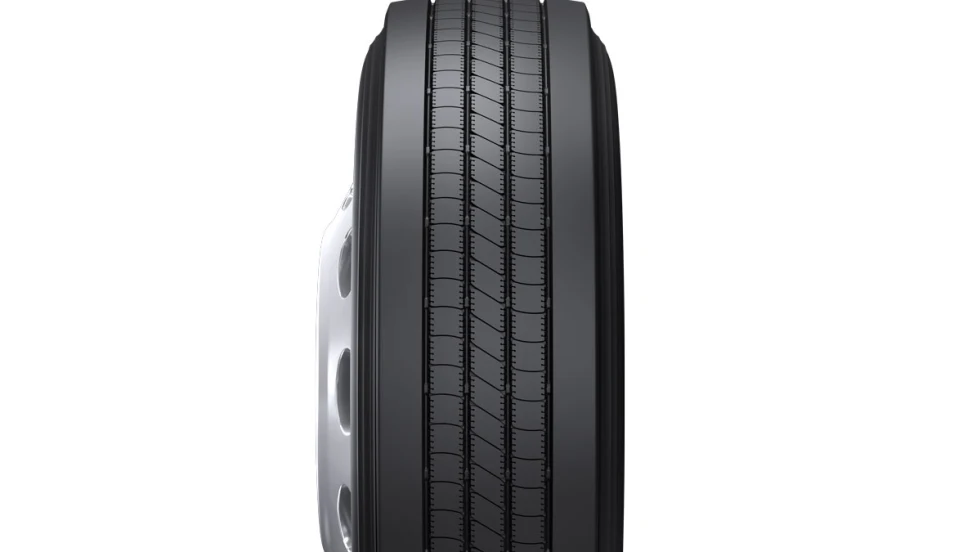
Bandag Fuel-Saving Retread to Work with Ecopia
Bridgestone has launched a new Bandag retread designed to complement the Bridgestone Ecopia Tire line for fuel savings.
Read More →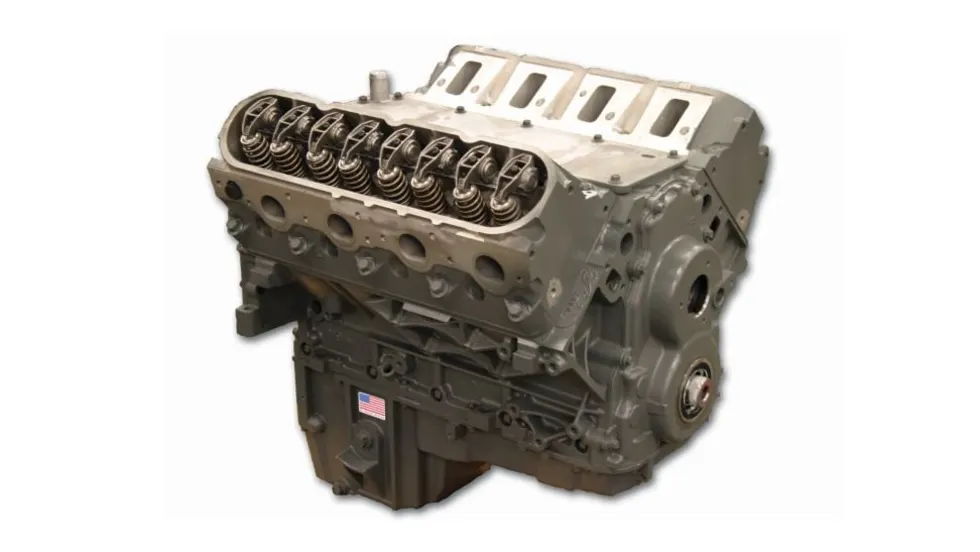
Jasper Offers Remanufactured Class 1 Engine
Jasper Engines & Transmissions releases General Motors (GM) Gen IV 5.3L Class 1 engine, with an available DOD/AFM Deleted option.
Read More →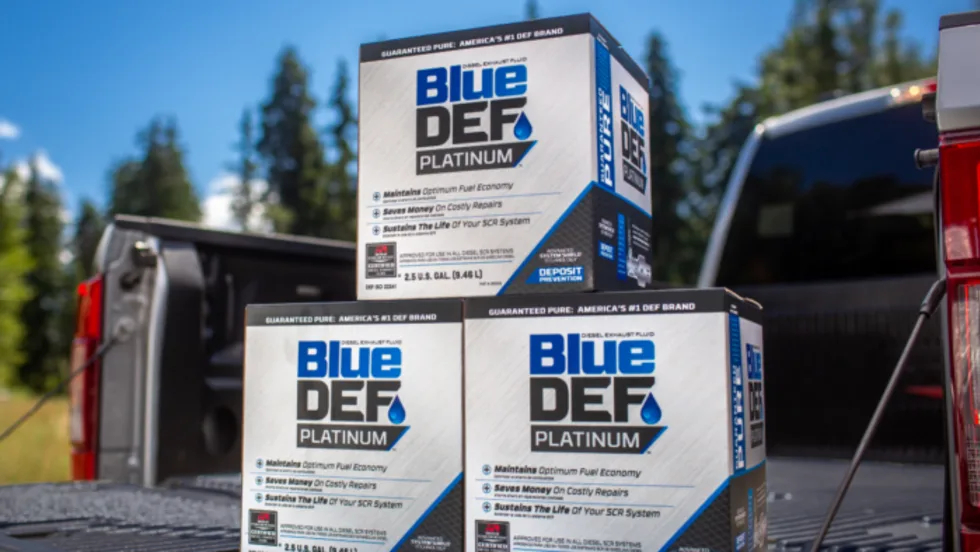
BlueDEF Platinum Addresses Deposit Problems
Old World Industries launched BlueDEF Platinum diesel exhaust fluid to address issues with deposit buildup.
Read More →