





Related: ZF Talks Electric Trucks
ZF to Provide Level 4 Autonomous Tech to Major Truck OEM by 2025
At CES in Las Vegas, ZF announced that it will be providing a major truck OEM with production-ready, Level 4 autonomous control systems in either 2024 or 2025.
January 7, 2020

ZF CEO Wolf-Henning Scheider speaks to the press during CES 2020 in Las Vegas.
Photo: ZF
2 min to read
At CES, the huge, annual, electronics show in Las Vegas, ZF announced a host of technological advances, including a confirmation that the German automotive systems supplier will be providing an “international commercial vehicle manufacturer” sometime in the 2024-2025 timeframe.
Depending on the application, the market demands different autonomous solutions for different types of vehicles, Wolf-Henning Scheider, CEO of ZF, told attendees at a press briefing during the how. For the time being, Scheider said, intelligent assistance functions, so-called Level 2+ systems, have the greatest potential for passenger cars. In contrast, fully automated systems of level 4 and higher will likely become established in commercial vehicles and urban passenger transport. He noted that these trends are being proven out by new orders which ZF has received from car and commercial vehicle manufacturers.
"In the case of commercial vehicles, we are already seeing strong demand for systems that make fully automated driving to Level 4 and higher possible," Scheider said. “While the use of fully automated passenger cars in public transport still depends on regulations, commercial vehicles can already operate in highly automated modes within closed areas or defined lanes. In addition, driverless transport at depots or in urban passenger transport offers savings potential that leads to a rapid amortization of system costs.”
In addition, Scheider said, based on the ZF ProAI supercomputer, ZF is currently developing the electronic control unit (ECU) for a Level 4 system for an international commercial vehicle manufacturer. The market launch is scheduled for in either 2024 or 2025.
ZF is also setting the course for faster and more comprehensive software development, Scheider announced.
Together with Microsoft, ZF plans to adapt the speed and quality of its processes, methods, and solutions in software engineering to the level of major IT companies. This change will enable ZF to use its global resources more efficiently and to more effectively respond to customer needs. In its cooperation with Microsoft, ZF uses Azure Cloud services and developer tools as well as Microsoft's experience in agile software development. In the future, ZF will also be a supplier of pure software products in the automotive market.
"The mobility industry continues to undergo major changes, Scheider said. “This is the reason why ZF, too, must continue to change, develop and drive transformation: We have to be able to convince our customers with innovations that offer them – and ultimately the end consumers – added value. And in the future, this will increasingly include software products and services.”
More Equipment
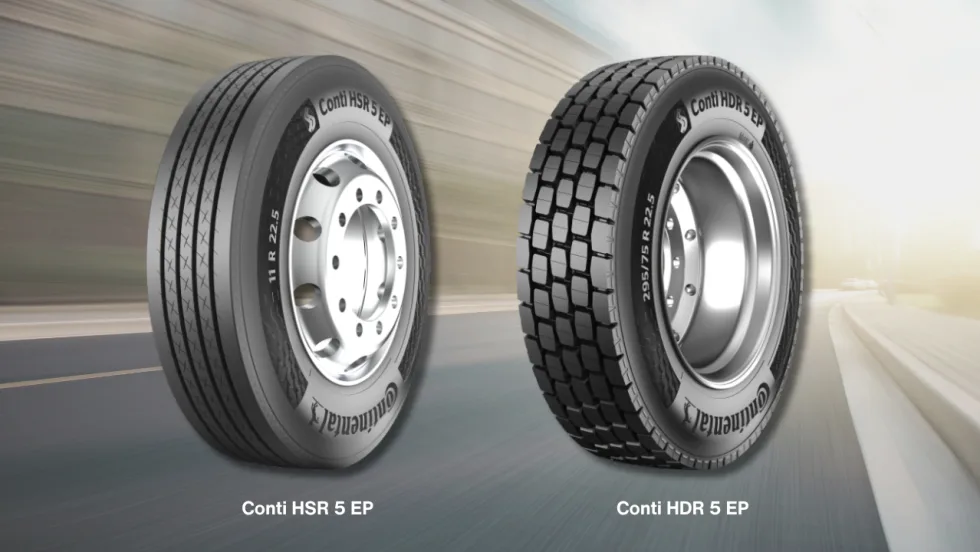
Continental Introduces New Regional Truck Tires
Continental says its new Generation 5 steer and drive tires for regional operations offer longer tread life, with estimated mileage gains of 22% and 19%, respectively.
Read More →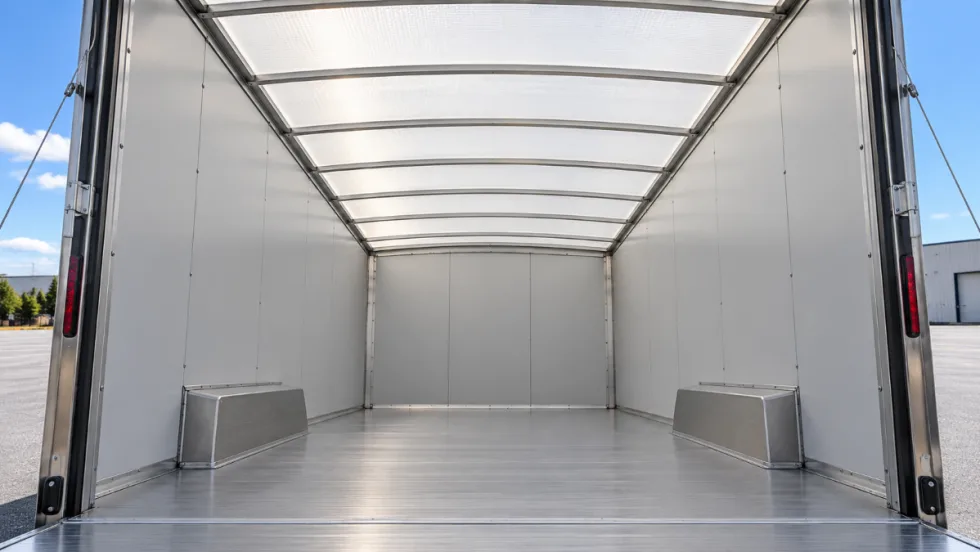
Tekmodo Introduces CargoBright Brand for Translucent Trailer Roofs
CargoBright is designed to diffuse daylight across the cargo area while performing as a working vehicle roof.
Read More →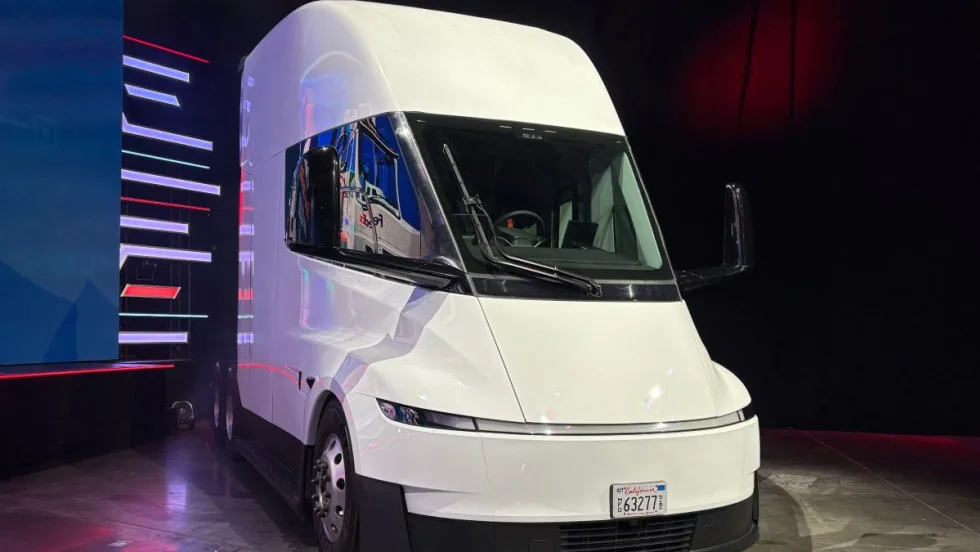
Fleet Economics Shape Electric Truck Outlook
ACT Research expects costs, charging infrastructure, and technology improvements to drive zero-emission commercial vehicle adoption as federal regulations and incentives retreat.
Read More →
Kodiak Targets Dallas–Houston for Driverless Trucks
The company says its autonomous trucks are completing the I-45 run without a safety observer taking control. It plans to remove the observer by the end of 2026.
Read More →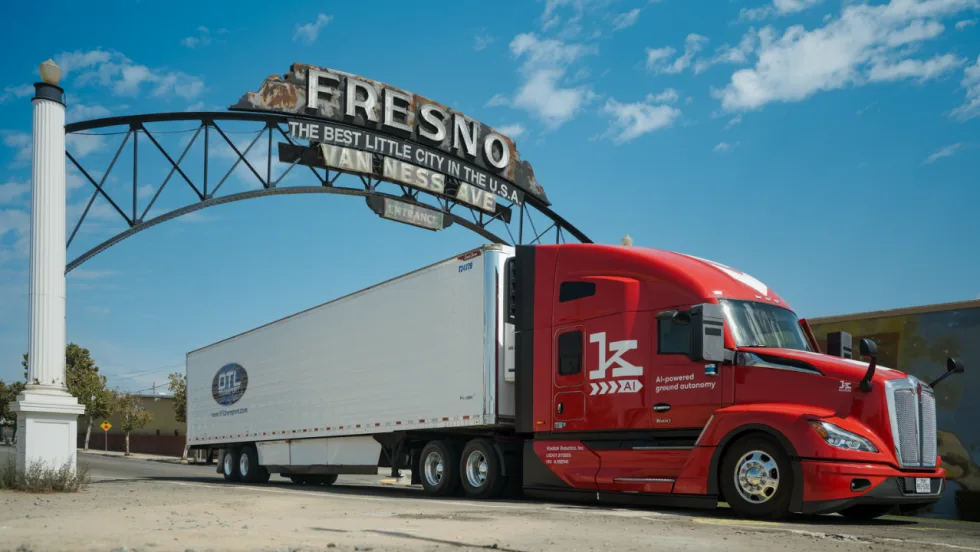
Kodiak Hauls Produce in California Autonomous Truck Pilot
Kodiak AI and DTL Transport have begun hauling produce between Fresno and Los Angeles under California’s new rules for testing heavy-duty autonomous trucks. A safety driver remains behind the wheel.
Read More →
Used-Truck Remarketing Math Is Changing
Used-truck value is no longer just a concern at trade-in. Decisions made throughout a truck’s first life can influence what it’s worth years later.
Read More →
How Volvo Updated Its D13 for EPA 2027 [Watch]
Volvo’s updated D13 promises lower emissions without sacrificing performance or fuel economy. Take a closer look at what changed inside the engine in this HDT Spotlight video.
Read More →
Michelin Tire Improves Efficiency and Durability for Regional Fleets
The Michelin X Multi Energy D2 is a regional haul drive tire engineered to help fleets improve fuel efficiency, durability and traction in demanding stop-and-go operations.
Read More →
ZF Expands Commercial Vehicle Push in North America
ZF is expanding its North American commercial-vehicle presence with new transmission applications, electrification, trailer technology and autonomous-driving systems.
Read More →
Tesla Wants a Self-Driving Semi. Are Cameras Enough?
Could Tesla’s camera-only autonomous driving technology work on an 80,000-pound Semi? In this commentary, HDT's Deborah Lockridge takes a look at Tesla, Cybercab, and how autonomous trucks see the road.
Read More →