




Western Hemisphere Hard Hit By Cargo Theft; Mixed in Asia and Europe
The U.S., Mexico, Brazil, South Africa, Russia, India and the United Kingdom are the countries that are most at risk for cargo theft globally, according to the 2010 Global Threat Assessment report released by FreightWatch International
The U.S., Mexico, Brazil, South Africa, Russia, India and the United Kingdom are the countries that are most at risk for cargo theft globally, according to the 2010 Global Threat Assessment report released by FreightWatch International.
The report found that while cargo theft rates increased dramatically in the Western Hemisphere between January and December 2009, in Europe and Asia, cargo theft rates have remained largely constant or in some cases have decreased.
The report points out that increased aggressiveness by cargo thieves is the primary reason for the soaring rates in the Americas while decreases in shipping and inconsistent reporting appear to impact the statistics in Europe and Asia.
"The risk shippers face can change dramatically from region to region," said Barry Conlon, CEO of FreightWatch. "It is imperative that corporations understand the global as well as local risks, and take proactive measures to keep in-transit cargo secure."
The U.S. saw an average of 72 cargo theft incidents per month in 2009, a gain of 12 percent, the most ever recorded.
The states with the highest risk for cargo theft in 2009 included California, Florida and Texas. Other states at risk were Georgia, Illinois, New Jersey, Tennessee and Pennsylvania.
While typically the majority of cargo theft have occurred at truckstops, in 2009, there were a noticeable increase in the number of cargo thefts occurring at terminal and distribution center lots and trailer drop lots. In the first half of 2009, there were 31 incidents in secured distribution center and terminal lots, while it increased to 62 incidents in the second half of the year. The report attributes the change to the proactive approach by cargo thieves to target loads at their points of origin through information collection and surveillance.
In the U.S. and Canada, most cargo thieves are non-confrontational and nonviolent and tend to target high-value loads through active surveillance and then follow the trailers until they are stopped and left unattended, according to the report.
In Mexico, however, cargo theft gangs are very confrontational, and use techniques such as "jump ups," fake police checkpoints, and armed hijackings. Cargo thieves are also known to involve corrupt police officers, the report said.
"Due to this fact, corporations must ensure their cargo security programs are tailored to meet the unique threat presented by their product and the geographical disposition," the report said.
The Annual Global Threat Assessment is an analytical review of cargo theft trends over a one-year period. The report, which is based on data collection and polling of industry and law enforcement personnel, is designed to provide industry personnel with an understanding of the risk faced by logistics operations at both the country and regional level.
More info: www.freightwatchintl.com
Read more about what you can do to prevent cargo theft in the June 2009 issue of Heavy Duty Trucking magazine, available online here.
More Safety & Compliance

FDA Eases Path for Oral-Fluid Testing
Federal actions could advance oral-fluid drug testing for truck drivers, but lab certification delays and marijuana rescheduling questions remain.
Read More →
Kodiak Lines Up Fleets for Driverless Trucking
An agreement for 75 trucks, a new Texas freight lane, and progress on safety validation move Kodiak closer to its planned driverless highway launch.
Read More →
More Trailer Data Through the Same Seven-Way [Video]
Can trucking’s standard seven-way connector handle more cameras and trailer data? Grote’s Adam Slade shows HDT how the company is using new technology with its 4See trailer system, not only to add a new backup camera but also to expand other capabilities — without adding another connection.
Read More →

PrePass Intelligence Mines Fleet Bypass, Toll and Safety Data
PrePass Intelligence helps fleets measure bypass savings, flag potential toll overcharges, and spot suspicious transactions by combining data from separate systems.
Read More →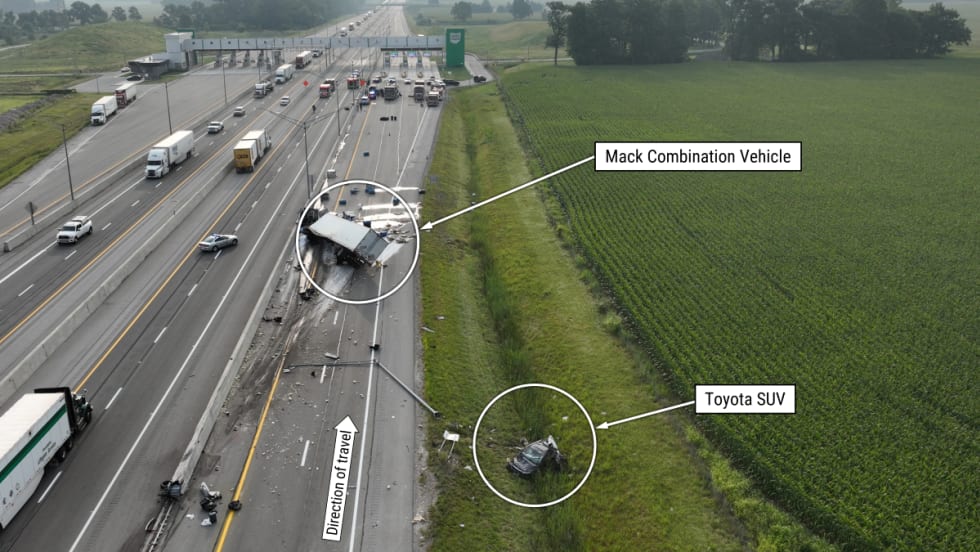
Fatal Crash Exposes Toll Plaza Risks
An NTSB investigation found that last-minute lane changes and large speed differences at an Ohio toll plaza created a hazard the truck driver couldn't avoid in time.
Read More →
When Language Stops the Truck: The Return of ELP Out-of-Service Orders
English language proficiency rules for commercial drivers aren’t new, but renewed out-of-service enforcement has raised the stakes. Here’s what carriers need to know before a driver reaches a roadside inspection.
Read More →
A Camera Isn't a Safety Program. Here's What Brokers Are Screening for Now
Footage alone may not be enough to pass broker vetting processes. Here's what counts as a defensible safety program now.
Read More →
Marijuana and Trucking’s Drug-Testing Dilemma
Marijuana is getting stronger, laws are changing, and drug tests still can’t reliably establish impairment. What does that mean for truck drivers and the fleets that employ them?
Read More →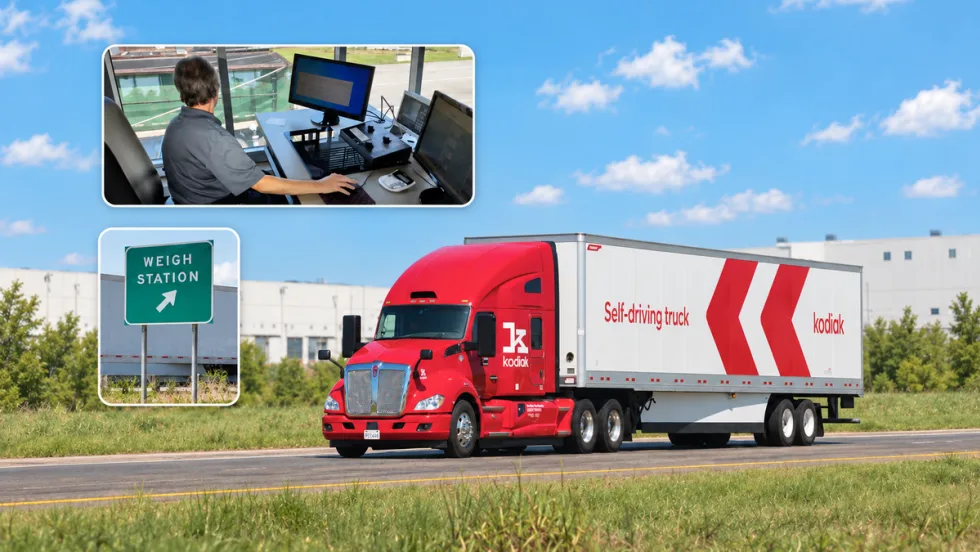
PrePass, Kodiak Connect Driverless Trucks to Roadside Enforcement
The system will allow enforcement agencies to verify Enhanced Inspection information and decide whether Kodiak’s autonomous trucks can bypass roadside screening sites.
Read More →
From One Generation to the Next: How Mentorship Builds Safer Truck Drivers
After three decades in trucking, Harold Perry shares what he's learned about driver safety, mentorship, and helping the next generation build confidence behind the wheel.
Read More →