





Related: DOT Issues Guidance on Drug and Alcohol Testing During COVID-19 Pandemic
Waiver Cuts Drug-Testing Costs for Rehiring Drivers as Business Ramps Back Up
The Federal Motor Carrier Safety Administration has issued a temporary waiver letting employers skip pre-employment drug testing for certain drivers as the economy works to recover from COVID-19 shutdowns.
June 8, 2020

FMCSA said giving motor carriers some flexibility in drug-testing drivers they are calling back from furlough will help the economic recovery.
Photo: Quest Diagnostics (file)
3 min to read
The Federal Motor Carrier Safety Administration has issued a temporary waiver letting employers skip pre-employment drug testing for certain drivers as the economy works to recover from COVID-19 shutdowns.
The waiver, which went into effect June 5 and ends on Sept. 30, extends the period under which drivers qualify for the pre-employment testing exception under 49 CFR 382.301(b) from 30 days to 90 days. This will allow employers to forego pre-employment testing for drivers who have participated in a controlled substances testing program within 90 days before hiring.
Ordinarily, section 382.301(b) allows an employer to forgo a pre-employment test if the driver has participated in a controlled substances testing program within the previous 30 days; and, if while participating in that program, the driver either was tested for controlled substances within the past six months or participated in the random controlled substances testing program for the previous 12 months. This waiver makes that 90 days instead of 30 days.
In addition, under the exception, the employer would be required to ensure that no prior employer of the driver has records of a violation of 49 CFR part 382 or the controlled substances use rule of another DOT agency within the previous six months.
The stay-at-home orders implemented to slow the spread of COVID-19 slashed demand for motor carrier services, causing many employers to impose layoffs, furloughs, or otherwise temporarily removed employees from performing safety-sensitive functions, resulting in their removal from the random pool for controlled substances and alcohol testing for a period greater than 30 days.
As employers begin calling these drivers back to work, they will incur the cost of conducting pre-employment controlled substances testing before using these drivers to perform safety-sensitive functions, as required by 49 CFR 382.301. The administrative and cost burdens of pre-employment testing for furloughed drivers outside the random testing pool for more than 30 days falls on motor carrier employers at the very time they are attempting to return to expanded levels of operation.
“As employers begin to recall drivers who were furloughed, laid off, or otherwise not working for the company for more than 30 days, the cost and logistical barriers of testing a large influx of drivers in a short timeframe are significant, at a time when the commercial trucking and motorcoach industry is facing unprecedented economic challenges,” noted the agency.
The exemption is in response to the May 19 White House Executive Order instructing the heads of all government to use the emergency authority the president has invoked in response to the COVID-19 outbreak to support the economic response as well. That order set forth “the policy of the United States to combat the economic consequences of COVID-19 with the same vigor and resourcefulness with which the fight against COVID-19 itself has been waged.”
The FMCSA notes in its exeption document that “allowing employers to forego pre-employment testing for drivers who were in a testing program within the previous 90 days will provide relief from the administrative burdens and costs associated with administering tests and allow them to return drivers to the workforce in a more efficient manner, thus promoting job creation and economic growth.”
More Safety & Compliance

Trump Administration Expands Homeland Security's Role in Trucking Enforcement
The administration's latest trucking crackdown goes beyond roadside inspections, expanding Homeland Security's role in commercial vehicle enforcement and investigations involving CDL training schools.
Read More →
Paccar Recalls 2027 Trucks Built This Summer for Possible Electrical Problem
The nearly 6,000 Kenworth and Peterbilt trucks in the recall could potentially lose engine power, among other things.
Read More →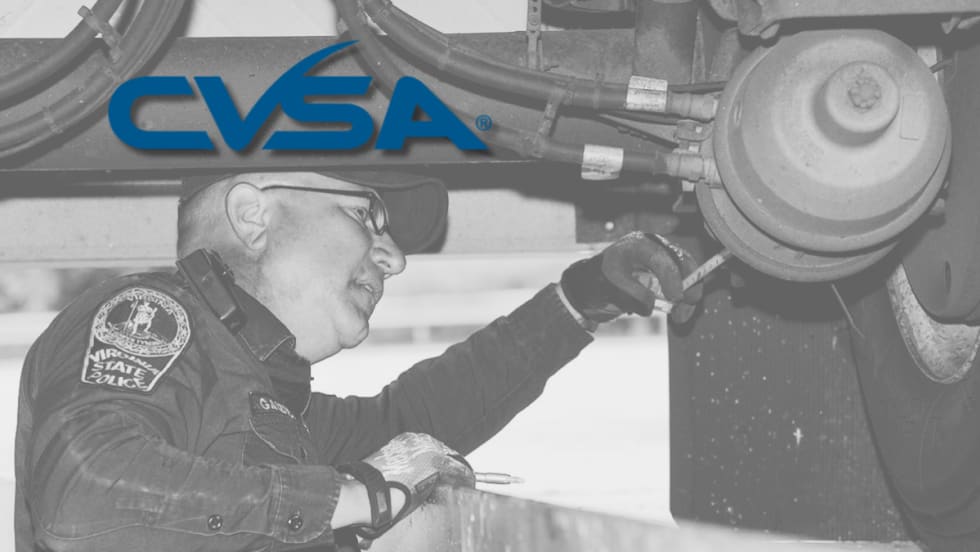
Brake Safety Week to Focus on Drums and Rotors
Commercial vehicle inspectors will be focusing on brakes during CVSA's Brake Safety Week, August 23-29.
Read More →
Trump Administration Looks to Put More Veterans Behind the Wheel
The Freedom Haulers program pulls together existing and expanded programs at several federal agencies to recruit veterans to drive commercial heavy-duty trucks and cut the red tape for them to get a CDL, training, and employment.
Read More →
$604 Million Verdict Tests Broker Liability After Supreme Court Ruling
C.H. Robinson plans to appeal after a Texas jury found it bore the largest share of responsibility for a fatal 2021 crash, in a case that follows the Supreme Court's Montgomery decision allowing negligent hiring claims against freight brokers.
Read More →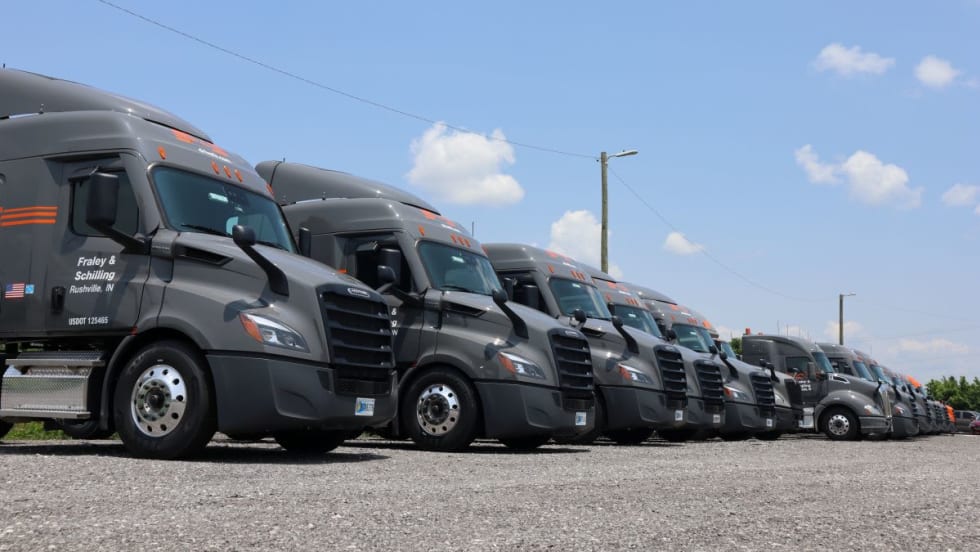
How Fraley & Schilling Improved Logbook Compliance by Over 50%
Fraley & Schilling needed a way to close a compliance workflow gap in its ELD system without adding more work from driver training, reminders, and back-office follow-ups. It found the answer in a custom driver app.
Read More →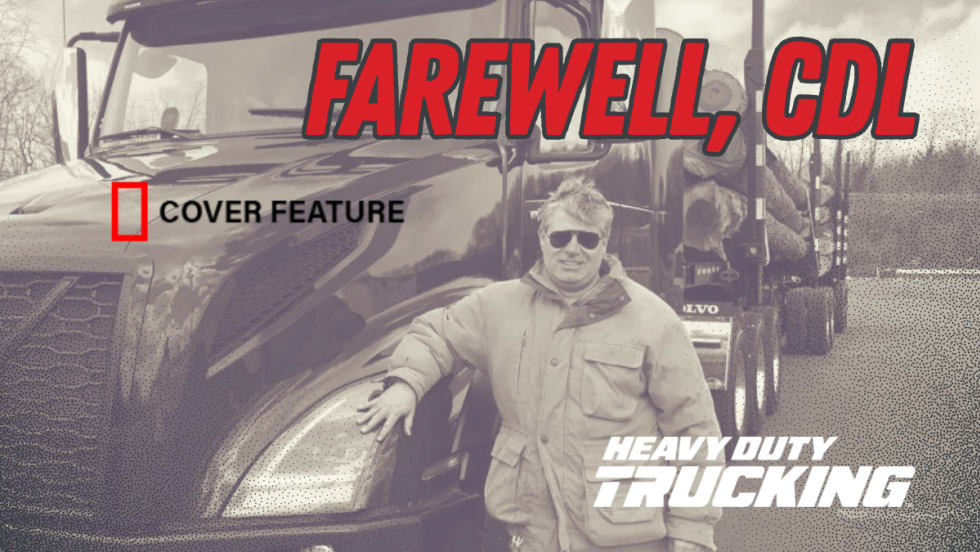
Farewell, CDL: Why I'm Giving Up My Commercial Driver's License
After more than 20 years as a CDL holder, HDT Executive Editor Jack Roberts is letting his commercial license expire. Not because he wants to — but because trucking's nuclear verdict crisis has made the risks of public-road test drives too great for editors, manufacturers, and everyone involved.
Read More →
Enhance Fleet Performance with High-Efficiency Auxiliary Power Units
Drive sustainable cost savings while increasing driver comfort during short- and long-haul logistics operations.
Read More →
Wabash Trailers Recalled for Improperly Installed Underride Guards
More than 900 Wabash dry van trailers may not comply with the Federal Motor Vehicle Safety Standard for rear impact guards.
Read More →
Why K&B Trucking Is Embracing AI and Driver Safety Technology
Crunching data and embracing artificial intelligence are key in K&B Trucking's safety efforts, says the company's safety director.
Read More →