





Related: Backlogs to Drive Truck Builds to 300K+, Says Mack's Randall
Volvo Highlights Support for Truck Fleet Electrification
Volvo has developed a comprehensive, integrated sales and services solution to help trucking fleets ease into electromobility.
October 4, 2022

Volvo is working to integrate itself into every aspect of battery-electric truck acquisitions for fleets.
Photo: Jack Roberts
5 min to read
Volvo Trucks North America staked out an early leadership position in the race to develop Class 8 electric trucks and bring them to market. Now the company is moving beyond simply selling trucks. It’s offering a solutions-based approach to acquiring, operating and servicing electric trucks to help fleets understand and deploy this new technology effectively.
At a day-long press event at Volvo’s New River Valley plant, which manufactures the company’s North American product line, Volvo outlined a series of sales, service and support packages designed to touch on every aspect of electric truck ownership. These new services begin long before the trucks are even purchased, with help in dealing with government incentives, working with local power companies and municipalities to nail down charging infrastructure, purchase and lease options, a comprehensive maintenance program, and even help in obtaining specialized insurance for electric trucks.
Looking for a Soft Landing for Trucking
With the end of 2022 fast approaching, Peter Voorhoeve, president and CEO of Volvo Trucks North America, opened the day by looking over the year in review and offering some thoughts as to the state of the industry in 2023.
Citing several economic factors, Voorhoeve said he thought a recession was likely in the coming 14 months, but he noted that wasn’t necessarily a bad thing.
“The economy needs to slow down a bit,” he said. “We cannot maintain this pace we’ve had for the past couple of years with a strong economy while constantly looking for workers and dealing with supply chain issues. So, I think a cooling off period would be a good thing. And I believe that can happen with a ‘soft landing’ that would be beneficial for trucking.”
Looking at current Class 8 production numbers in the waning months of 2022, Voorhoeve said he thinks the year will close out with sales somewhere north of the 250,000-unit mark.
“There are lots of economic alarm bells and signals. I believe a recession is coming. But the truck business in 2023 will be at least the same level as 2022.”
’Zero Accidents. Zero Emissions.’
Turning to the subject at hand, Voorhoeve reiterated Volvo’s commitment to decarbonize the transportation sector by reducing the company’s CO2 emissions 50% by 2030, and by 100% by 2040. Doing so requires an all-in commitment to sustainability in all aspects of Volvo’s operations, on a global scale, Voorhoeve added. This includes carbon-free manufacturing and landfill-free operations, 100% renewable energy electricity sites throughout the U.S., and ongoing internal education to make environmental and sustainability a natural part of all Volvo employee actions.
“Our mission is simple,” Voorhoeve said. “Zero accidents. Zero emissions. Sustainability has to be more than just a marketing slogan,” he stressed. “I want it to be visible in everything that we do. If a customer comes into a Volvo dealership, I want them to see right away that sustainability is an integral part of our business model. We don’t just talk about these things. We do them.”
Volvo is now actively selling the widest range of Class 8 electric truck configurations in North America, Voorhoeve added. These include VNR Electric options with four or six battery packs, with both straight truck and tractor models ranging from 33,000 lbs. GVW to 82,000 lbs. GCW.
Fleets — including many high-profile ones — are using Volvo VNR Electric trucks in day-to-day operations all across North America, Voorhoeve said. But, he added, fleets that have not yet ventured into new electric trucks still have many questions about this new technology.

The Volvo VNR Electric is available with four or six battery packs, with both straight truck and tractor models.
Photo: Jack Roberts
“Fleets are unsure of what level of investment they need to make today,” he said. “There is a real lack of repair and maintenance cost understanding. They only have limited visibility into future battery-electric vehicle trends and advancements. They are not sure how to secure incentives to help with acquiring the trucks. To help them, we must do more than just sell trucks today. Now, our mission is to help our customers with decarbonized transport solutions.”
Advice and Support at Every EV Milestone
Several Volvo offerings back up this approach. This includes a variety of loan options for purchased trucks as well as both open- and closed-end lease options. Volvo is also helping fleets navigate various state and federal EV incentive offerings, which can save anywhere from $20,000 to $60,000 on the cost of a new electric truck, Voorhoeve said.
In order to help fleets offset unforeseen costs usually associated with new technologies, Volvo’s Gold Contract, an integral part of any VNR Electric lease or purchase, covers every aspect of the truck except for tires and glass, including maintenance and repairs, towing, and battery life/health management.

Peter Voorhooeve, president and CEO of Volvo Trucks North America, said fleets have many questions about all aspects of electric truck purchases and operations – and that Volvo was working to provide solutions for them at every step through that acquisition and operational journey.
Photo: Jack Roberts
Voorhoeve noted that Volvo already has 18 dealerships in North America certified to work on electric trucks. All Gold Contract work is performed by these dealerships using Volvo parts and recommended service procedures. The dealer is reimbursed for the work by Volvo, so there is no cost to the fleet. Everything is covered under the agreement, which locks in parts and labor costs at the outset, so they remained fixed, regardless of inflation, market demands or supply chain issues.
Volvo is stepping up its telematics and connectivity capabilities in order to support electric trucks in real time and help drivers and fleets mitigate early “range anxiety” issues. This includes route simulation ahead of electric truck deployments to identify the routes best suited for electric trucks. Real-time monitoring of electrics on the job provides low state-of-charge alerts.
On the infrastructure front, Volvo is working with fleets to help begin discussions with power companies on adding EV infrastructure, as well as multiple charging options, including direct-current, fast-charging solutions from as little to one hour to seven hours for a full battery charge, or slow-charging options that deliver a full state of charge overnight. A new program lets fleets order charging hardware solutions directly from Volvo Trucks dealers when they purchase VNR Electric trucks.
In short, Vorhooeve said, Volvo is working to integrate itself into every aspect of EV truck acquisitions for fleets, from small carriers who simply want to experiment with the technology, up to large, national fleets with aggressive sustainability goals to meet in the near future.
More Equipment
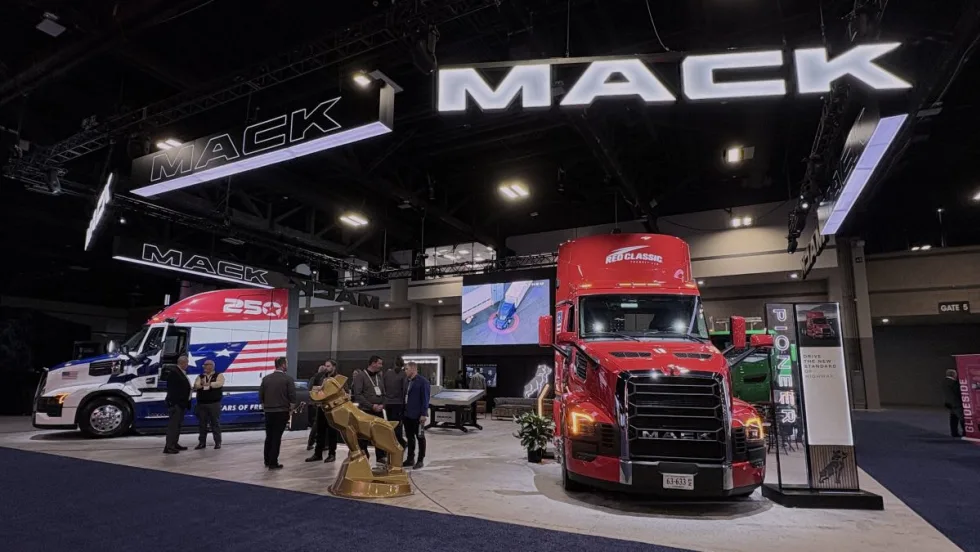
Trucks at ATA's 2026 MC&E in Charlotte, North Carolina [Photos]
From rigs decked out in patriotic America's 250 paint schemes to autonomous trucks and more, check out these photos from ATA's 2026 Management Conference & Exhibition.
Read More →
Help HDT Find Trucking’s Top Products
Have you come across a new product that could make a difference for trucking fleets? Nominate it for HDT’s 2027 Top 20 Products Awards by November 9.
Read More →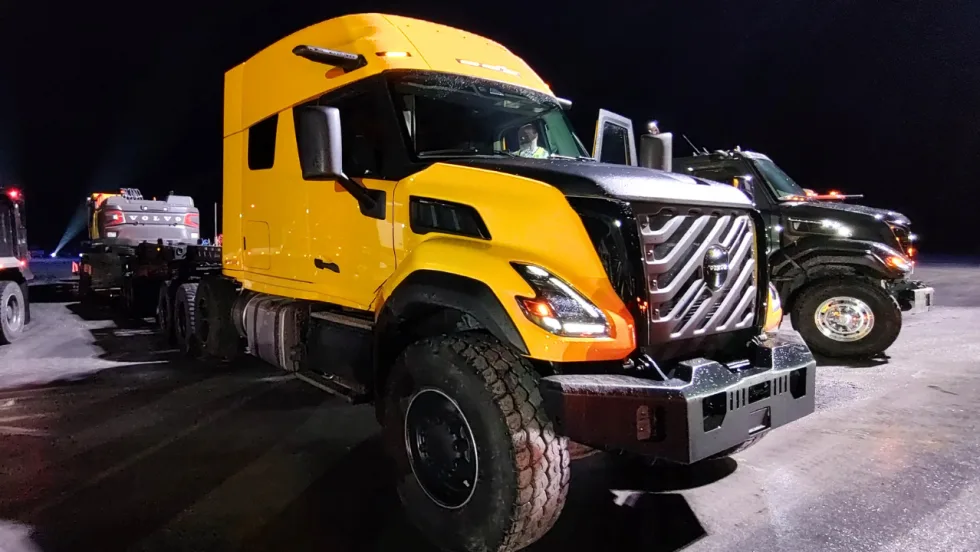
Volvo Unveils New VNX Heavy-Haul and Vocational Truck
Volvo Trucks has launched the VNX, a new vocational truck also available as a tractor in day cab and two sleeper configurations, with one heavy-haul model. The Volvo VNX is powered by Volvo's D13 platform, which delivers up to 540 horsepower and 1,950 pound-feet of torque and is EPA 2027-compliant.
Read More →
How GP Transco Cuts Trucking Fuel Costs, a Tenth of a Gallon at a Time
What’s another tenth of a mile per gallon worth? GP Transco shares how equipment upgrades and driver coaching turn small gains into meaningful fuel savings.
Read More →
Electric Yard Tractors Move Beyond Pilots
Operating-cost savings have overtaken sustainability goals as the leading reason surveyed fleets are adopting battery-electric terminal tractors, according to new NACFE research.
Read More →
Continental Introduces New Regional Truck Tires
Continental says its new Generation 5 steer and drive tires for regional operations offer longer tread life, with estimated mileage gains of 22% and 19%, respectively.
Read More →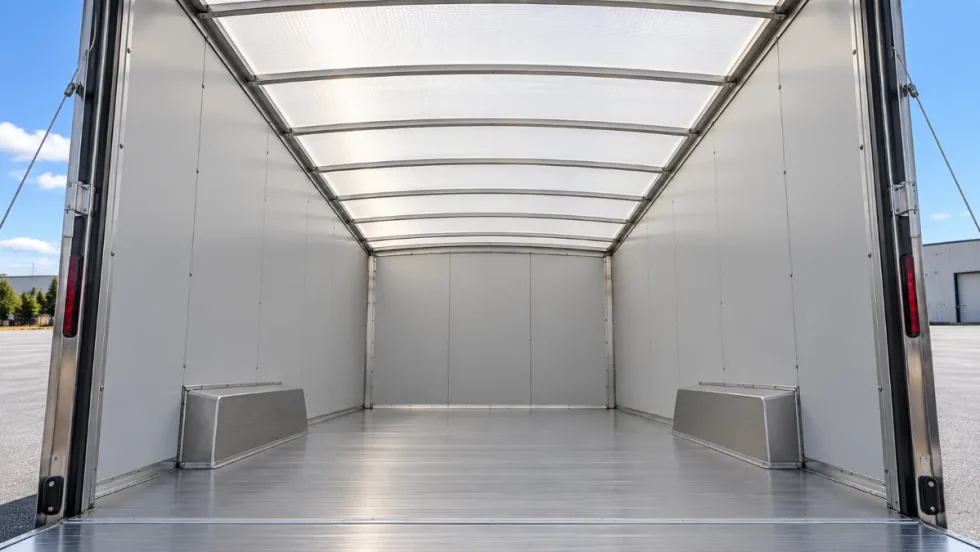
Tekmodo Introduces CargoBright Brand for Translucent Trailer Roofs
CargoBright is designed to diffuse daylight across the cargo area while performing as a working vehicle roof.
Read More →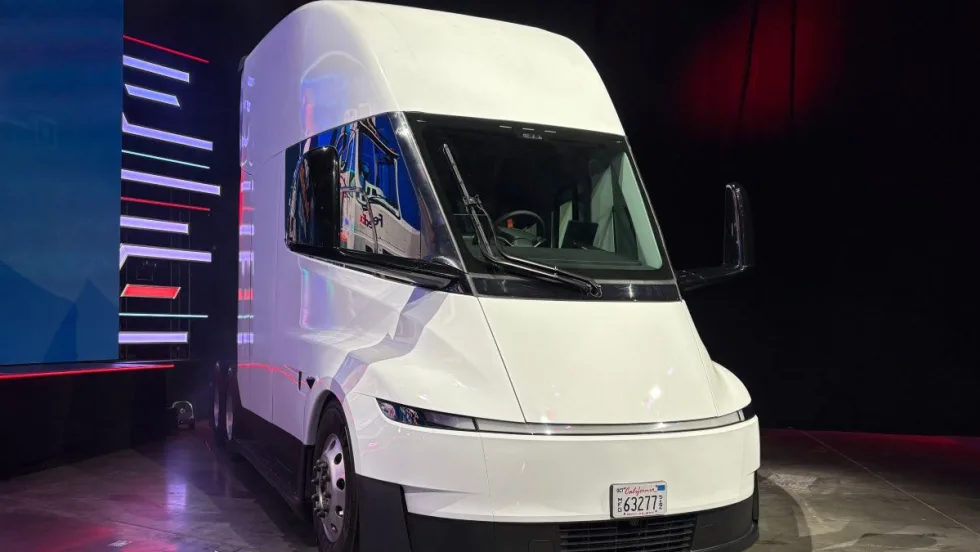
Fleet Economics Shape Electric Truck Outlook
ACT Research expects costs, charging infrastructure, and technology improvements to drive zero-emission commercial vehicle adoption as federal regulations and incentives retreat.
Read More →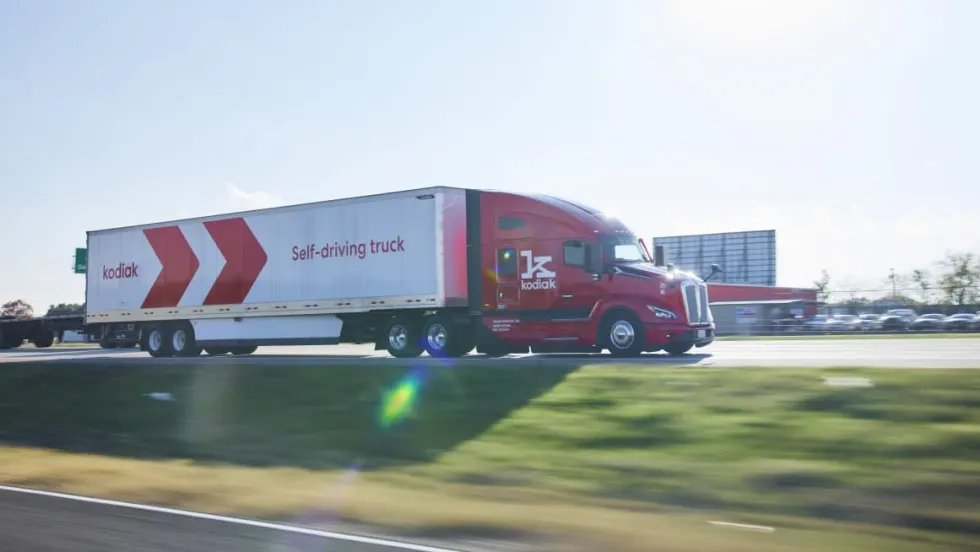
Kodiak Targets Dallas–Houston for Driverless Trucks
The company says its autonomous trucks are completing the I-45 run without a safety observer taking control. It plans to remove the observer by the end of 2026.
Read More →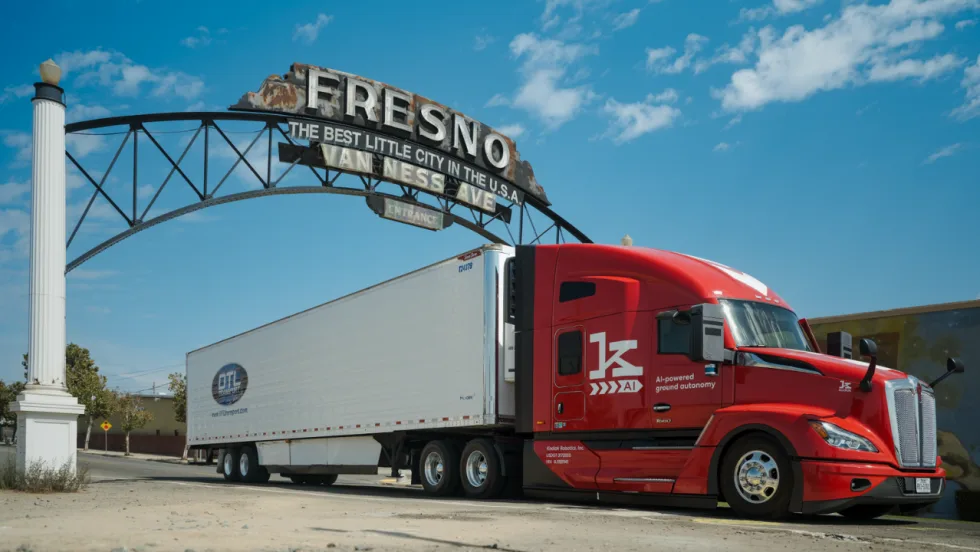
Kodiak Hauls Produce in California Autonomous Truck Pilot
Kodiak AI and DTL Transport have begun hauling produce between Fresno and Los Angeles under California’s new rules for testing heavy-duty autonomous trucks. A safety driver remains behind the wheel.
Read More →