




USA Truck Announces First Quarter Results
USA Truck Inc., Van Buren, Ark., announced base revenue of $94.5 million for the first quarter ended March 31, 2007, a decrease of 2.4 percent from $96.8 million for the same quarter of 2006.
USA Truck Inc., Van Buren, Ark., announced base revenue of $94.5 million for the first quarter ended March 31, 2007, a decrease of 2.4 percent from $96.8 million for the same quarter of 2006.
Net income decreased 97.7 percent from $3.4 million for the quarter ended March 31, 2006 to $0.08 million for the same quarter of 2007. Diluted earnings per share decreased 96.7 percent from $0.30 for the quarter ended March 31, 2006 to $0.01 for the same quarter of 2007.
In comparing the financial results of the quarter ended March 31, 2007 to the comparable period of 2006, Jerry D. Orler, president and CEO of the company, made the following statement:
"Demand for truckload services was softer than any quarter we have experienced in several years. However, freight demand did improve from lows in January and February to a steadier freight environment in March.
"We began the first quarter with more fleet capacity than freight availability. That imbalance was caused by our fleet growth in 2006, our firm stance on rate increases in 2006 and the decelerating freight conditions over the last few quarters.
"Compounding this problem, we manned over 100 additional tractors that did not previously have drivers during the fourth quarter of 2006, which increased the imbalance between fleet capacity and freight availability, effectively adding 4.3 percent capacity to our fleet during a soft freight environment. In response to that series of events, we implemented a number of internal programs with the goal of balancing fleet capacity and freight availability by March 31. Due to the improving freight environment in March and the progress achieved with our internal programs, we substantially regained that balance at quarter-end. We will now focus our efforts on freight selection in the coming quarters."
More Drivers

New Independent Contractor Rule Gives Trucking More Clarity
The Labor Department is once again changing how it determines who's an independent contractor. This time, the rule includes specific examples addressing trucking safety requirements, CDLs, and lease-purchase agreements.

Catching Driver Fatigue is One Thing. What You Do Next Matters Just as Much
Fleets are getting better at detecting driver drowsiness. Few have figured out what should happen next, and that gap is where the real risk still lives.

133 ELDs Revoked as ATA Pushes Certification Reform
FMCSA just removed a record number of electronic logging devices from its registry. ATA says it's time to rethink how ELDs get approved in the first place.

CVSA Sets 2027 International Roadcheck Dates
The annual 72-hour truck inspection blitz will take place May 11–13 across North America. Here's what fleets can expect and what inspectors found during the 2026 event.

FDA Eases Path for Oral-Fluid Testing
Federal actions could advance oral-fluid drug testing for truck drivers, but lab certification delays and marijuana rescheduling questions remain.

Why Hiring Truck Drivers Is Getting Harder
Higher recruiting costs, a shrinking driver pool, and renewed pay competition are raising the stakes for fleets heading into 2027.
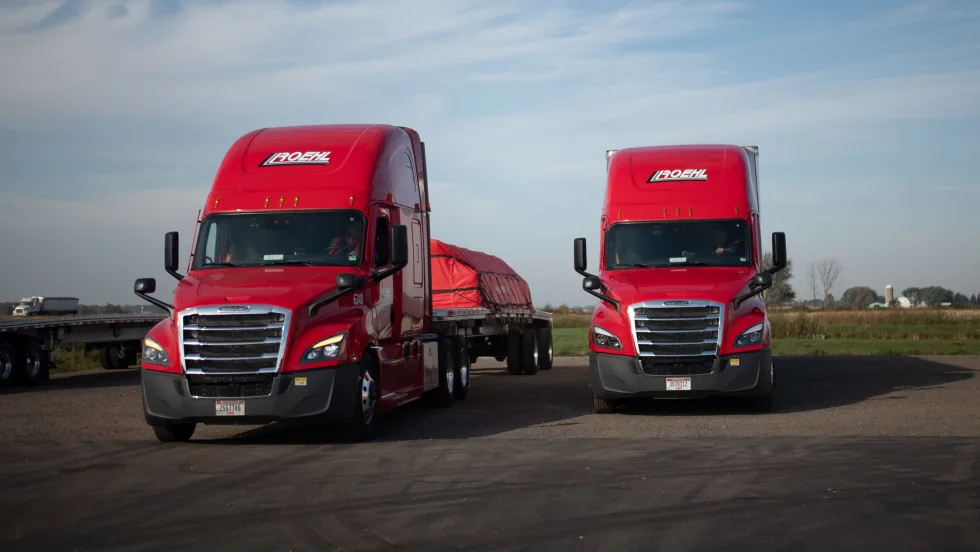
Roehl Offers Truck Drivers $10,000 Retention Incentive
Payments begin after the first load and continue in mileage-based installments for eligible experienced drivers joining the fleet.
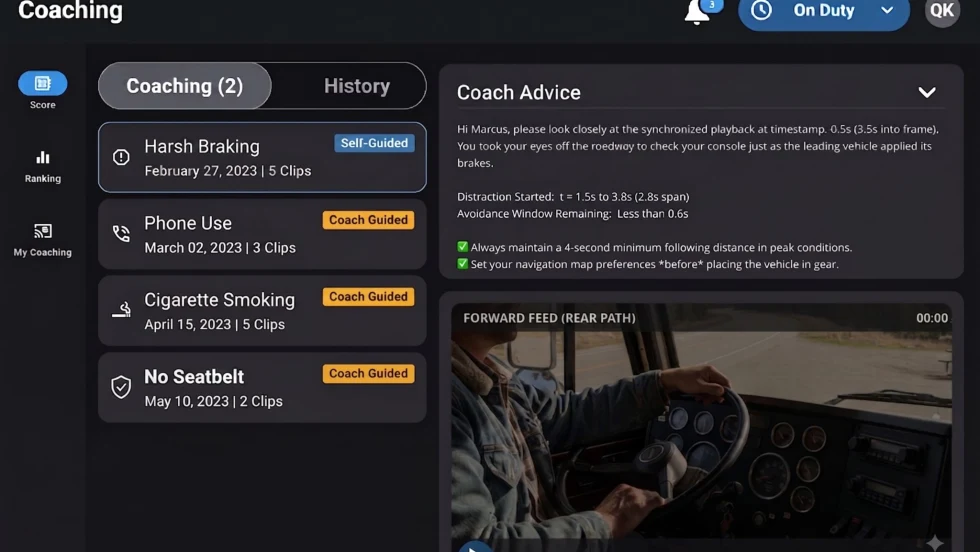
Platform Science Adds Dispatch and Safety Tools
Four additions to PS Fleet help fleets monitor loads, manage driver coaching, share truck locations and adjust video system settings.

When Language Stops the Truck: The Return of ELP Out-of-Service Orders
English language proficiency rules for commercial drivers aren’t new, but renewed out-of-service enforcement has raised the stakes. Here’s what carriers need to know before a driver reaches a roadside inspection.

Samsara Launches Custom AI Agent Builder
Agent Studio lets fleets create AI tools for hours-of-service monitoring, reporting and driver support, including agents that communicate by phone.