




U.S. Economy Grows By 1.3% In 2nd Quarter
Real gross domestic product -- the output of goods and services produced by labor and property located in the United States -- increased at an annual rate of 1.3% in the second quarter of 2002,
Real gross domestic product -- the output of goods and services produced by labor and property located in the United States -- increased at an annual rate of 1.3% in the second quarter of 2002,
according to revised estimates released Friday by the Bureau of Economic Analysis.
In the first quarter, real GDP increased 5%.
The major contributors to the slight increase in real GDP in the second quarter were private inventory investment, exports, personal consumption expenditures (PCE) and federal government spending, according to the Commerce Department.
"The change is too small to have any impact on the economic outlook", said Jim Haughey, Newport Communications' senior economist.
"But this small revision has some sour news for motor freight. Consumer spending for goods, business investment in equipment and goods exports were all lowered slightly with a more than offsetting upward revision for services exports."
Nonetheless, Haughey expects economic growth in the current quarter, which ends today, to be about 3.5% because of the higher spending for homes, cars and mortgage refinancing during the summer.
Although there are no signs of it yet, the summer spending boom may ease in the fall, resulting in another slowdown in GDP growth.
More Fleet Management

Jamie Hagen Gets Real About Running a Small Fleet in an Uncertain Economy
Small fleet owner Jamie Hagen says new legal risks, volatile fuel prices, and a changing freight market are forcing small carriers to rethink how they operate -- and what they can afford.
Read More →
Jamie Hagen Gets Real About Freight, Fuel Prices, Safety, and Small-Fleet Survival
Running a small trucking fleet right now isn’t easy, especially right now. And Jamie Hagen doesn’t sugarcoat it.
Read More →
Jamie Hagen Gets Real About Freight, Fuel Prices, Safety, and Small-Fleet Survival
Running a small trucking fleet right now isn’t easy, especially right now. And Jamie Hagen doesn’t sugarcoat it.
Read More →
Data Lock‑In or Integration Lock‑Out?
Data fragmentation is costing dealerships, OEMs, fleets, and upfitters millions. Here’s why interoperability may be the fix the trucking industry needs.
Read More →
What Trucking Fleets and Brokers Need to Know About This Supreme Court Case
In May, the U.S. Supreme Court ruled that freight brokers can be held liable for damages if a truck they have contracted with is involved in an accident. Listen as this transportation attorney breaks down the ruling and its implications for the trucking industry.
Read More →
The Trucking Industry’s Threat Intelligence Gap
The trucking industry has no shortage of cybersecurity reports and cargo crime statistics. What it lacks is timely, operational intelligence that fleets can actually use.
Read More →
Truck Crash Rates Are Down. So Why Do Insurance Costs Keep Rising?
ATRI’s latest research points to litigation, social inflation, and soaring claims costs as key drivers behind record-high liability premiums for trucking fleets. But there are things motor carriers can do.
Read More →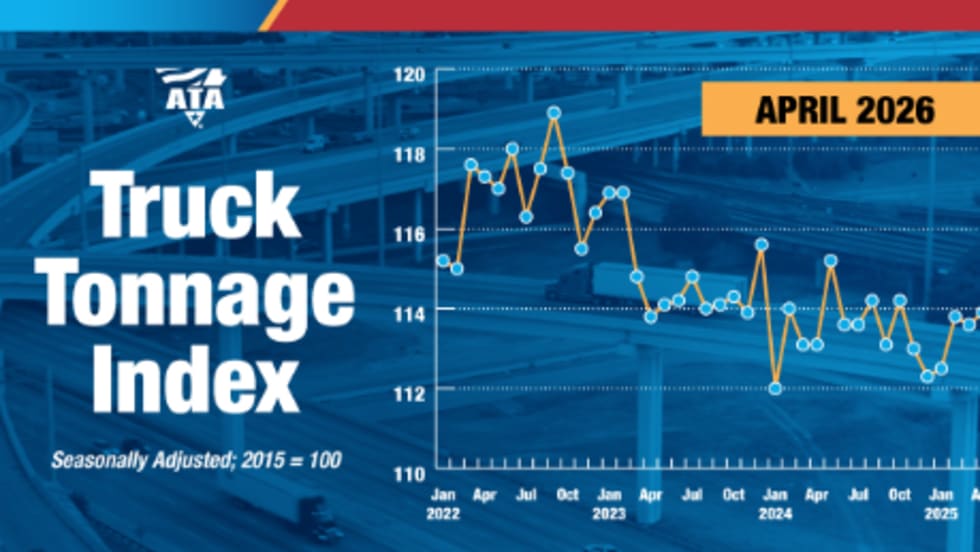
ATA Truck Tonnage Holds Steady in April at Highest Levels Since 2022
ATA’s For-Hire Truck Tonnage Index was unchanged in April after a strong March gain, with freight volumes remaining at their highest levels since late 2022.
Read More →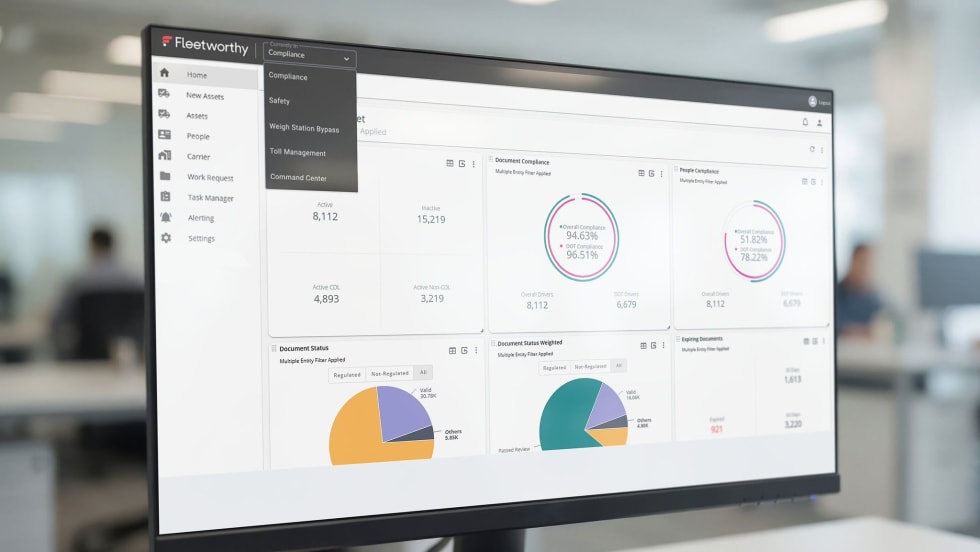
Fleetworthy Launches Connected Platform for Fleet Readiness Across Safety and Compliance, Toll Management, and Weigh Station Bypass
Fleetworthy has unveiled three major product launches it says mark a new era in fleet readiness.
Read More →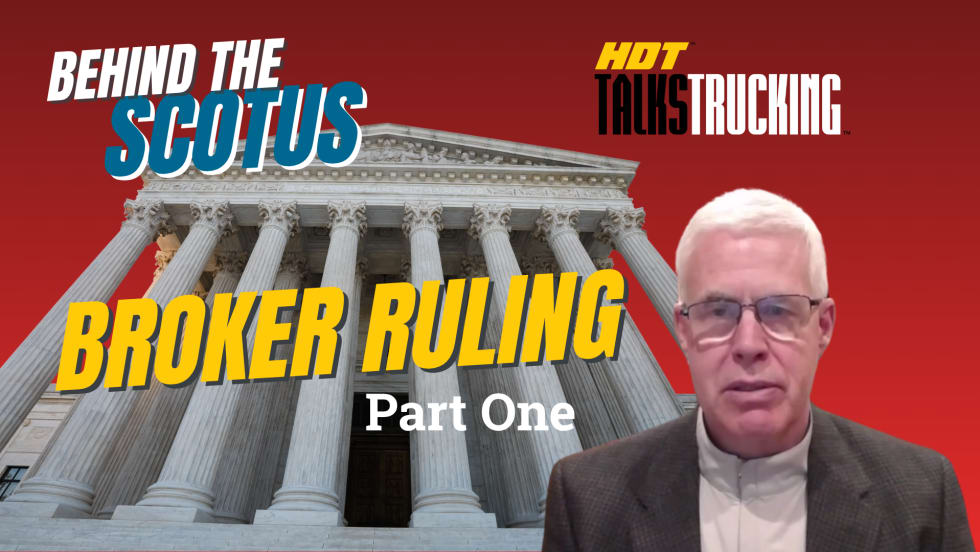
Behind the SCOTUS Broker Ruling Part 1
Transportation attorney Greg Feary breaks down the recent Supreme Court decision that brokers can be held liable for damages in truck accidents and what it means for the trucking industry going forward.
Read More →