




UPS Chief: Global Trade Key to Emerging from Recession
Global trade is key to getting out of the current recession, according to the chairman and CEO of UPS, Scott Davis
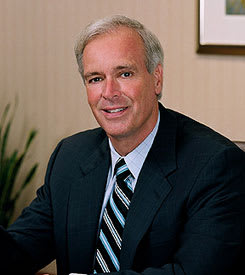
Scott Davis serves as Chairman and Chief Executive Officer of UPS, the world's largest package delivery company.
Global trade is key to getting out of the current recession, according to the chairman and CEO of UPS, Scott Davis.
At the Detroit Economic Club's National Summit, Davis called global trade a "positive force" at a time when "we are operating without a map and without precedent."
"As many as 57 million Americans are working for companies engaged in global trade," Davis said. "One in every five manufacturing jobs is linked to exports of goods and services."
Davis said there are three imperatives that must addressed before global trade can work. They include the creation of a system of trade that is compassionate, deploying technology to reduce the friction that slows down the flow of commerce and moving immediately to rebuild transportation infrastructures.
"Trade is a major force for good, for growth and for jobs," Davis said. "The threats are from both economic turmoil and the protectionist impulses it drives. We must argue that protectionism is the worst response at the worst time. We can't let political expediency cloud global reality."
Davis also believes that countries must make a better effort to help those workers who are displaced by global trade.
"We are going to have to pay more attention to those displaced," Davis said. "I see a very encouraging step in that direction with the return of the expired Trade Adjustment Assistance Act as part of the stimulus package. With this we can reposition the American workforce and give our workers the skills to stay in the global game."
Davis also encouraged the implementation of technology to eliminate the delays that come with paper customs forms.
"Global competitive advantage means the right product at the right place, at the right time and at the right cost," he said, noting that will require the deployment of new technologies to better "see" and control goods moving around the world.
"Infrastructure of trading partners must be up to the demands that a new era of country cooperation and company connectivity will place on it," Davis said. "The U.S. is falling behind, and we're already paying a price. Our ports aren't deep enough; our inland waterway locks are functionally obsolete; our highways are jammed, and declining rail capacity is causing choke points across the country."
To address these problems, it will take years and billions of dollars, Davis said.
"The power of global trade is undeniable," he said. "It changes lives, reduces conflict and gives us the motivation and the means to address shared issues. We have to do it all and we have to do it right. The future of the global economy depends on it."
More Fleet Management

Nominations Open for HDT Emerging Leaders
Heavy Duty Trucking is looking for accomplished trucking fleet professionals under 40 who are making an impact and helping lead the industry forward.
Read More →
Why Private Fleets Are Taking More Freight
Private fleets are putting their own trucks on demanding customers and high-cost lanes as companies seek greater control over service, costs, and capacity.
Read More →
Color Match Smarter: Tools That Restore & Perform
For fleet managers and collision repair professionals keeping heavy-duty trucks on the road, getting the color right the first time isn't just about appearance — it's about efficiency, turnaround time, and bottom-line results. Discover how today's digital color tools are transforming the repair process from guesswork to precision.
Read More →


FMCSA Pauses Biennial-Update Enforcement Amid Motus Transition
Carriers whose updates were due on or after June 1 have more time, while FMCSA works to stabilize its new registration system and warns of phishing sites impersonating its new carrier registration system, Motus.
Read More →
2026 Blueprint for Countering Smarter Supply Chain Theft
Cargo theft is no longer just the cost of doing business. It's a multi-billion-dollar criminal enterprise exploiting vulnerabilities across your fleet, drivers, and supply chain.
Read More →
How Telematics Improves Visibility, Control, and Performance in Refrigerated Fleets
Explore how telematics help refrigerated fleets improve visibility, uptime, efficiency, compliance, and cargo protection across connected cold chain operations.
Read More →
What the U.S.-Canada Trade War Means for Trucking
Escalating U.S.-Canada tariffs could disrupt cross-border freight, reduce truck volumes, raise costs, and create new uncertainty for carriers on both sides of the border.
Read More →
What Are Trucking’s Top Concerns for 2026?
The American Transportation Research Institute wants to know what's worrying trucking fleet managers, drivers, and other stakeholders in its annual Industry Issues survey.
Read More →
American Trucking Associations Looks for a New Leader
ATA President and CEO Chris Spear abruptly left his job at the association on August 21, at a pivotal time for the trucking industry.
Read More →
Public Wi-Fi Cybersecurity Risks: How Truck Drivers and Fleets Can Protect Their Data
Public Wi-Fi can expose truck drivers and fleets to credential theft, malware, and other cyber threats. Here’s how to reduce the risk on the road.
Read More →