





From the Archives (2017): Getting Smart in the Warehouse
UPS Adding 'Smart Warehouse' Technology
UPS Supply Chain Solutions is adding warehouse network technology to make distribution centers smarter and more efficient
April 23, 2020
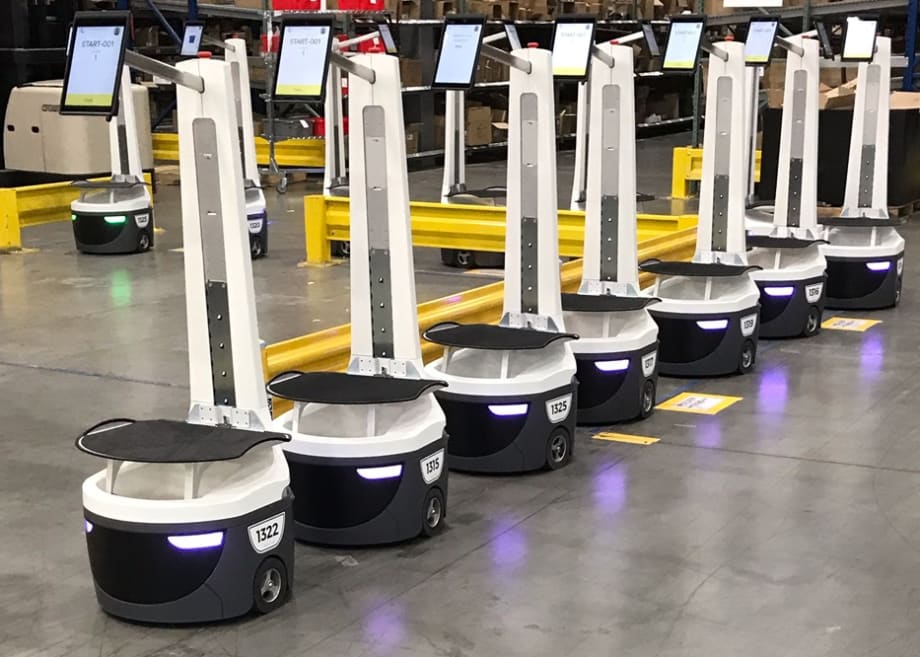
Supply chain operators are leveraging more sophisticated and complex warehouse technologies that can handle higher volumes with greater fluctuations.
Photo: UPS
2 min to read
UPS Supply Chain Solutions is adding warehouse network technology to make distribution centers smarter and more efficient. The new Warehouse Execution System will enable faster order intake and fulfillment, along with automation technologies such as autonomous guided vehicles, automated sorting systems.
UPS also plans to launch a new visibility and reporting platform that will enable customers to monitor and track end-to-end supply chain activity and performance, from transportation to warehouse inventory to order volume, all in one platform.
UPS and supply chain solutions provider Softeon created the WES, which allows UPS to define specific customer requirements to ensure the highest priority orders are worked first without manual intervention, resulting in more than 50% productivity gains for some customers.
The technology also helps UPS to create more custom and turnkey outsourced fulfillment services to meet customers’ unique supply chain needs.
“WES enables UPS to better leverage our global warehouse network and integrated technology to help our customers reduce capital, improve service and speed to end customers,” said Philippe Gilbert, president of Supply Chain Solutions.
Photo: UPS
Supply chain operators are leveraging more sophisticated and complex warehouse technologies that can handle higher volumes with greater fluctuations. The WES’s real-time monitoring of capacity, fulfillment requirements, backlogs, and labor status allows UPS to identify and resolve potential disruptions before they arise.
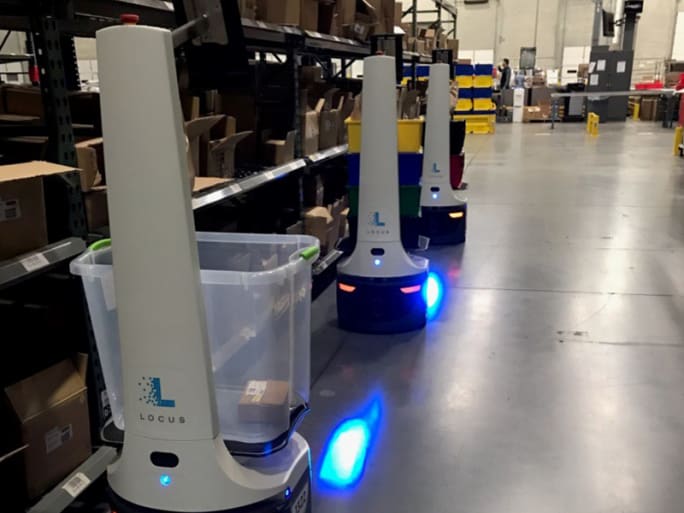
The WES implementation is part of UPS’s ongoing efforts to modernize warehouse operations by leveraging autonomous capabilities. UPS is deploying Autonomous Mobile Robots (AMR) in several of its facilities and piloting AMR from Locus Robotics, which receive instruction from the WES to pick up and transport goods for order consolidation and pack out by UPS employees. The system dynamically dispatches order fulfillment activity and continuously balances inventory flow, which allows UPS engineers and operators to efficiently synchronize the use of labor and equipment.
More Fleet Management

Sponsored•September 16, 2026
Color Match Smarter: Tools That Restore & Perform
For fleet managers and collision repair professionals keeping heavy-duty trucks on the road, getting the color right the first time isn't just about appearance — it's about efficiency, turnaround time, and bottom-line results. Discover how today's digital color tools are transforming the repair process from guesswork to precision.
Read More →
FMCSA Pauses Biennial-Update Enforcement Amid Motus Transition
Carriers whose updates were due on or after June 1 have more time, while FMCSA works to stabilize its new registration system and warns of phishing sites impersonating its new carrier registration system, Motus.
Read More →
Sponsored•September 14, 2026
2026 Blueprint for Countering Smarter Supply Chain Theft
Cargo theft is no longer just the cost of doing business. It's a multi-billion-dollar criminal enterprise exploiting vulnerabilities across your fleet, drivers, and supply chain.
Read More →


Sponsored•September 1, 2026
How Telematics Improves Visibility, Control, and Performance in Refrigerated Fleets
Explore how telematics help refrigerated fleets improve visibility, uptime, efficiency, compliance, and cargo protection across connected cold chain operations.
Read More →
What the U.S.-Canada Trade War Means for Trucking
Escalating U.S.-Canada tariffs could disrupt cross-border freight, reduce truck volumes, raise costs, and create new uncertainty for carriers on both sides of the border.
Read More →
What Are Trucking’s Top Concerns for 2026?
The American Transportation Research Institute wants to know what's worrying trucking fleet managers, drivers, and other stakeholders in its annual Industry Issues survey.
Read More →
American Trucking Associations Looks for a New Leader
ATA President and CEO Chris Spear abruptly left his job at the association on August 21, at a pivotal time for the trucking industry.
Read More →
Public Wi-Fi Cybersecurity Risks: How Truck Drivers and Fleets Can Protect Their Data
Public Wi-Fi can expose truck drivers and fleets to credential theft, malware, and other cyber threats. Here’s how to reduce the risk on the road.
Read More →
For Nicky Cupp, Fleet Innovation Starts With Frustration
HDT Truck Fleet Innovator Nicky Cupp turns everyday pain points at Fraley & Schilling into opportunities for better technology and smarter processes.
Read More →
Adam Buttgenbach’s Approach to Electric Trucks: Start With Where They Fit
HDT Truck Fleet Innovator Adam Buttgenbach helped PepsiCo build one of North America’s largest EV fleets by focusing on where electric trucks make operational sense.
Read More →