





Vaccine Mandate: Trucking Unsuccessful in Getting Drivers Exempted
Trucking Associations Call on Biden for Supply Chain Solutions
Find out what five immediate supply chain solutions trucking associations and other key supply chain stakeholders are asking the Biden Administration to address.
November 4, 2021
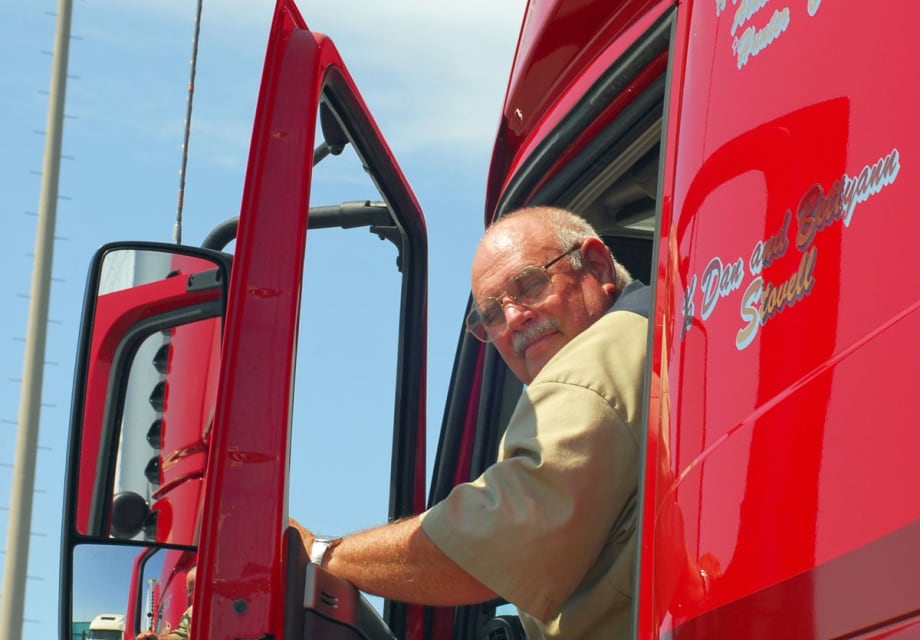
Several trucking associations are calling for the administration to support a younger driver pilot program; promote careers in transportation and the supply chain; give flexibility on the COVID-19 vaccine mandate; provide hours of service relief; and investigate the causes of port inefficiencies.
File Photo: Jim Park
3 min to read
Over 90 associations and organizations representing various sectors of the supply chain, including trucking, are calling for the Biden Administration to take five actions to address the immense challenges impacting the U.S. supply chain.
A coalition of associations — including the American Trucking Associations, Truckload Carriers Association, National Tank Truck Carriers, NATSO and the Next Generation in Trucking Association, among other trucking organizations – is calling for the administration to:
Support a pilot program to enable employers to create an apprenticeship program to allow qualified drivers between the ages of 18 and 20 to operate in interstate commerce.
Promote careers in transportation and the supply chain.
Give flexibility on the COVID-19 vaccine mandate.
Provide relief and greater flexibility to the hours of service regulations.
Investigate the causes of inefficiencies at ports, and work collaboratively to minimize bottlenecks.
1. Support a Younger Driver Pilot Program
In order to attract younger commercial truck driver into the industry, the coalition of associations says they strongly support a pilot program that will enable employers to create a two-stage, safety-focused apprenticeship program to allow younger, qualified drivers – between the ages of 18 and 20 – who satisfy rigorous safety, training, and technology requirements to operate in interstate commerce.
“With 49 states and the District of Columbia already allowing drivers under the age of 21 to get their commercial driver’s license and operate intrastate, this pilot program will provide a real opportunity to address current and future driver shortages by promoting a career pathway in trucking and developing a professional, qualified, and highly-trained emerging transportation workforce,” they wrote.
2. Promote Careers in Transportation and the Supply Chain
The coalition encourages federal agencies, including the U.S. Departments of Transportation and Labor, to collaborate with industry and state and local partners to promote transportation and supply chain occupations, particularly commercial truck driving, as a career of choice.
“Commercial truck drivers enjoy stability, good benefits, and higher-than-average wages,” they wrote. “We can improve the lives of many unemployed and underemployed Americans by giving them opportunities for advancement while boosting the economy.”
3. Give Flexibility in Vaccine Mandates
The coalition asks for flexibility for transportation and supply chain essential workers regarding a COVID-19 vaccine mandate, particularly for truck drivers who spend most of their time in their trucks and have minimal contact with colleagues and customers.
“We are concerned a [vaccine] mandate will cripple an already strained supply chain,” the stakeholders wrote. “We estimate companies covered by the mandate could lose 37% of drivers at a time when the nation is already short 80,000 truck drivers.”
4. Hours of Service Relief
The coalition says they continue to support last year’s changes to the hours of service regulations that give commercial truck drivers greater flexibility while improving safety and efficiency.
“We encourage the administration to retain these changes and consider providing additional flexibilities that may be needed for the timely delivery of essential goods and that make sense from a safety and operational standpoint,” they wrote. “Such flexibility is particularly important at ports that are open 24 hours to help alleviate current bottlenecks.”
5. Flow of Goods through Ports
The coalition encourage the administration to continue to investigate the causes of inefficiencies at the nation’s ports, draw input from a wide variety of supply chain stakeholders, and work collaboratively to minimize the bottlenecks and operational practices that prevent the seamless movement of cargo through the supply chain.
“Through continued dialogue and information sharing, appropriate action can be taken to ensure resources and equipment are utilized efficiently and effectively to improve performance at our nation’s ports,” they wrote. “We stand ready to assist in any way we can.”
The coalition includes representation from the agriculture, foodservice, warehousing, manufacturing, retail, construction and energy industries.
“While we represent different industries, we share the common burden of current supply chain disruptions, which are driving up prices and leading to a growing shortage of goods in the United States, with the holidays just around the corner,” the coalition wrote in a letter to the administration.
More Fleet Management

Sponsored•September 16, 2026
Color Match Smarter: Tools That Restore & Perform
For fleet managers and collision repair professionals keeping heavy-duty trucks on the road, getting the color right the first time isn't just about appearance — it's about efficiency, turnaround time, and bottom-line results. Discover how today's digital color tools are transforming the repair process from guesswork to precision.
Read More →
FMCSA Pauses Biennial-Update Enforcement Amid Motus Transition
Carriers whose updates were due on or after June 1 have more time, while FMCSA works to stabilize its new registration system and warns of phishing sites impersonating its new carrier registration system, Motus.
Read More →
Sponsored•September 14, 2026
2026 Blueprint for Countering Smarter Supply Chain Theft
Cargo theft is no longer just the cost of doing business. It's a multi-billion-dollar criminal enterprise exploiting vulnerabilities across your fleet, drivers, and supply chain.
Read More →


Sponsored•September 1, 2026
How Telematics Improves Visibility, Control, and Performance in Refrigerated Fleets
Explore how telematics help refrigerated fleets improve visibility, uptime, efficiency, compliance, and cargo protection across connected cold chain operations.
Read More →
What the U.S.-Canada Trade War Means for Trucking
Escalating U.S.-Canada tariffs could disrupt cross-border freight, reduce truck volumes, raise costs, and create new uncertainty for carriers on both sides of the border.
Read More →
What Are Trucking’s Top Concerns for 2026?
The American Transportation Research Institute wants to know what's worrying trucking fleet managers, drivers, and other stakeholders in its annual Industry Issues survey.
Read More →
American Trucking Associations Looks for a New Leader
ATA President and CEO Chris Spear abruptly left his job at the association on August 21, at a pivotal time for the trucking industry.
Read More →
Public Wi-Fi Cybersecurity Risks: How Truck Drivers and Fleets Can Protect Their Data
Public Wi-Fi can expose truck drivers and fleets to credential theft, malware, and other cyber threats. Here’s how to reduce the risk on the road.
Read More →
For Nicky Cupp, Fleet Innovation Starts With Frustration
HDT Truck Fleet Innovator Nicky Cupp turns everyday pain points at Fraley & Schilling into opportunities for better technology and smarter processes.
Read More →
Adam Buttgenbach’s Approach to Electric Trucks: Start With Where They Fit
HDT Truck Fleet Innovator Adam Buttgenbach helped PepsiCo build one of North America’s largest EV fleets by focusing on where electric trucks make operational sense.
Read More →