




Vaccine Mandate: Trucking Unsuccessful in Getting Drivers Exempted
Trucking groups are unhappy that the new emergency rule mandating COVID-19 vaccinations or testing does not exempt truck drivers, despite lobbying efforts, and warn that the new rules will make the supply-chain crisis worse.
November 4, 2021


Companies won't have to pay for vaccines, but they will have to give employees paid time off to get them.
Photo: Christian Emmer
5 min to read
Trucking groups are unhappy that the new emergency rule mandating COVID-19 vaccinations or testing does not exempt truck drivers, despite lobbying efforts, and warn that the new rules will make the supply-chain crisis worse.
The Department of Labor’s Occupational Safety and Health Administration on Nov. 4 announced the details of a requirement for employers with 100 or more employees to ensure each of their workers is fully vaccinated or tests for COVID-19 on at least a weekly basis.
The emergency temporary standard, or ETS, requires covered employers to develop, implement, and enforce a mandatory COVID-19 vaccination policy, with an exception for employers that instead establish, implement, and enforce a policy allowing employees who are not fully vaccinated to elect to undergo weekly COVID-19 testing and wear a face covering at the workplace.
The rule calls for employees to have their final vaccination dose – either their second dose of Pfizer or Moderna, or single dose of Johnson & Johnson – by Jan. 4, 2022. The rule also requires that employers provide paid time for employees to get vaccinated.
And, the White House said, OSHA is “making clear that their new rules preempt any inconsistent state or local laws, including laws that ban or limit an employer’s authority to require vaccination, masks, or testing.”
However, immediate legal challenges to the emergency rule are expected.
In addition, Sen. Mike Braun of Indiana is leading his Republican colleagues to challenge the mandate, calling it “a highly inappropriate invasion of what should be a personal medical decision for every American,” and warning that “the federal vaccine mandate threatens to worsen the current labor shortage and further disrupt supply chains.”
Trucking not Exempted from OSHA Mandate
The American Trucking Associations, the Truckload Carriers Association, and other trucking groups warned the administration that the mandate will have a negative impact on an already-constrained supply chain and had asked for OSHA to exempt trucking or otherwise provide some flexibility when it comes to truck drivers.
“President Biden cannot call on trucking to ‘work harder’ when his policies are cutting us off at the knees and depriving us of the workforce we need,” TCA said in an email alert. “Be assured that TCA will pursue every option to fight the imposition of this mandate on our members.”
TCA is encouraging its members to contact their congressional representatives.
Vaccine mandates were addressed in a recent open letter to the administration from ATA, TCA, and more than 90 other business and industry organizations outlining five steps the administration can take to ease the stress on the supply chain.
“Our industries are committed partners in the fight against COVID-19, and we unequivocally support the use of vaccines to fight its spread. However, we are concerned a mandate will cripple an already strained supply chain. We estimate companies covered by the mandate could lose 37% of drivers at a time when the nation is already short 80,000 truck drivers. We ask for flexibility for transportation and supply chain essential workers, particularly truck drivers who spend most of their time in their trucks and have minimal contact with colleagues and customers.”
More Details About the Vaccine Mandate
While the testing requirement for unvaccinated workers will begin after Jan. 4, employers must be in compliance with all other requirements — such as providing paid-time for employees to get vaccinated and masking for unvaccinated workers — on Dec. 5.
The ETS lays out a wide variety of tests that comply with the standard. “Given that vaccines are safe, free, and the most effective way for workers to be protected from COVID-19 transmission at work, the ETS does not require employers to provide or pay for tests.”
The ETS does not apply to employees who do not report to a workplace where other individuals such as coworkers or customers are present, employees while they are working from home, or employees who work exclusively outdoors.
OSHA offers more details about the ETS online.
Why the 100-employee cutoff?
Many larger trucking companies have criticized the rule because it doesn’t apply to smaller businesses, and they fear they will lose drivers who don’t wish to get a vaccine to smaller motor carriers.
OSHA’s information sheet explained that “In light of the unique occupational safety and health dangers presented by COVID-19, and against the backdrop of the uncertain economic environment of a pandemic, OSHA is proceeding in a stepwise fashion in addressing the emergency this rule covers. OSHA is confident that employers with 100 or more employees have the administrative capacity to implement the standard’s requirements promptly, but is less confident that smaller employers can do so without undue disruption. OSHA needs additional time to assess the capacity of smaller employers, and is seeking comment to help the agency make that determination. Nonetheless, the agency is acting to protect workers now in adopting a standard that will reach two-thirds of all private-sector workers in the nation, including those working in the largest facilities, where the most deadly outbreaks of COVID-19 can occur.”
Although this ETS takes effect immediately, it also serves as a proposed rule, so the agency is seeking comment on all aspects of this ETS and how it would be adopted as a final standard. OSHA encourages commenters to explain why they prefer or disfavor particular policy choices, and to include any relevant studies, experiences, anecdotes or other information that may help
support the comment. Stakeholders may submit comments and attachments, identified by Docket No. OSHA-2021-0007, electronically at www.regulations.gov. (The docket was not yet available as of this writing; the ETS is scheduled to be published in the Federal Register Nov. 5.)
More Safety & Compliance
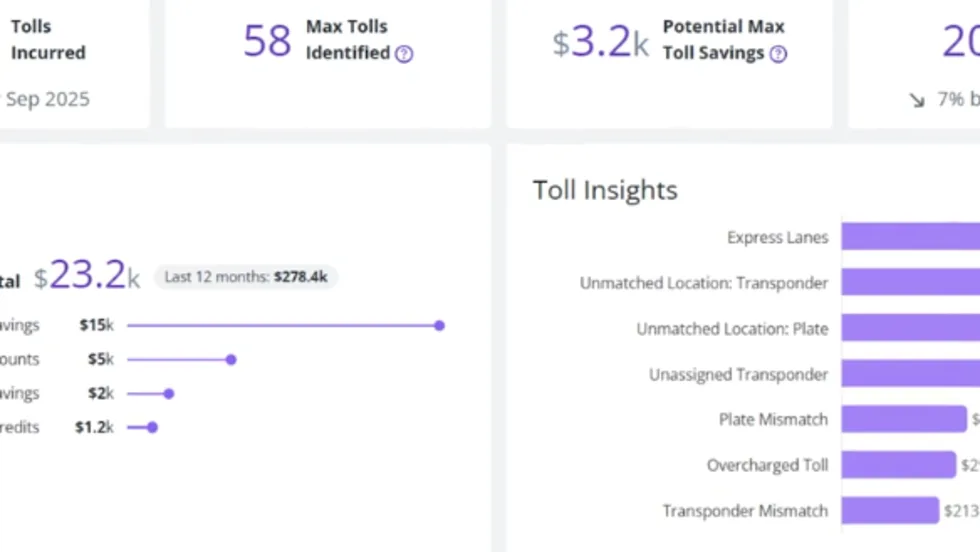
PrePass Intelligence Mines Fleet Bypass, Toll and Safety Data
PrePass Intelligence helps fleets measure bypass savings, flag potential toll overcharges, and spot suspicious transactions by combining data from separate systems.
Read More →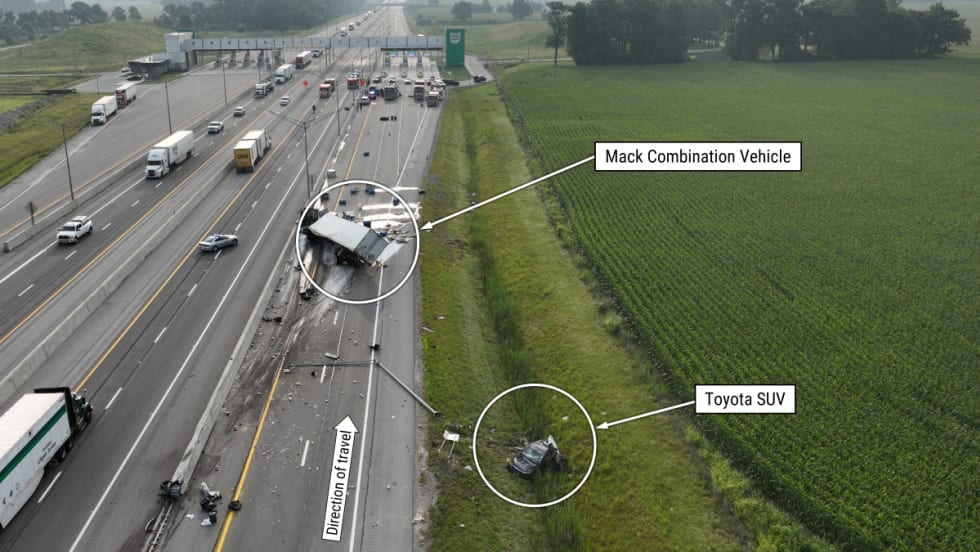
Fatal Crash Exposes Toll Plaza Risks
An NTSB investigation found that last-minute lane changes and large speed differences at an Ohio toll plaza created a hazard the truck driver couldn't avoid in time.
Read More →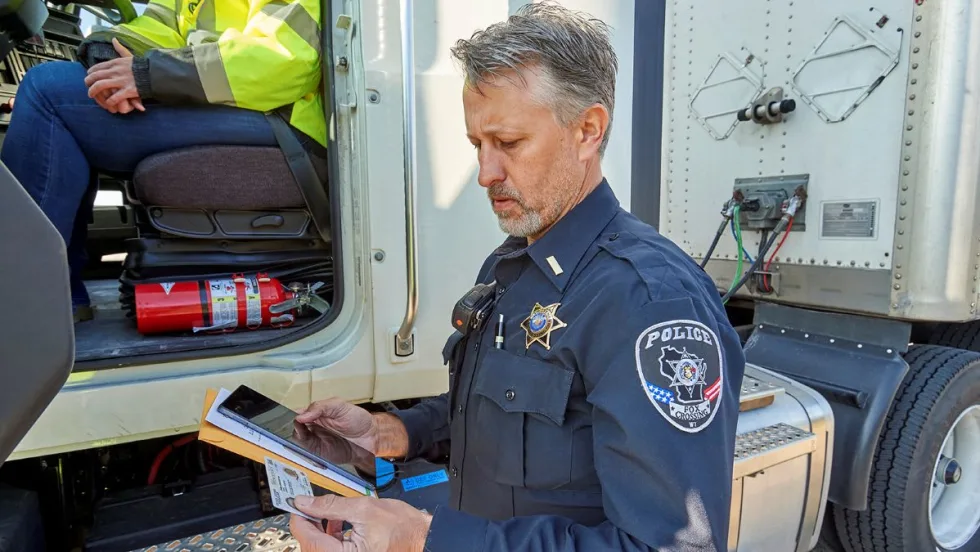
When Language Stops the Truck: The Return of ELP Out-of-Service Orders
English language proficiency rules for commercial drivers aren’t new, but renewed out-of-service enforcement has raised the stakes. Here’s what carriers need to know before a driver reaches a roadside inspection.
Read More →
Sponsored•October 6, 2026
A Camera Isn't a Safety Program. Here's What Brokers Are Screening for Now
Footage alone may not be enough to pass broker vetting processes. Here's what counts as a defensible safety program now.
Read More →
Marijuana and Trucking’s Drug-Testing Dilemma
Marijuana is getting stronger, laws are changing, and drug tests still can’t reliably establish impairment. What does that mean for truck drivers and the fleets that employ them?
Read More →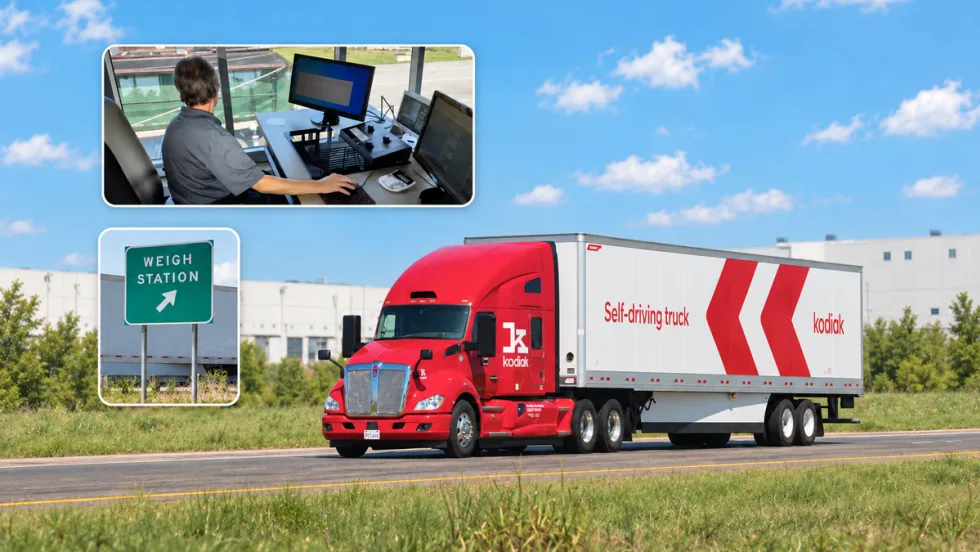
PrePass, Kodiak Connect Driverless Trucks to Roadside Enforcement
The system will allow enforcement agencies to verify Enhanced Inspection information and decide whether Kodiak’s autonomous trucks can bypass roadside screening sites.
Read More →
From One Generation to the Next: How Mentorship Builds Safer Truck Drivers
After three decades in trucking, Harold Perry shares what he's learned about driver safety, mentorship, and helping the next generation build confidence behind the wheel.
Read More →
FMCSA Pauses Biennial-Update Enforcement Amid Motus Transition
Carriers whose updates were due on or after June 1 have more time, while FMCSA works to stabilize its new registration system and warns of phishing sites impersonating its new carrier registration system, Motus.
Read More →
ZF Expands Commercial Vehicle Push in North America
ZF is expanding its North American commercial-vehicle presence with new transmission applications, electrification, trailer technology and autonomous-driving systems.
Read More →
Truck Drivers Need More Than Another Alert
Fleets have more visibility into truck health, safety events, and driver activity than ever. The next challenge is turning all that information into useful guidance for the person who has to decide what to do next.
Read More →