




Truckers Helping Troopers in Minnesota
The Minnesota State Patrol is signing up truckers to help it keep a watchful eye on state highways
The Minnesota State Patrol is signing up truckers to help it keep a watchful eye on state highways.
The program started in February, when 15 truckers formed the beginning of a pilot highway watch program on I-35 between Faribault and the Iowa border. This summer, another 15-20 truckers will be added to keep an eye on Hwy. 52 between Cannon Falls and Rochester.
Truckers in the program are required to have a safe driving record and drive the route at least once a week. They call the patrol and report the location of crashes, bad road conditions, aggressive or drunk driving, speeding, stranded motorists and dangerous debris on the road. The trucker's reports can be the basis of an arrest by a trooper.
The Minnesota Trucking Assn. has endorsed the program, but notes that it has made a slow start because there simply aren't enough truckers participating yet.
Some critics say the program is like getting a wolf to guard the sheep, because they say truckers are among the worst traffic offenders. But participants say they wouldn't hesitate to turn in another truck driver who is acting in a way to give the industry a bad name and put other motorists in danger.
If the pilot program goes well, the program may be expanded throughout the state. Similar programs already exist in Colorado and on the Pennsylvania Turnpike.
More Safety & Compliance
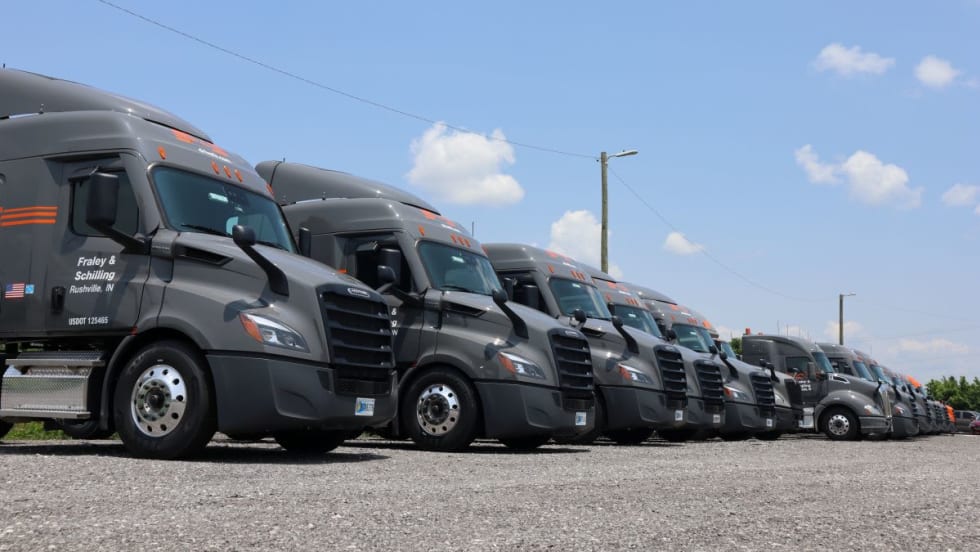
How Fraley & Schilling Improved Logbook Compliance by Over 50%
Fraley & Schilling needed a way to close a compliance workflow gap in its ELD system without adding more work from driver training, reminders, and back-office follow-ups. It found the answer in a custom driver app.
Read More →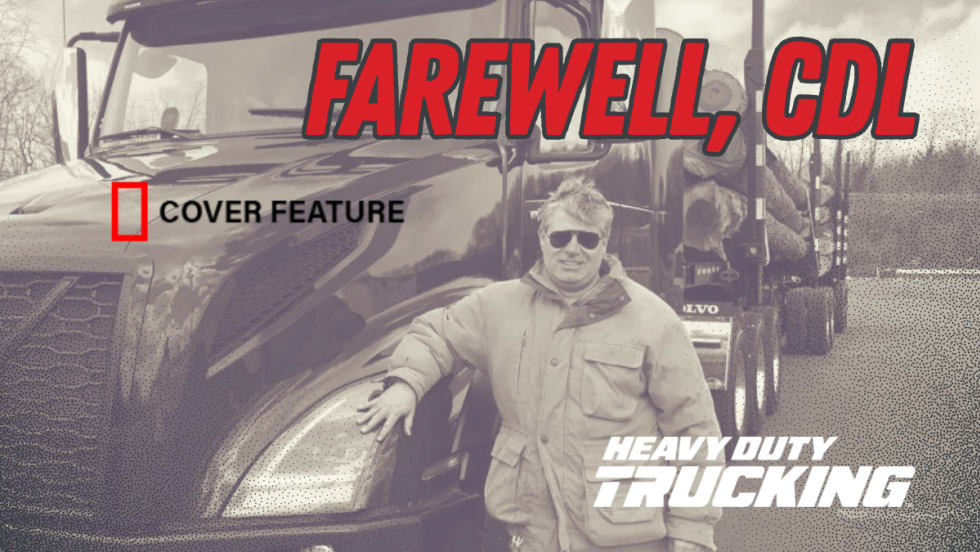
Farewell, CDL: Why I'm Giving Up My Commercial Driver's License
After more than 20 years as a CDL holder, HDT Executive Editor Jack Roberts is letting his commercial license expire. Not because he wants to — but because trucking's nuclear verdict crisis has made the risks of public-road test drives too great for editors, manufacturers, and everyone involved.
Read More →
Enhance Fleet Performance with High-Efficiency Auxiliary Power Units
Drive sustainable cost savings while increasing driver comfort during short- and long-haul logistics operations.
Read More →

Wabash Trailers Recalled for Improperly Installed Underride Guards
More than 900 Wabash dry van trailers may not comply with the Federal Motor Vehicle Safety Standard for rear impact guards.
Read More →
Why K&B Trucking Is Embracing AI and Driver Safety Technology
Crunching data and embracing artificial intelligence are key in K&B Trucking's safety efforts, says the company's safety director.
Read More →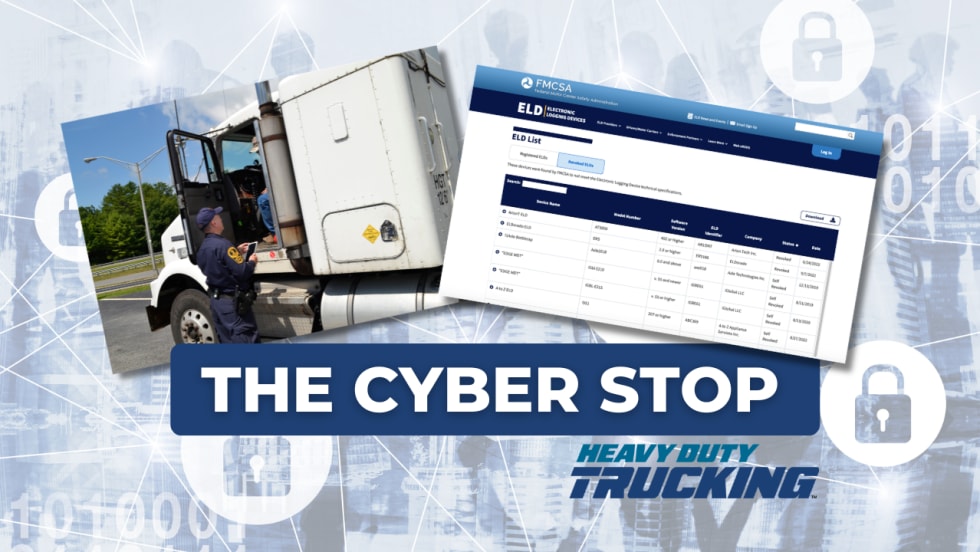
The Hidden Problem Behind FMCSA's ELD Revocations
NMFTA researchers say dozens of registered ELDs may be built on the same software platforms, allowing compliance and security concerns to persist even after individual devices are removed from the market.
Read More →
ATRI Wants Motor Carriers for Driver-Facing Camera Study
In this new study, the American Transportation Research Institute will explore how driver-facing cameras can impact safety and operational metrics in trucking fleets.
Read More →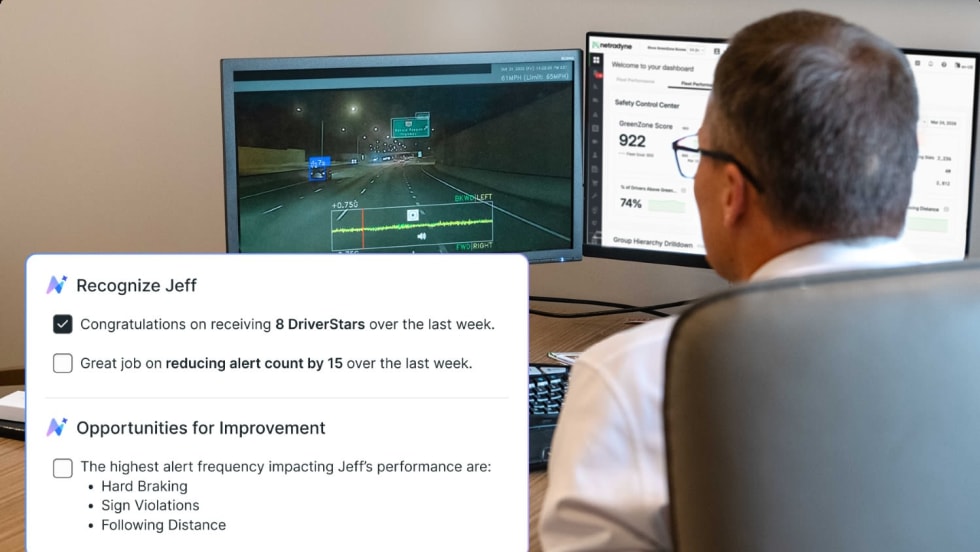
Netradyne Intelligence Uses New AI Agents to Automate Response to In-Cab Camera Data
The company called the next-generation in-cab camera safety platform "a fundamental shift from systems that report on what happened to systems that actively drive what should happen next."
Read More →Mack, Volvo Issue ‘Do Not Drive’ Recall on Possible Wheel-Offs
Owners will be sent advance notice not to operate their affected vehicles until the remedy is performed.
Read More →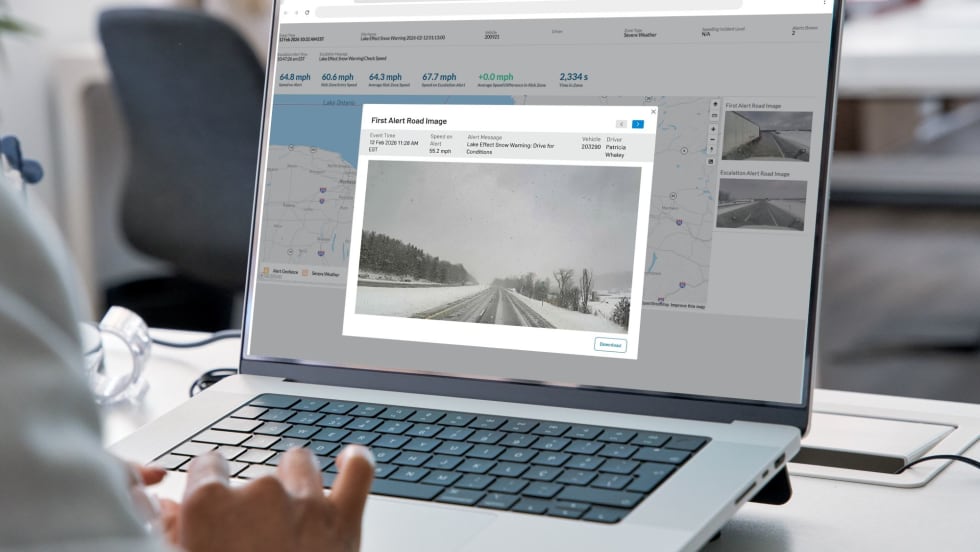
Fleetworthy Integrates Lytx Video Snapshots into Safety+ Platform
A new Fleetworthy-Lytx integration gives fleet managers access to video context alongside safety event data, streamlining driver coaching and incident review.
Read More →