




Truckers Help Troopers in Oregon
John Gerhards was recently headed home when he spotted another vehicle in trouble. “I was on 9-1-1 before he hit the gravel,” he recalled. Because he knew exactly what information to give the dispatcher -- and because the dispatchers know him -- police and emergency crews were there in five minutes
John Gerhards was recently headed home when he spotted another vehicle in trouble. “I was on 9-1-1 before he hit the gravel,” he recalled. Because he knew exactly what information to give the dispatcher -- and because the dispatchers know him -- police and emergency crews were there in five minutes.
Gerhards, who drives for Fred Meyer Distribution, is one of approximately 20 Oregon truckers participating in Highway Watch, a national volunteer organization of truck drivers who are specially trained to spot problems on the highways and report them to the proper authorities.
“The goal of Highway Watch is to save lives by reducing response time to accidents and other safety hazards,” said Mike Moises, president of the Oregon Trucking Assn., a program sponsor.
According to government funded safety research, about half of the nation’s 41,000 traffic deaths occur before the victim can reach medical care facilities. In urban fatal crashes it takes an average 35 minutes for victims to reach hospitals. In rural areas, the average is 53 minutes. Highway Watch drivers hope to reduce that response time by providing rapid and reliable information.
The program, funded by local trucking companies and a grant from the Federal Motor Carrier Safety Administration, is now active in six states: Colorado, Florida, Pennsylvania (PIKE Watch), Minnesota, Virginia and, most recently, Oregon.
In Oregon, a one-day course conducted by the State Police and Oregon 9-1-1 teaches drivers to identify medical emergencies, road rage, impaired drivers, and other potential problems. They also learn how to accurately report those and other incidents such as traffic accidents, severe weather conditions, and stranded motorists.
When they spot a problem they either call 9-1-1 or a special line into the State Police’s dispatch center. They identify themselves as Highway Watch drivers, which allows dispatchers to bypass the screening required of many “emergency” calls. “I don’t even have to give them my cell phone number, they’ve got that on the computer,” Gerhards noted. “It really cuts down the response time.”
The Oregon Trucking Assn. (www.ortrucking.org) is now taking applications and hopes to train another 50 drivers in September.
More Safety & Compliance

FDA Eases Path for Oral-Fluid Testing
Federal actions could advance oral-fluid drug testing for truck drivers, but lab certification delays and marijuana rescheduling questions remain.
Read More →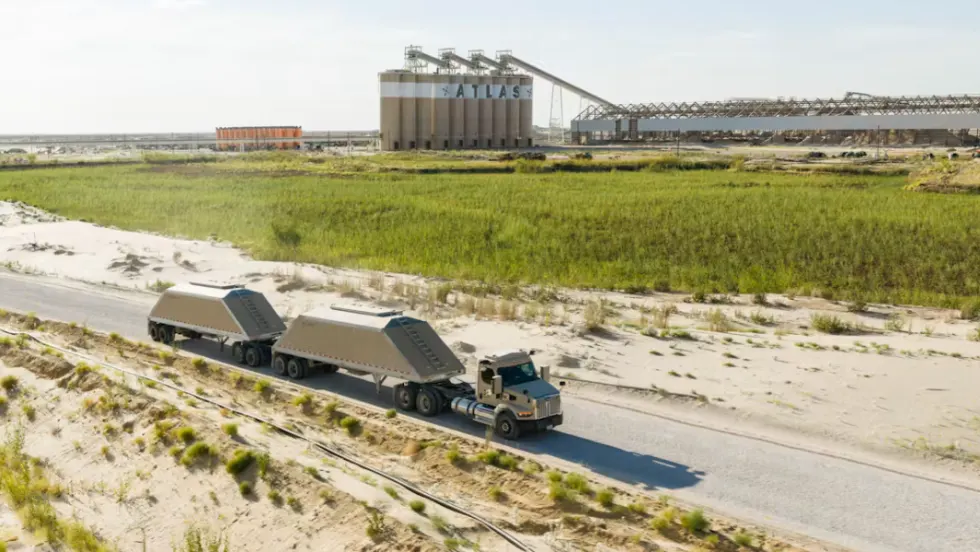
Kodiak Lines Up Fleets for Driverless Trucking
An agreement for 75 trucks, a new Texas freight lane, and progress on safety validation move Kodiak closer to its planned driverless highway launch.
Read More →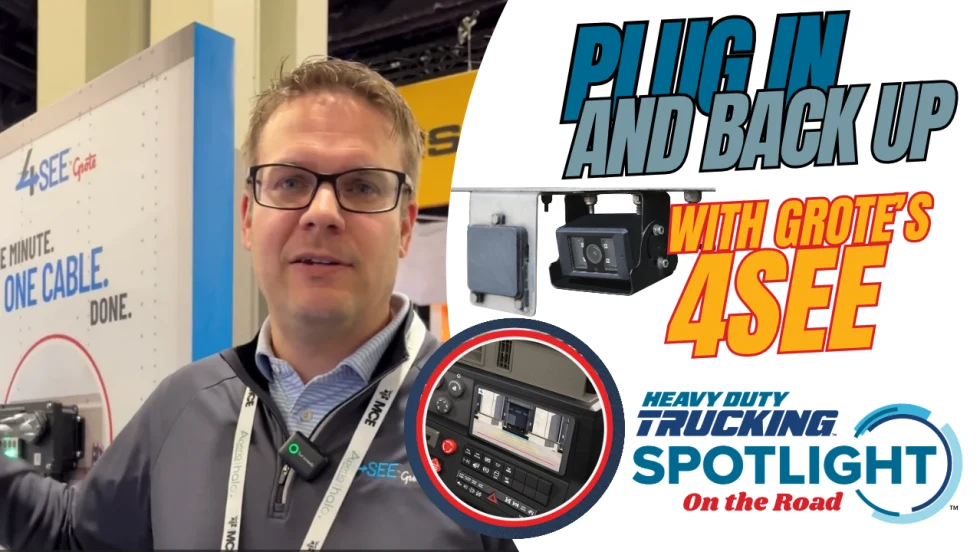
More Trailer Data Through the Same Seven-Way [Video]
Can trucking’s standard seven-way connector handle more cameras and trailer data? Grote’s Adam Slade shows HDT how the company is using new technology with its 4See trailer system, not only to add a new backup camera but also to expand other capabilities — without adding another connection.
Read More →
PrePass Intelligence Mines Fleet Bypass, Toll and Safety Data
PrePass Intelligence helps fleets measure bypass savings, flag potential toll overcharges, and spot suspicious transactions by combining data from separate systems.
Read More →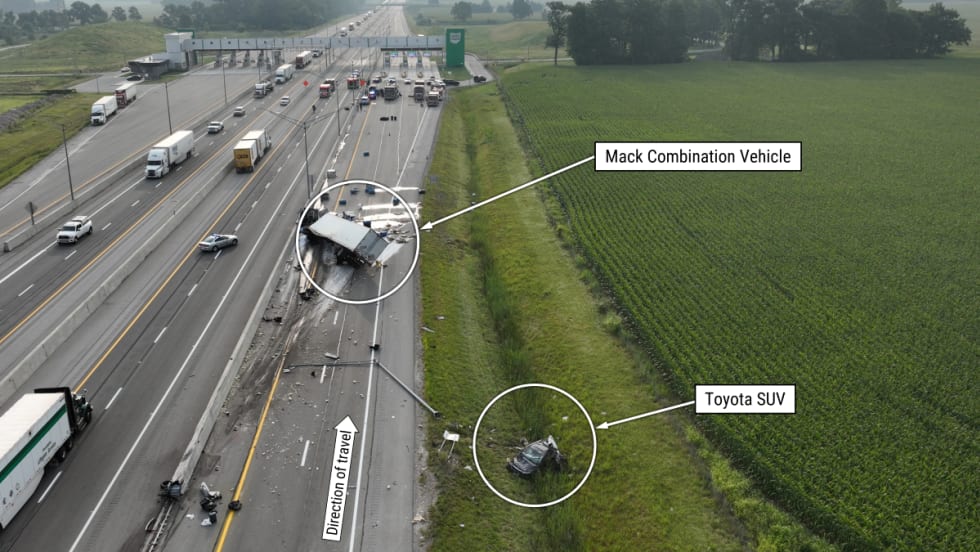
Fatal Crash Exposes Toll Plaza Risks
An NTSB investigation found that last-minute lane changes and large speed differences at an Ohio toll plaza created a hazard the truck driver couldn't avoid in time.
Read More →
When Language Stops the Truck: The Return of ELP Out-of-Service Orders
English language proficiency rules for commercial drivers aren’t new, but renewed out-of-service enforcement has raised the stakes. Here’s what carriers need to know before a driver reaches a roadside inspection.
Read More →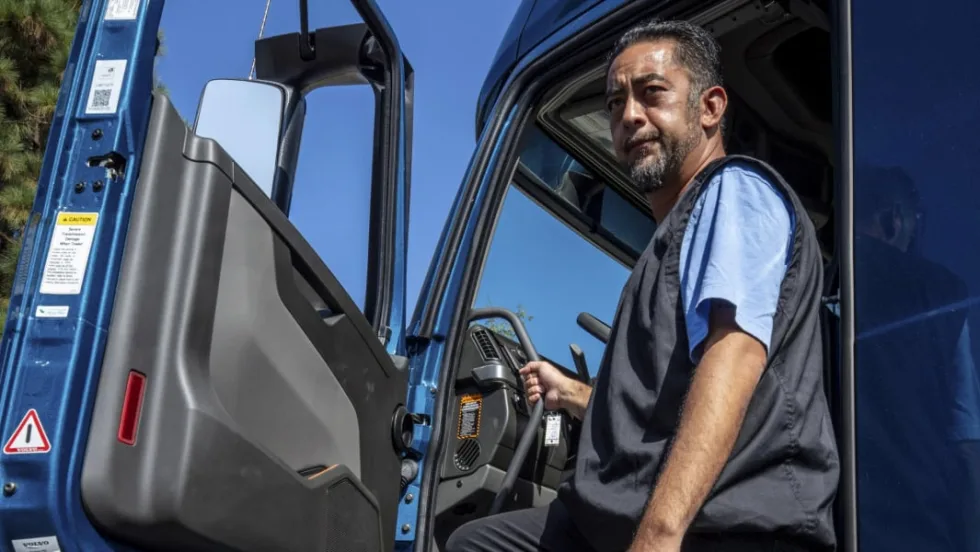
A Camera Isn't a Safety Program. Here's What Brokers Are Screening for Now
Footage alone may not be enough to pass broker vetting processes. Here's what counts as a defensible safety program now.
Read More →
Marijuana and Trucking’s Drug-Testing Dilemma
Marijuana is getting stronger, laws are changing, and drug tests still can’t reliably establish impairment. What does that mean for truck drivers and the fleets that employ them?
Read More →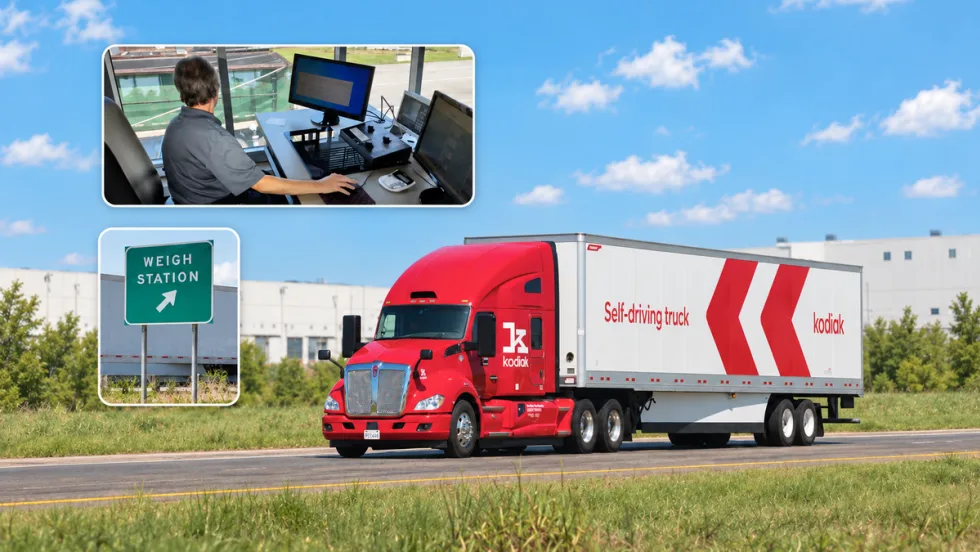
PrePass, Kodiak Connect Driverless Trucks to Roadside Enforcement
The system will allow enforcement agencies to verify Enhanced Inspection information and decide whether Kodiak’s autonomous trucks can bypass roadside screening sites.
Read More →
From One Generation to the Next: How Mentorship Builds Safer Truck Drivers
After three decades in trucking, Harold Perry shares what he's learned about driver safety, mentorship, and helping the next generation build confidence behind the wheel.
Read More →