




Truckers Ask for Transparency on Border Program
The Owner-Operator Independent Drivers Association is asking the Federal Motor Carrier Safety Administration to be transparent about its findings and conclusions on a failed border crossing program that ended this year.


The Owner-Operator Independent Drivers Association is asking the Federal Motor Carrier Safety Administration to be transparent about its findings and conclusions on a failed border crossing program that ended this year.
The United States-Mexico Cross Border Long-Haul Trucking Pilot Program was created to assess long-distance trucking across the U.S.-Mexico border.
In a letter to the FMCSA by OOIDA Executive Vice President Todd Spencer, he listed out their concerns about the validity of data collected during the program. Initially, the FMCSA said that 46 carriers would need to participate in the program for the results to be valid but only managed to get 13 carriers.
“It is the OOIDA’s view that because most of the inspection data collected comes from just a few carriers, the data is biased and does not accurately reflect the safety performance of the trucks in the Pilot much less the broader Mexican truck fleet,” stated Spencer.
The OOIDA was also concerned about the regulation of Mexican fleets related to violations. The inspection data showed that Mexican trucks were not being placed out of service for violations that warranted it and were being cited at a much lower rate.
“This disparity in enforcement action raises safety concerns in general, but especially about the Pilot Program,” stated Spencer.
The OOIDA wrote several questions in the letter to the FMCSA asking what actions they would take going forward. They asked who has authority over violations, if the findings from the program would be released and if there would even be a Pilot Program in the future.
“The data generated by the program clearly shows that the program should not be renewed or made permanent,” said Spencer. “What we would like to know is the agency’s plan going forward and we request that they be transparent about communications with Mexico and analysis of their data, or lack thereof.”
More Fleet Management
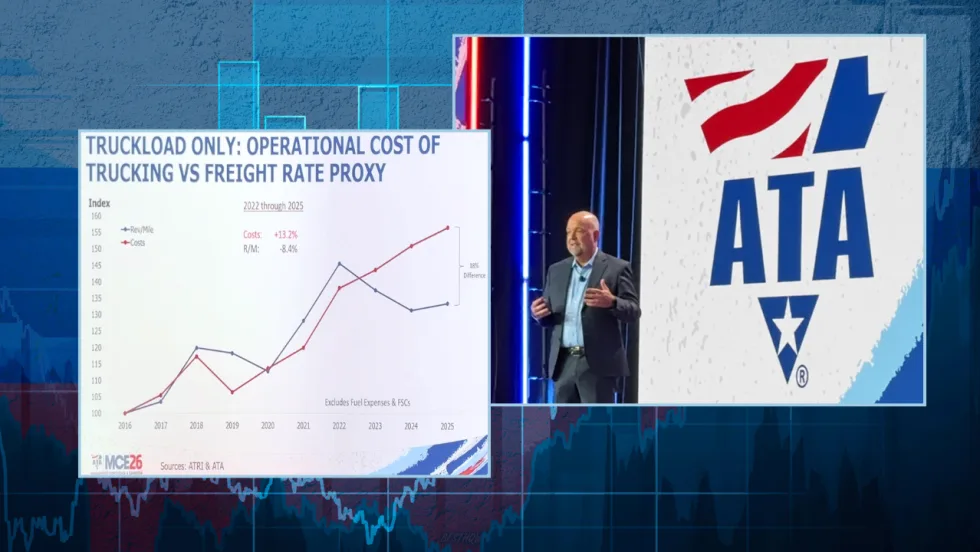
Why This Trucking Recovery Is Different
Freight demand remains sluggish, but rising costs and tougher enforcement have taken enough capacity out of the market to change the outlook for motor carriers.
Read More →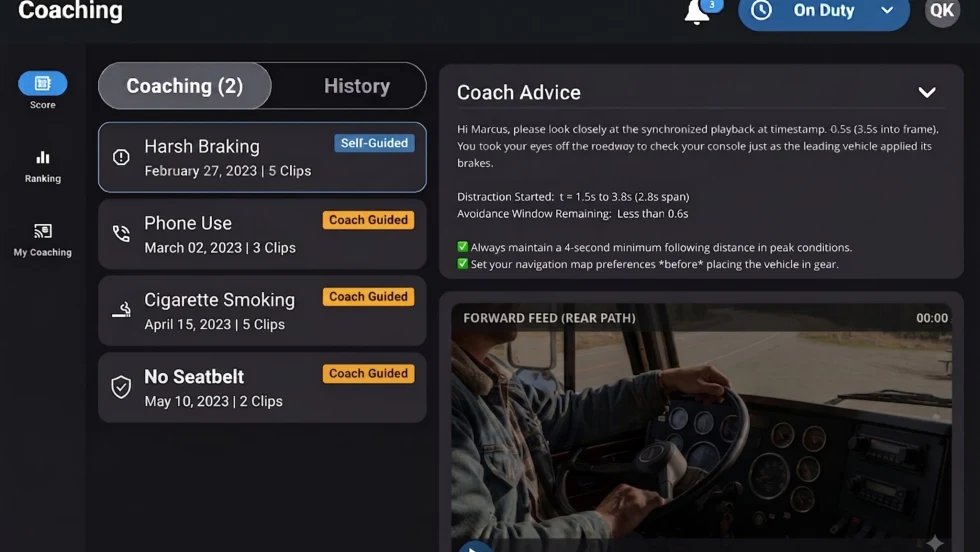
Platform Science Adds Dispatch and Safety Tools
Four additions to PS Fleet help fleets monitor loads, manage driver coaching, share truck locations and adjust video system settings.
Read More →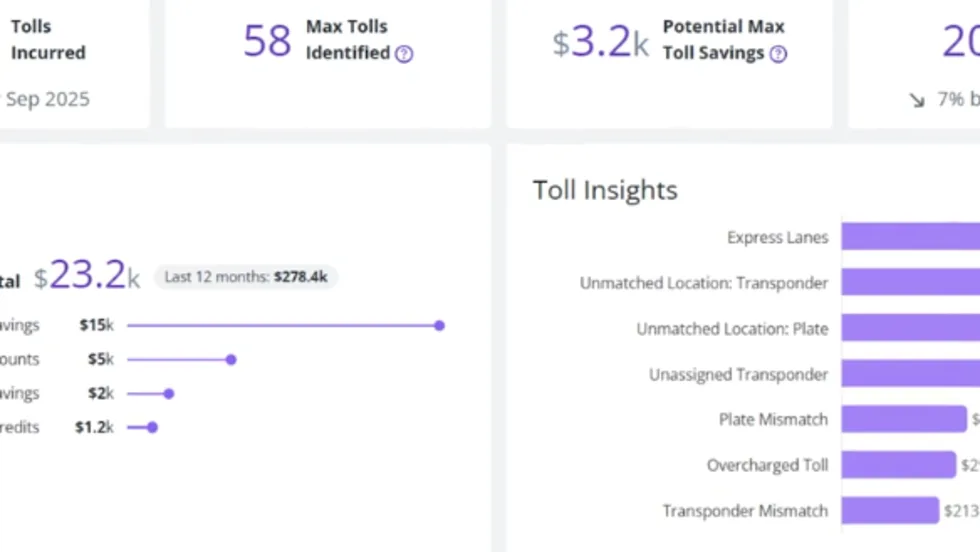
PrePass Intelligence Mines Fleet Bypass, Toll and Safety Data
PrePass Intelligence helps fleets measure bypass savings, flag potential toll overcharges, and spot suspicious transactions by combining data from separate systems.
Read More →
Motive Adds AI Agents for Fleet Operations
New tools automate follow-up on fleet data, from maintenance work orders to driver alerts, with two-way voice conversations planned for later this year.
Read More →
Can You Beat Our Trucking Trivia Challenge?
Test your truck knowledge with 19 trivia questions from Heavy Duty Trucking Exchange. Can you keep up with the fleet pros?
Read More →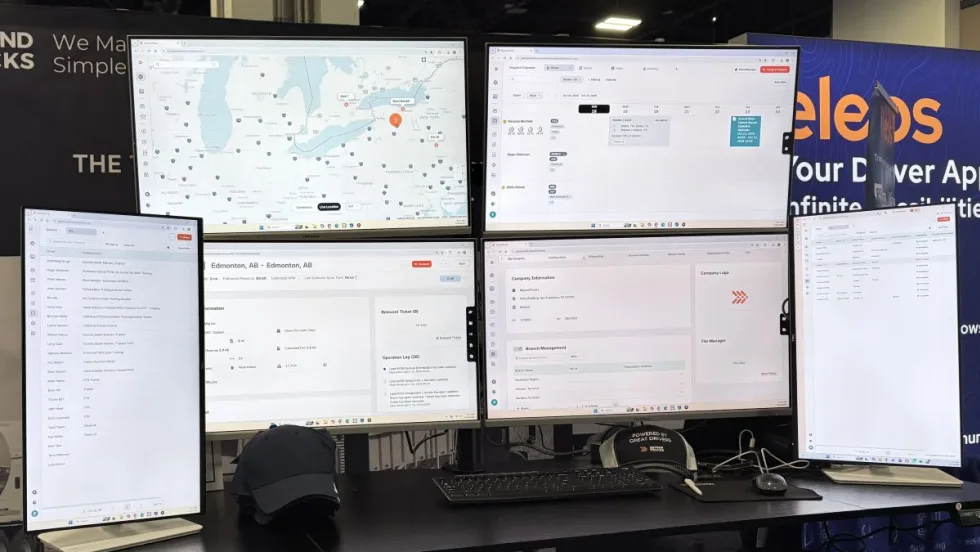
BeyondTrucks Adds Rules Checks to Dispatch
New Compatibility Engine checks driver qualifications, equipment requirements and fleet policies before loads are dispatched.
Read More →
Diesel Prices Hijack Trucking’s Worry List
ATRI’s annual survey finds cautious optimism about freight, but diesel costs, litigation, and insurance continue to squeeze fleets. Drivers have different priorities on several issues.
Read More →
Nomination Deadline Extended for HDT Emerging Leaders
Just a few more days to nominate accomplished trucking fleet professionals under 40 who are making an impact and helping lead the industry forward for the HDT Emerging Leaders award. Deadline extended to October 20!
Read More →
What Will ATA’s New Leader Bring to Trucking's Table?
Incoming President and CEO Mark Colson’s record in Alabama offers clues about his priorities and approach following Chris Spear’s abrupt departure as the head of the American Trucking Associations.
Read More →
Volvo, Waabi Start Commercial Autonomous Operations in Texas
Volvo VNL Autonomous trucks, powered by the Waabi Driver, are hauling freight directly to third-party facilities for a customer in Texas.
Read More →