




Related: Medium-Duty Orders Rebound in August
Truck Orders Mostly Hold Steady in September
Net orders of Class 8 trucks were in line with expectations, falling only slightly from the previous month’s numbers, according to preliminary numbers from FTR and ACT Research.
by Staff
October 4, 2016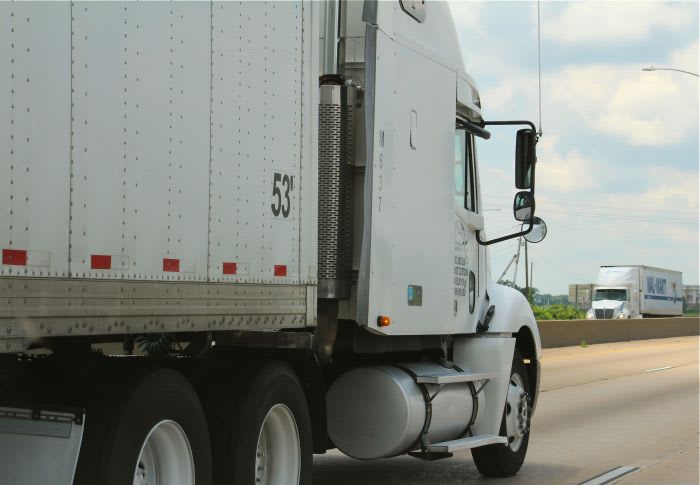
1 min to read
Net orders of Class 8 trucks were in line with expectations, falling only slightly from the previous month’s numbers, according to preliminary numbers from FTR and ACT Research.
FTR’s September order numbers are projected at 13,800 units, down 2% compared to August. ACT Research projects its order numbers at 13,900 units and says that with seasonal adjustment, the month’s intake would be 16,100 units.
Despite the small loss, September’s truck orders will not be one for the record books and FTR says that orders are down 27% from a year ago and are the weakest September orders since 2009.
“At 28% below September 2015’s intake, it remains crystal clear that truckers are still struggling to balance excess freight hauling capacity in the context of anemic freight growth,” said Steve Tam, ACT’s vice president.
October is expected to be a better indicator of what Class 8 truck orders will look like in 2017 as the fall is traditionally when large fleets begin to place orders for the following year.
“The October orders will still be a critical sign for 2017,” said Don Ake, vice president of commercial vehicles at FTR. “If the economy does improve and the trucking outlook brightens, then medium-sized fleets and others should feel confident enough to order also in coming months. This would put the market near replacement levels in 2017.”
More Equipment
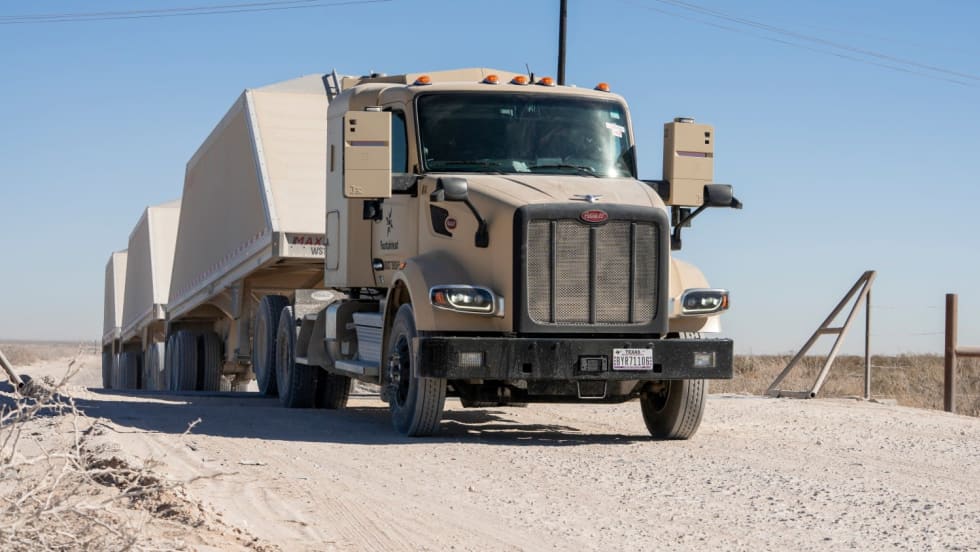
Atlas Expands Kodiak Driverless Truck Fleet in Permian Basin
Atlas Energy Solutions is expanding autonomous frac sand hauling in the Permian Basin with a second load-out location and plans for 100 driverless trucks by mid-2027.
Read More →
Putting Mack’s Command Steer to the Test
A test drive of Mack’s Command Steer active steering system evaluates how it can make truck driving easier and less tiring.
Read More →
Mack, Volvo Expand DEF Derate Software Updates
The updated software gives Mack and Volvo truck owners more time to address DEF-related issues before the engine derates or the vehicle goes into reduced-speed inducement, following new EPA guidance.
Read More →
Rush, MCT Team Up to Grow Refrigeration Service Network
The joint venture will operate MCT's network of Carrier Transicold dealerships and mobile service locations, with the companies promising greater service capacity and uptime for refrigerated fleets.
Read More →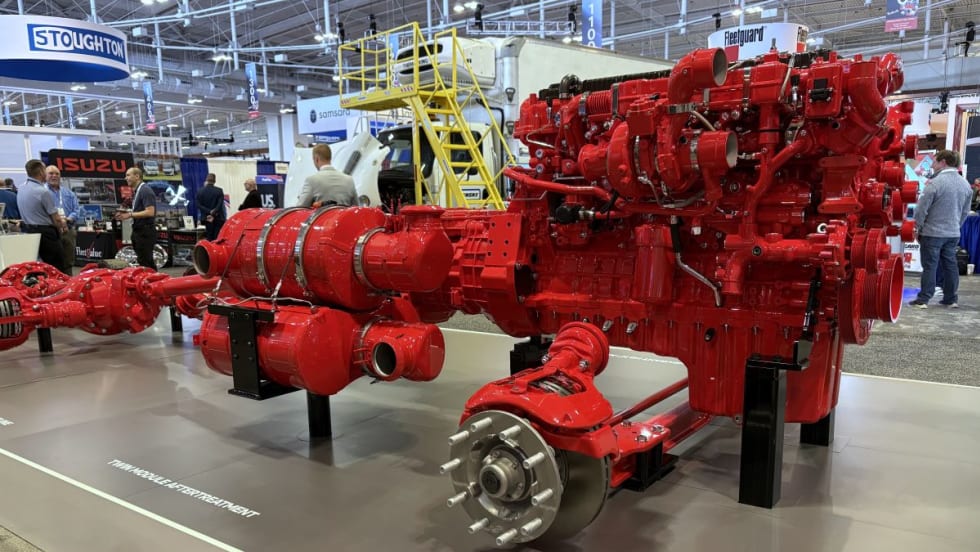
Cummins Adjusts 2027 Engine Rollout After EPA Proposal
The engine maker will gradually introduce its new Model Year 2027 diesel engines while continuing to offer current models during the transition, citing the EPA's proposed emissions rule changes.
Read More →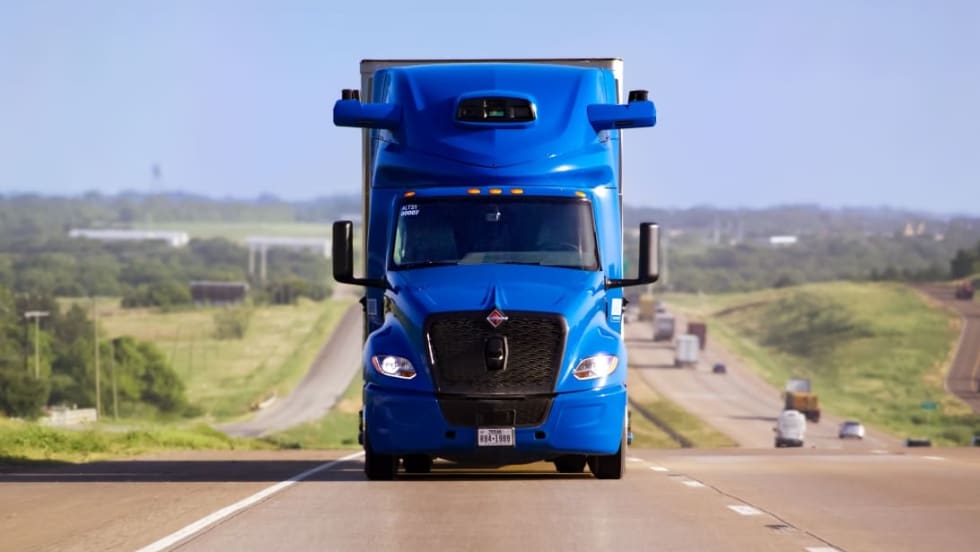
Aurora Rolls Out Next Generation of Driverless Trucks for Commercial Freight
Aurora's latest autonomous trucks it's rolling out with International feature lower-cost hardware designed for a million miles as the company expands commercial driverless freight operations across the U.S. Sun Belt.
Read More →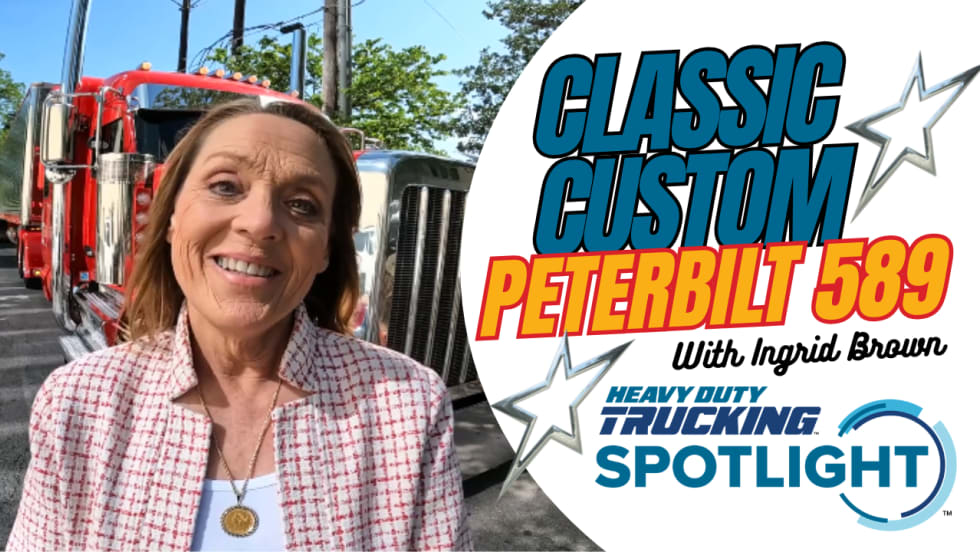
Peterbilt 589 Spotlight: A Close Look at a Custom Working Truck [Video]
There's more to this customized Peterbilt Model 589 and Great Dane refrigerated trailer than chrome and stainless (although there's plenty of that too!) A veteran driver explains the design choices and practical features behind this working truck.
Read More →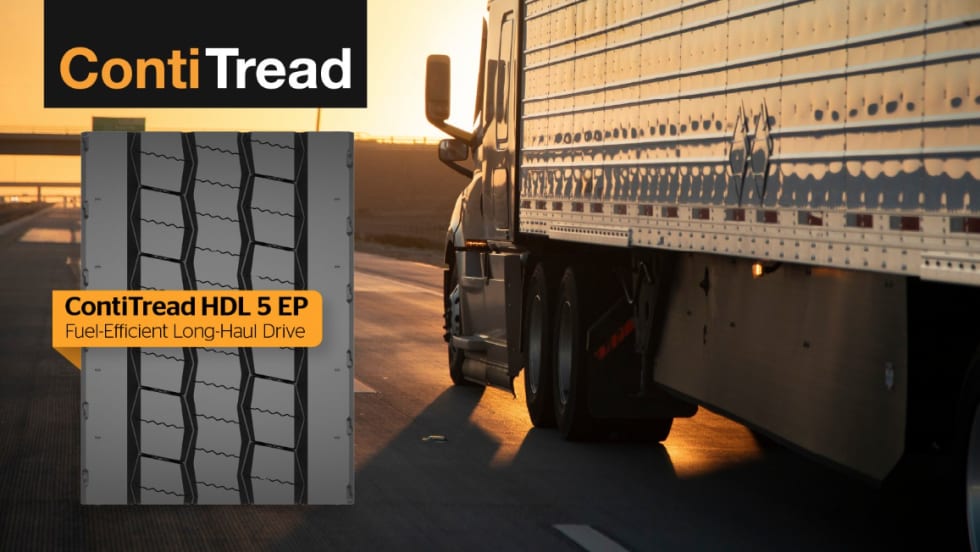
Continental Expands Retread Lineup With New ContiTread HDL 5 EP
New long-haul drive retread is designed to improve fuel efficiency, extend tread life, and lower fleets' cost per mile.
Read More →
EPA Proposal Could Ease 2027 Truck Costs and Buying Uncertainty
The proposal doesn't change the tougher NOx standard, but it would revise key implementation requirements that manufacturers say have driven up costs and complicated fleet purchasing decisions.
Read More →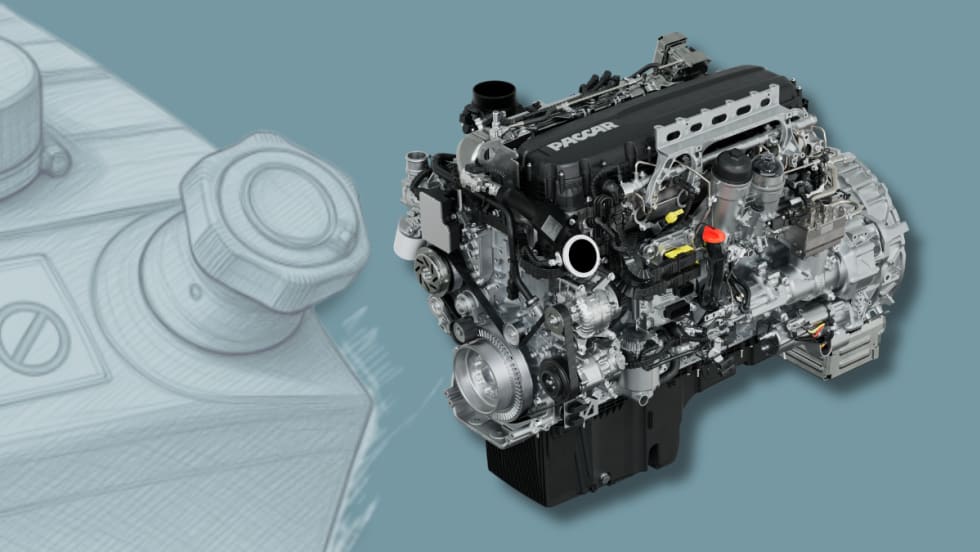
Cummins, Paccar Ease DEF Derates After EPA Guidance
Updated diesel engine software gives truck operators more time to address emissions-system issues while staying compliant with EPA emissions standards.
Read More →