




Truck Industry Safety Performance Reached Record Levels in 2009
The rate of truck-involved fatalities on U.S. highways fell to 1.17 per 100 million miles in 2009 - making that year the trucking industry's safest since the federal government began keeping track in 1975. But American Trucking Associations representatives say more can be done, and called for the government to look at incentive-based programs to drive safety technology
The rate of truck-involved fatalities on U.S. highways fell to 1.17 per 100 million miles in 2009 - making that year the trucking industry's safest since the federal government began keeping track in 1975. But American Trucking Associations representatives say more can be done, and called for the government to look at incentive-based programs to drive safety technology.
The rate fell 14.1 percent from the revised fatality rate of 1.37 in 2008, according to an analysis of data released by the Federal Highway Administration and the National Highway Traffic Safety Administration.
"Dedication to safety is a core value of ATA and the trucking industry," said American Trucking Associations Chairman Barbara Windsor, president and CEO of Hahn Transportation, New Market, Md.. "We've expressed that with our 18-point progressive safety agenda and programs like Share the Road and America's Road Team. These figures are the fruits of those efforts."
In addition to the fatality rate, the truck occupant fatality rate fell more than 17 percent to 0.17 per 100 million miles traveled.
In 2009, NHTSA recorded 3,380 fatalities in 2,987 crashes, both down from the 4,245 fatalities and 3,754 crashes reported the previous year. FHWA reported that in 2009 trucks traveled more than 288 billion miles - down from 310.7 billion the previous year, though the agency significantly increased its historical truck mileage figures prior to publishing their 2009 data.
"These improvements are a testament to the commitment to safety made by the trucking industry, the federal government, and trucking's law enforcement partners," ATA President and CEO Bill Graves said. "All in all it is a culture that has really been embraced by a lot of the large fleets."
At a press conference on Monday, Graves and Windsor along with ATA vice president of affairs, Dave Osiecki, agreed that while these new numbers are very good news, the battle to make our highways as safe as possible is not over. While more government regulations are to be expected in the future, Osiecki said the real key to continue increasing safety is government incentives for technology and the addition of nationally accessible safety tools.
"Mandates take longer over time than do incentive-based programs for voluntary adoption," Osiecki said, noting that regulations can take many years to develop. "We have to move to a safety management model."
A safety management model might include, among other things, tax incentives for new safety equipment, a national clearing house for drug and alcohol test results and advanced notification systems for drivers having problems on the road.
As trucking rebounds from the recessions, some have asked whether fatalities might rise again. Oseicki insisted that numbers the safety gain was made not just in actual numbers, but in the rate of fatalities, and that historically rates have not gone up during periods of economic recovery.
More Safety & Compliance
A Camera Isn't a Safety Program. Here's What Brokers Are Screening for Now
Footage alone may not be enough to pass broker vetting processes. Here's what counts as a defensible safety program now.
Read More →
Marijuana and Trucking’s Drug-Testing Dilemma
Marijuana is getting stronger, laws are changing, and drug tests still can’t reliably establish impairment. What does that mean for truck drivers and the fleets that employ them?
Read More →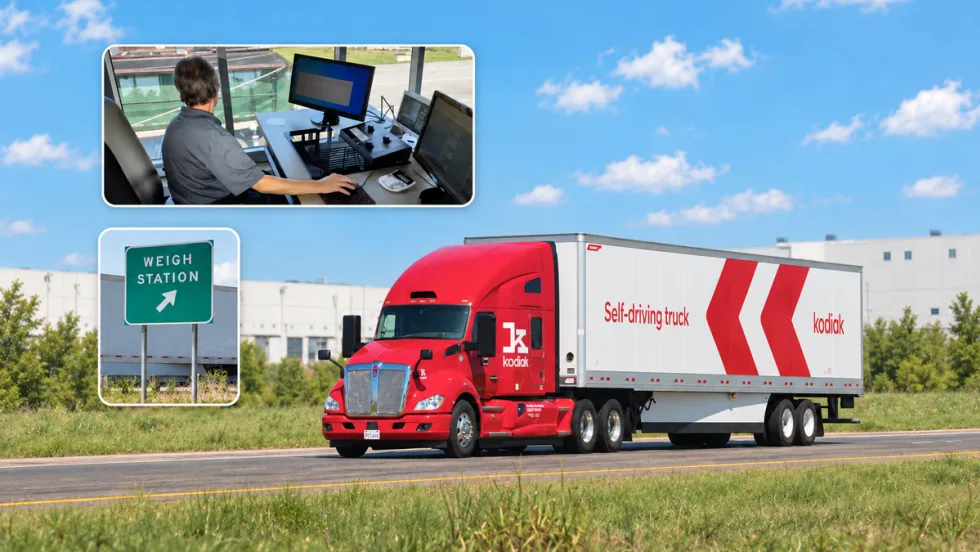
PrePass, Kodiak Connect Driverless Trucks to Roadside Enforcement
The system will allow enforcement agencies to verify Enhanced Inspection information and decide whether Kodiak’s autonomous trucks can bypass roadside screening sites.
Read More →

From One Generation to the Next: How Mentorship Builds Safer Truck Drivers
After three decades in trucking, Harold Perry shares what he's learned about driver safety, mentorship, and helping the next generation build confidence behind the wheel.
Read More →
FMCSA Pauses Biennial-Update Enforcement Amid Motus Transition
Carriers whose updates were due on or after June 1 have more time, while FMCSA works to stabilize its new registration system and warns of phishing sites impersonating its new carrier registration system, Motus.
Read More →
ZF Expands Commercial Vehicle Push in North America
ZF is expanding its North American commercial-vehicle presence with new transmission applications, electrification, trailer technology and autonomous-driving systems.
Read More →
Truck Drivers Need More Than Another Alert
Fleets have more visibility into truck health, safety events, and driver activity than ever. The next challenge is turning all that information into useful guidance for the person who has to decide what to do next.
Read More →
Tesla Wants a Self-Driving Semi. Are Cameras Enough?
Could Tesla’s camera-only autonomous driving technology work on an 80,000-pound Semi? In this commentary, HDT's Deborah Lockridge takes a look at Tesla, Cybercab, and how autonomous trucks see the road.
Read More →
What DOT’s Automated Vehicle Strategy Means for Trucking
The U.S. Department of Transportation issued a new automated-vehicle strategy that outlines plans for driverless-truck regulations, cross-state freight corridors, and federal safety standards.
Read More →
NYC Expands Speed, Pedestrian Safety Tech Across Fleet
New York City is expanding intelligent speed assistance and pedestrian-alert systems across its municipal fleet, moving the technologies from pilot programs into vehicle procurement and retrofit requirements.
Read More →