





Drivers, Parking, Insurance Top Issues of Concern for Trucking
Top 3 Truck Driver Concerns in 2020
Commercial truck drivers most frequently mentioned topics related to logistics, equipment, and fleet employees when submitting feedback about their jobs, according to WorkHound’s annual report.
February 9, 2021
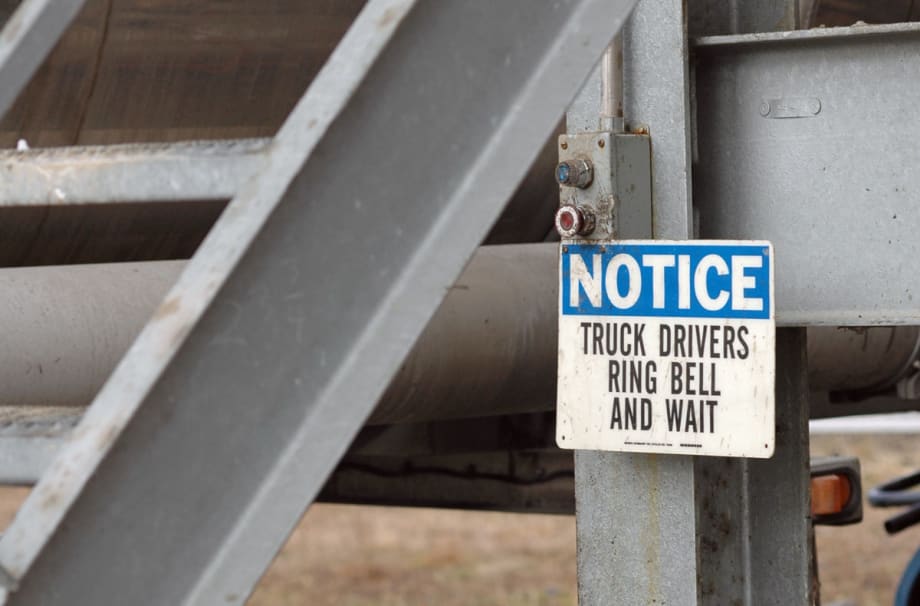
Logistics-related issues, such as scheduling and delays, were a major pain point for drivers in 2020.
Photo: Jim Park
3 min to read
Last year, more than 12,000 commercial truck drivers from 64 companies in the U.S. provided feedback on all aspects of their job through WorkHound’s anonymous feedback platform. The most frequently mentioned topics in 2020 related to logistics, equipment, and fleet employees, according to WorkHound’s annual report.
The company’s annual report summarizes driver feedback gathered through a continuous, open-ended survey. The survey was texted to company and contracted drivers who haul a mix of dry van, reefer, tanker, intermodal, flatbed and expedited freight.
The top three areas where WorkHound gathered the most feedback were as follows:
1. Logistics (fleet operations, load planning, delays and route challenges)
The most dominant theme of driver feedback in 2020 was logistics, which included feedback related to operations, load planning, delays and challenges with routes.
Nearly half of all comments that related to logistics involved planning or scheduling. The other half of comments related to lack of work, loss of time and time at home.
Despite logistics dominating the feedback for the year, there was a slight decline in those comments in the later half of the year. In January 2020, logistics made up about 28% of all comments, and by December 2020, logistics represented 16% of comments.
Based on the feedback, WorkHound officials recommended in the report that trucking companies develop transparent communications with drivers to keep them in the loop regarding changes to planning, scheduling, load specifics and expected length of the workday.
2. Truck Equipment
The second most common theme of driver feedback related to equipment. Oftentimes, those comments tended to be urgent.
About 20% of equipment feedback related to truck maintenance, and often involved either the maintenance bay not fixing the equipment or requiring drivers to make multiple trips to the shop for the same issues. Timeliness of repairs was also a concern.
To address these concerns, WorkHound recommended trucking companies set realistic expectations around anticipated shop wait times, invest in high-quality technician training, and set a communication policy between maintenance and drivers.
3. People (dispatchers, techs, planners and fleet managers)
Feedback in the people category covered interactions with other drivers, support staff — like dispatchers, technicians, planners and office staff — and fleet management. Managers appeared in comments about 33.5% of the time.
When it came to feedback about new drivers, managers and support staff, only 22% of those comments were positive and frequent. Poor training and poor communication are likely causes of frustration when it comes to new hires, WorkHound found.
“Adequate training and comprehensive communication at all levels of the company can alleviate some of the perceived pressure drivers feel when it comes to onboarding or picking up the slack for new staff or drivers,” WorkHound officials said in a webinar.
WorkHound suggests fleets create initiatives that build the familiarity between drivers and support staff, as well as being transparent about changes to policy snd workflow, as well as provide adequate training for new drivers and other staff.
Nearly 11% of all comments gathered were classified as critical comments, meaning they included feedback that indicates a blend of urgency and low satisfaction rates. Of those critical comments, the feedback related mostly to logistics and people.
More Drivers

Platform Science Adds Dispatch and Safety Tools
Four additions to PS Fleet help fleets monitor loads, manage driver coaching, share truck locations and adjust video system settings.
Read More →
When Language Stops the Truck: The Return of ELP Out-of-Service Orders
English language proficiency rules for commercial drivers aren’t new, but renewed out-of-service enforcement has raised the stakes. Here’s what carriers need to know before a driver reaches a roadside inspection.
Read More →
Samsara Launches Custom AI Agent Builder
Agent Studio lets fleets create AI tools for hours-of-service monitoring, reporting and driver support, including agents that communicate by phone.
Read More →
Trucker Path Expands Reserved Parking Network
Trucker Path has added close to 6,000 more truck parking spaces to its Trucker Path Reserved Parking Network with the addition of Safe Truck Parking.
Read More →
EEOC Sues Texas Trucking Company Over Driver Age Limits
The agency says Trancasa USA rejected applicants over 65 and applied tougher driving-record standards to those over 60.
Read More →
Nussbaum, Roehl Announce Second Driver Pay Increase This Year
This year has seen a swath of major truck driver pay increases as freight capacity has tightened.
Read More →
From One Generation to the Next: How Mentorship Builds Safer Truck Drivers
After three decades in trucking, Harold Perry shares what he's learned about driver safety, mentorship, and helping the next generation build confidence behind the wheel.
Read More →
Truck Drivers Need More Than Another Alert
Fleets have more visibility into truck health, safety events, and driver activity than ever. The next challenge is turning all that information into useful guidance for the person who has to decide what to do next.
Read More →
FMCSA Removes 110 Truck Driver Training Schools from Certified ELDT List
Federal regulators also are targeting more than 160 additional training providers and launching a nationwide audit of third-party CDL skills testers as part of a broader crackdown on trucking fraud.
Read More →
Hours of Service Pilot Programs: FMCSA Readies for 2027 Rollout
Two pilot programs could eventually reshape hours-of-service rules, giving truck drivers options to pause their 14-hour clock or use longer split sleeper rest periods.
Read More →