




Texas DOT Planning for Freight Boom From Panama Canal expansion
Saying the state is in a "unique position" to take advantage of the upcoming expansion of the Panama Canal, the Texas Department of Transportation is taking steps to make sure the Lone Star State is well-positioned to capitalize on this economic opportunity
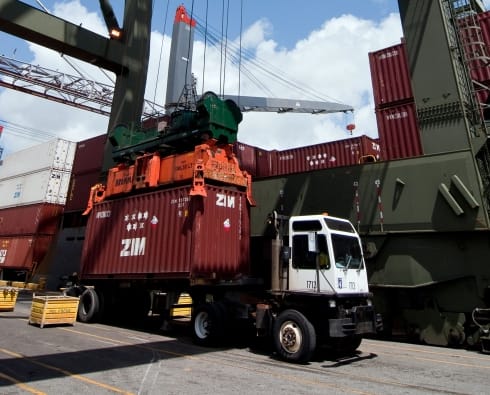
Saying the state is in a "unique position" to take advantage of the upcoming expansion of the Panama Canal, the Texas Department of Transportation is taking steps to make sure the Lone Star State is well-positioned to capitalize on this economic opportunity.
TxDOT is creating a Panama Canal Stakeholder Working Group, made up of a wide variety of entities with an interest in the expansion of the canal. It's seeking input from them on promoting port activities in state transportation planning, on tackling highway bottlenecks such as bridges and links to terminals, and supporting rail investment, especially for exports.
A 2011 Cambridge Systematics study concluded the expansion will allow demand for import and export shipments via Western U.S. Coast ports to remain substantial in coming years, though those ports face physical and other limited constraints to expansion.
This means constraints on West Coast ports could result in more cargo being shipped through Texas ports.
"Preparing the state's infrastructure for such an expansion, in terms of sea and land-based infrastructure, is crucial to accommodating this increased freight traffic," said State Representative Larry Phillips.
A New York Times article earlier this year reported that state officials disagree on the size of the economic benefits and the ability of the state's already congested railways and roads to handle the predicted increase in traffic.
A Port of Houston official told the paper it's being conservative in its predictions, foreseeing a 15% increase in container ship traffic on the trade lane from Asia to Houston.
The TxDOT group will produce a report by year's end assessing the state's readiness to maximize any opportunities the Canal's expansion might bring.
The group will be led by Harris County Judge Ed Emmett, a former state representative, and former member of the Interstate Commerce Commission. Before becoming County Judge, Emmett was a recognized expert on freight transportation issues and logistics, according to TxDOT.
"This collaboration presents us with an opportunity to fully understand the impact of the Panama Canal expansion on Texas' imports and exports and to prepare for that impact." said Judge Ed Emmett.
TxDOT has invited entities from the port, agriculture, trucking, manufacturing, government, oil and gas, and rail industries to be a part of the group. Those confirmed include representatives from the Texas Association of Manufacturers, Texas Port Association, Texas Motor Transportation Association, Texas Farm Bureau, Economic Development and Tourism Division of the Governor's Office, Port of Houston Authority, Texas Economic Development Council, BNSF, and Judge Ed Emmett.
"Bringing together a broad group of experts involved in freight movement in Texas will allow us to develop a comprehensive master plan that addresses connectivity with our ports and potential expansion of export opportunities," said Bill Meadows, Texas Transportation Commissioner. "This Stakeholder Group will focus on enhancing and facilitating the flow of goods through and on our system, which does not stop at our ports but continues through our major corridors such as I-35 and I-69. "
Plans are for the group to meet approximately once monthly for the next six months.
More Fleet Management

What the U.S.-Canada Trade War Means for Trucking
Escalating U.S.-Canada tariffs could disrupt cross-border freight, reduce truck volumes, raise costs, and create new uncertainty for carriers on both sides of the border.
Read More →
What Are Trucking’s Top Concerns for 2026?
The American Transportation Research Institute wants to know what's worrying trucking fleet managers, drivers, and other stakeholders in its annual Industry Issues survey.
Read More →
American Trucking Associations Looks for a New Leader
ATA President and CEO Chris Spear abruptly left his job at the association on August 21, at a pivotal time for the trucking industry.
Read More →
Public Wi-Fi Cybersecurity Risks: How Truck Drivers and Fleets Can Protect Their Data
Public Wi-Fi can expose truck drivers and fleets to credential theft, malware, and other cyber threats. Here’s how to reduce the risk on the road.
Read More →
For Nicky Cupp, Fleet Innovation Starts With Frustration
HDT Truck Fleet Innovator Nicky Cupp turns everyday pain points at Fraley & Schilling into opportunities for better technology and smarter processes.
Read More →
Adam Buttgenbach’s Approach to Electric Trucks: Start With Where They Fit
HDT Truck Fleet Innovator Adam Buttgenbach helped PepsiCo build one of North America’s largest EV fleets by focusing on where electric trucks make operational sense.
Read More →
Deen Albert: Let Automation Do the Math, People Make the Decisions
HDT Truck Fleet Innovator Deen Albert makes sure people are still at the heart of operations at Grand Island Express, even while adopting artificial intelligence tools. AI-assisted dispatch helped boost revenue 25% with the same number of trucks.
Read More →
Trimble’s New AI Agent Takes Aim at Fleet Back-Office Busywork
Arc Agent works across Trimble TMS products to automate repetitive tasks such as freight orders, maintenance, invoices, fuel costs and more.
Read More →
How HDT’s 2026 Truck Fleet Innovators Are Rethinking Fleet Operations
Meet five trucking leaders who are challenging assumptions, solving operational problems, and putting innovative ideas to work.
Read More →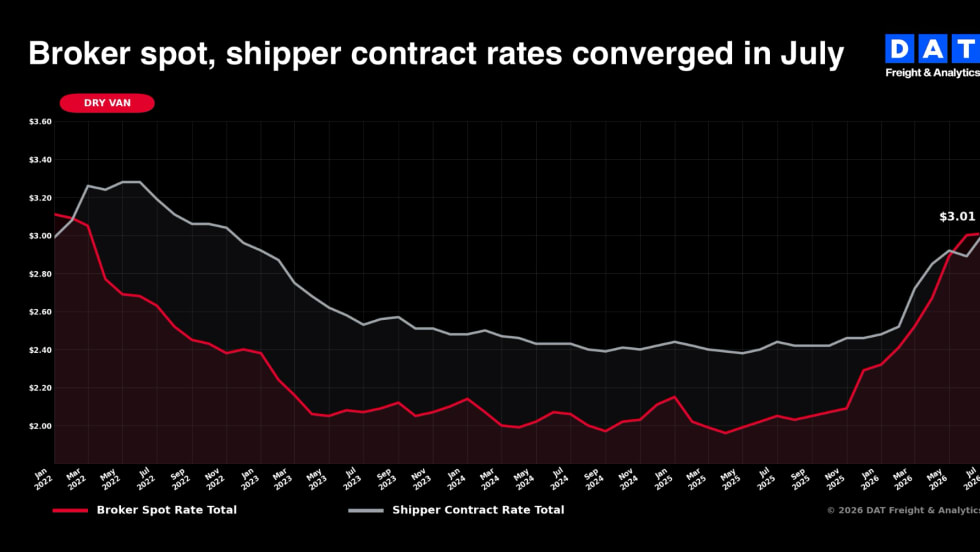
Tight Trucking Capacity Pushes Rates Higher Even as Freight Volumes Fall
“Spot rates moving ahead of contract rates have historically signaled a tightening market, but we haven’t seen a capacity-driven market quite like this one,” said DAT's Dean Croke.
Read More →