




Americans overall are not as aggressive on the road as they have been in the past as driver safety and rudeness continue to improve, says the fourth annual Nerves of Steel survey.
The survey, conducted by TheSteelAlliance, determined that Seattle is the safest and most polite city in the U.S. when it comes to driving. On the other end of the spectrum, Boston is still home to the most aggressive drivers, even though the city was the most improved in terms of safety from last year's survey. Miami's drivers earned the title of rudest drivers in the nation.
Across all cities surveyed in 2002, safe driving is on the rise. Five cities, including Boston, Los Angeles, Washington, D.C., Chicago and Miami, significantly improved their safety grades over the past year.
The 2002 Nerves of Steel survey revealed that the city with the most aggressive and unsafe drivers among the 10 surveyed was Boston, which earned a C for safety. In the month prior to the survey, 44 percent of Boston's drivers had committed at least four or more aggressive acts on the road, including tailgating, speeding and waiting until the last second to merge. Although Boston is considered the most aggressive and unsafe city of the survey, the city earned the title of most improved for safe driving in 2002 after scoring a failing grade in the 2001 survey.
According to drivers in Seattle, the West Coast is home to the safest roads in America. Seattle's drivers earned an A in safety, with only 23 percent of its drivers committing excessive acts of aggression on the road. Other cities with safe drivers included Detroit, Cleveland, Chicago and Los Angeles.
Fifty-seven percent of drivers in Miami, the highest percentage of all 10 cities surveyed, believe that the drivers in their city are ruder than drivers in other cities. Miami received an F, earning the champion title for rudest drivers of the 2002 survey. And when it comes to rudeness, Miami's female drivers outranked their male counterparts in nine of 13 driving categories. Aside from Miami's F, rudeness grades continue to improve in 2002. Three cities raised their grades and five retained their grades from the 2001 survey. Seattle, this year's safest city, also is the 2002 winner for the most polite city. Only 11 percent of drivers in Seattle feel that they are ruder than drivers in other cities. Other polite cities include Cleveland, Denver, Detroit and Dallas. Los Angeles drivers were the most improved in the rudeness ranking, raising their grade from a D to a B.
Despite this general trend towards more tolerance on the road, Capital Beltway drivers may soon be on their way to earning the title of the rudest drivers in the country. Drivers in Washington, D.C. were the only drivers to lower their rudeness grade over the past year.
Survey: Driver Safety and Rudeness Improving
Americans overall are not as aggressive on the road as they have been in the past as driver safety and rudeness continue to improve, says the fourth annual Nerves of Steel survey
More Safety & Compliance
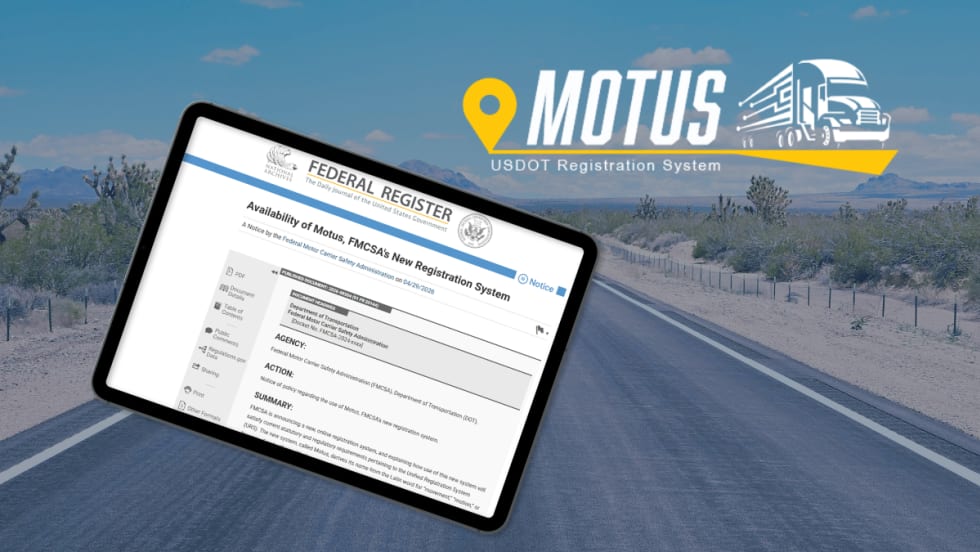
FMCSA’s Motus System Is Coming. What Fleets Need to Know Now
FMCSA's long-awaited registration system promises a single portal — and tighter fraud controls. And there are steps you need to take by May 14.
Read More →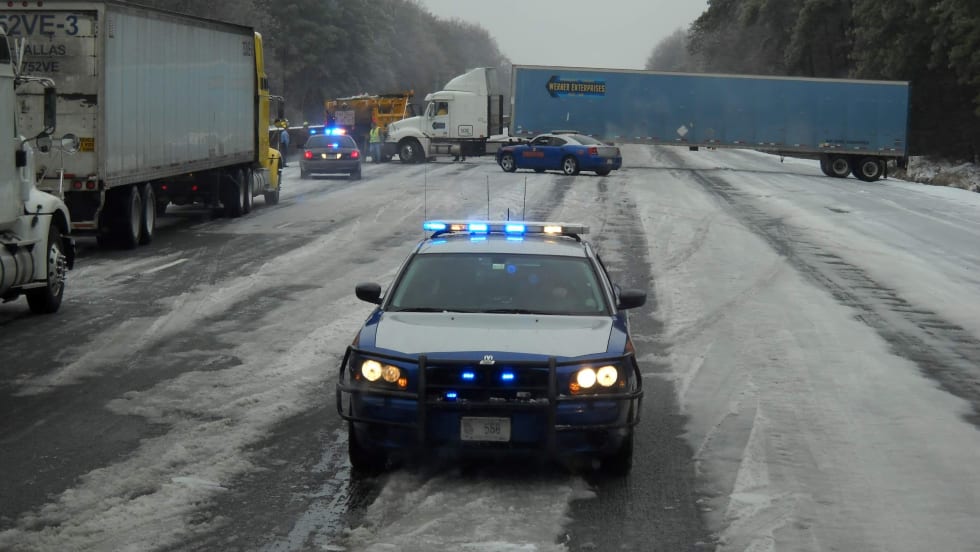
Avoiding Winter Pileups: Don’t Become the Next Link in the Crash-Chain
Winter roadway “pileups” aren’t one crash — they’re a chain reaction. Here’s what triggers them, how truck drivers can spot the danger early, and what to do if you're suddenly trapped in the mess.
Read More →
Nominations Open for HDT Truck Fleet Innovators 2026
Heavy Duty Trucking is searching for forward-looking leaders at trucking fleets as nominations for HDT’s Truck Fleet Innovators 2026. Deadline is May 15.
Read More →
Freightliner Expands Detroit Assurance with New Intersection and Turning Safety Tech
Detroit’s next-generation ABA6 safety system adds cross-traffic detection and enhanced side guard assist with left-turn protection, targeting high-risk urban scenarios.
Read More →
'Beyond Compliance,' Regulations, Driver Coaching on ATRI’s 2026 Research List
The American Transportation Research Institute will examine driver coaching, regulatory impacts — including the "Beyond Compliance" concept —and weather disruptions that shape trucking operations.
Read More →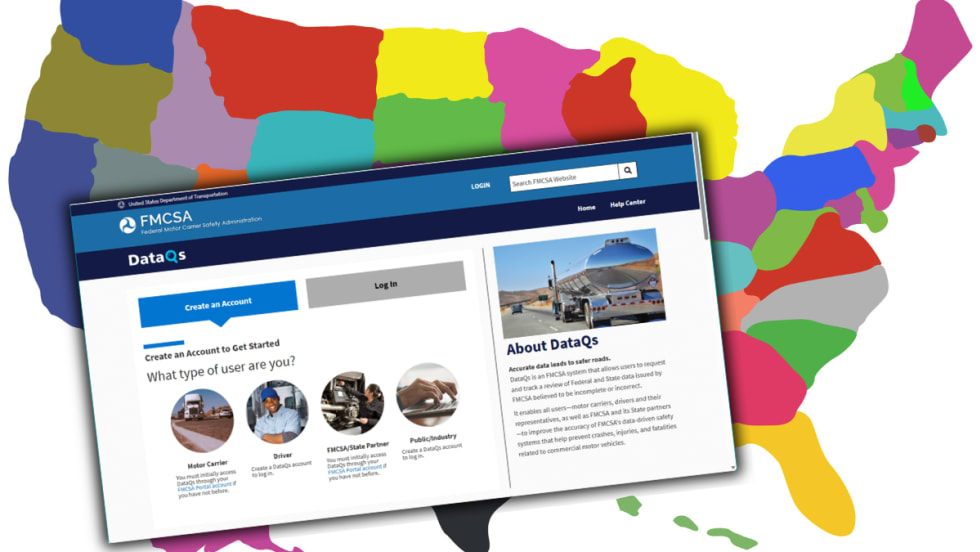
FMCSA Revamps DataQs to Improve Fairness, Speed of Reviews
New requirements add firm deadlines and independent review steps, addressing long-standing complaints about inconsistent rulings and slow response times.
Read More →
FMCSA Extends Paper Medical Card Exemption … Again
Five states still aren't ready to accept commercial driver medical exam information directly from the medical examiner's registry.
Read More →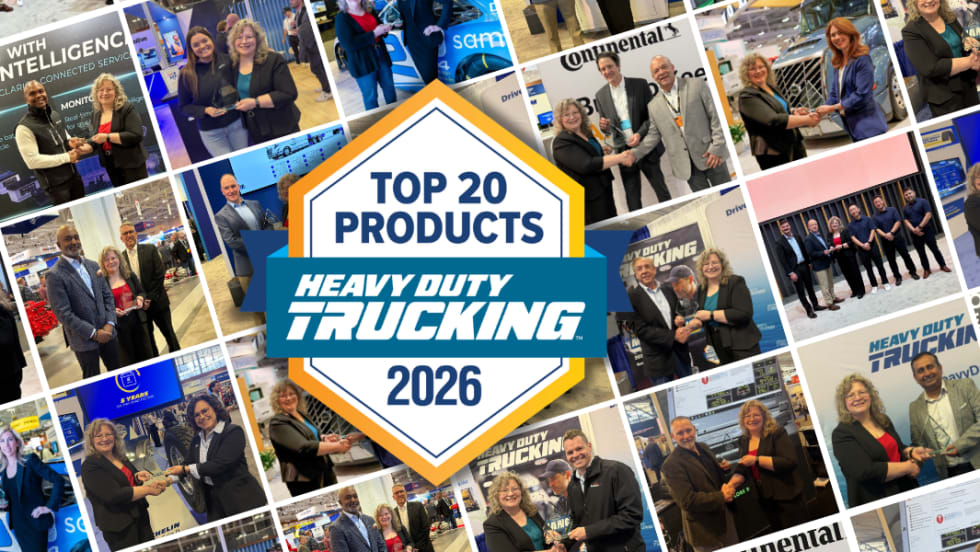
HDT Honors the Best New Products of 2025 at TMC [Photos]
Heavy Duty Trucking's Top 20 Products awards recognize the best new products and technologies. Check out the award presentations at the 2026 Technology & Maintenance Council annual meeting.
Read More →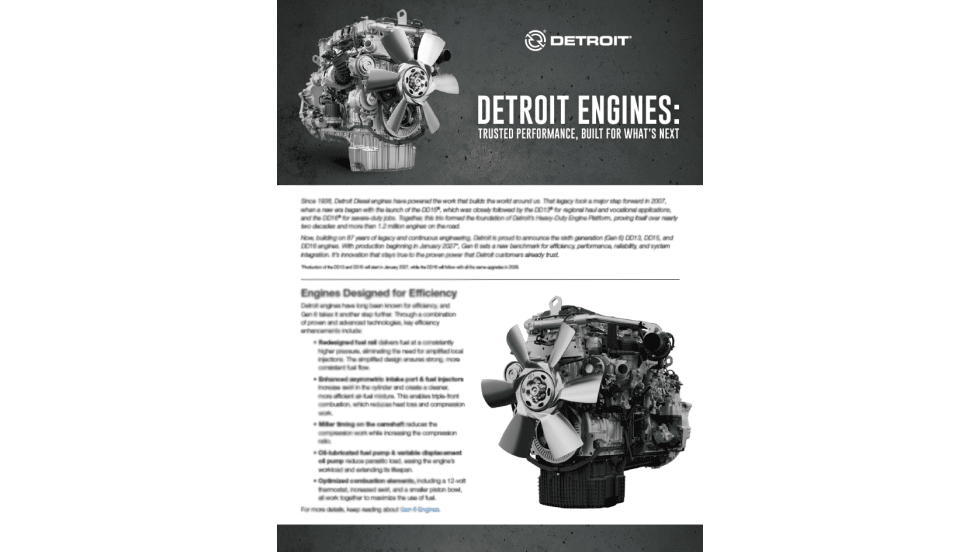
Detroit Engines: Trusted Performance, Built for What's Next
The Detroit® Gen 6 engine platform proves that real progress doesn’t require a complete redesign. Built on 20 years of trusted technology, these engines are designed for efficiency, stronger performance, and greater reliability than before. And they do it all while complying with 2027 EPA standards on every mile.
Read More →
Aperia Expands Halo Platform with Steer-Tire Inflation System, Fifth-Wheel Integration
Aperia Technologies introduced a new automatic tire inflation system for steer axles and a partnership with Fontaine Fifth Wheel to integrate coupling status into its Halo Connect platform.
Read More →