




Study Withheld by NHTSA Finds Danger in Hands-free Devices
A National Highway Traffic Safety Administration study, withheld from the public since 2003 and finally released Tuesday, found that hands-free mobile technology presents as much of a safety hazard as handheld phones
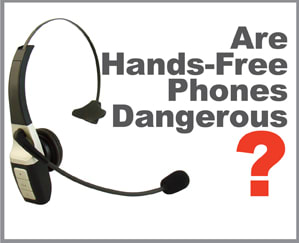
A National Highway Traffic Safety Administration study, withheld from the public since 2003 and finally released Tuesday, found that hands-free mobile technology presents as much of a safety hazard as handheld phones.
Two advocacy groups, Public Citizen and the Center for Auto Safety, obtained the data, which was published on the New York Times web site.
"Specifically, the experimental data reveal observable degradations in driver behavior and performance and changes in risk-taking and decision-making behaviors when using both hand-held and hands-free mobile phones," the study said.
The two safety groups expressed concern over the information that was kept secret for six years, saying that the government has endangered lives. In addition, many cities and states have approved laws requiring drivers to opt for hands-free phones, rather than handheld.
"By withholding this data, the National Highway Traffic Safety Administration led consumers to believe that it was safe to talk on their cell phones while driving if they kept both hands on the wheel," a Public Citizen press release said.
The study points to the danger of simple conversation, which can disrupt attentive scanning and information processing of the visual scene. The research says this conversation can contribute to extra demand on the driver, which can cause late detection, reduced situation awareness and reduced margin of safety. The report also finds that drivers using hands-free features talk on the phone with greater frequency and for longer intervals.
The Center for Auto Safety is petitioning the government to limit the availability of two-way communication features through in-vehicle systems while the vehicle is in motion, based on information in the report. The center is also urging the NHTSA to support state programs designed to limit use of all cell phones devices, hands-free and handheld, while driving.
The Center for Auto Safety obtained the study after suing the agency, which did not grant its Freedom of Information Act request in 2008.
To access the study, click here.
More Safety & Compliance
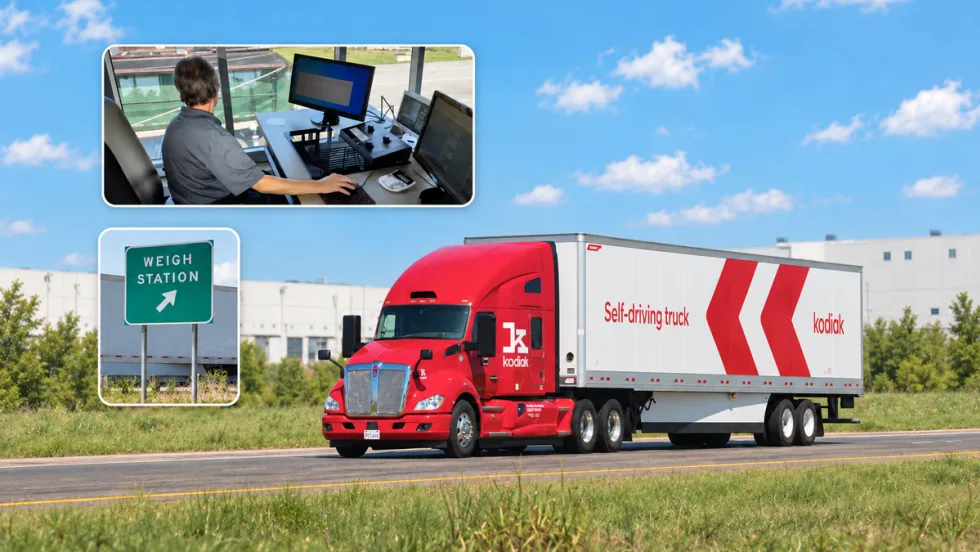
PrePass, Kodiak Connect Driverless Trucks to Roadside Enforcement
The system will allow enforcement agencies to verify Enhanced Inspection information and decide whether Kodiak’s autonomous trucks can bypass roadside screening sites.
Read More →
From One Generation to the Next: How Mentorship Builds Safer Truck Drivers
After three decades in trucking, Harold Perry shares what he's learned about driver safety, mentorship, and helping the next generation build confidence behind the wheel.
Read More →
FMCSA Pauses Biennial-Update Enforcement Amid Motus Transition
Carriers whose updates were due on or after June 1 have more time, while FMCSA works to stabilize its new registration system and warns of phishing sites impersonating its new carrier registration system, Motus.
Read More →
ZF Expands Commercial Vehicle Push in North America
ZF is expanding its North American commercial-vehicle presence with new transmission applications, electrification, trailer technology and autonomous-driving systems.
Read More →
Truck Drivers Need More Than Another Alert
Fleets have more visibility into truck health, safety events, and driver activity than ever. The next challenge is turning all that information into useful guidance for the person who has to decide what to do next.
Read More →
Tesla Wants a Self-Driving Semi. Are Cameras Enough?
Could Tesla’s camera-only autonomous driving technology work on an 80,000-pound Semi? In this commentary, HDT's Deborah Lockridge takes a look at Tesla, Cybercab, and how autonomous trucks see the road.
Read More →
What DOT’s Automated Vehicle Strategy Means for Trucking
The U.S. Department of Transportation issued a new automated-vehicle strategy that outlines plans for driverless-truck regulations, cross-state freight corridors, and federal safety standards.
Read More →
NYC Expands Speed, Pedestrian Safety Tech Across Fleet
New York City is expanding intelligent speed assistance and pedestrian-alert systems across its municipal fleet, moving the technologies from pilot programs into vehicle procurement and retrofit requirements.
Read More →
FMCSA Removes 110 Truck Driver Training Schools from Certified ELDT List
Federal regulators also are targeting more than 160 additional training providers and launching a nationwide audit of third-party CDL skills testers as part of a broader crackdown on trucking fraud.
Read More →
Beyond DOT Compliance: What Makes a Trucking Fleet Truly Safe?
A trucking fleet can follow every rule and still make unsafe decisions. The real test comes when safety conflicts with freight, productivity, or cost.
Read More →