




Study Says Americans Lack Enough Sleep
A new study concludes truckers are among the millions of American not getting enough sleep, putting them at increased risk for accidents, injuries and health problems
A new study concludes truckers are among the millions of American not getting enough sleep, putting them at increased risk for accidents, injuries and health problems.
The National Sleep Foundation Tuesday released findings from its annual poll on sleep in America. The poll results underscore what researchers and industry experts have said for years - that fatigue in the workplace costs American industry at least $77 billion per year.
"Employee fatigue has been linked to many of the most notorious incidents of our time, including the Exxon Valdez, Chernobyl, and Three Mile Island, not to mention up to 25 percent of all highway accidents," said Dr. Martin Moore-Ede, president and CEO of Circadian Technologies Inc. a firm that implements corporate programs to reduce workplace risk factors.
"With Americans working longer hours, including demanding overnight shifts, I fully expect that the epidemic of employee fatigue will continue to cause significant problems," he said.
Over 45 percent of companies with round-the-clock operations view the business risks associated with fatigue as severe to moderate, according to CTI. In fact their most recent survey finds that operations managers believe employee fatigue to be the direct cause of at least 18 percent of all accidents and injuries suffered in their facilities.
Numerous research studies have demonstrated that shiftworkers are two times more likely than the average American to suffer from sleep apnea, which results in constant interrupted sleep and is directly linked to higher workplace accident rates. Sleep apnea is characterized by loud snoring and numerous instances of pauses in breathing during sleep.
According to the NSF poll, a majority of Americans support increased regulation on the number of hours worked by employees in demanding professions - such as doctors, pilots and truck drivers. Legislators in many states are already drafting legislation to limit the work hours of doctors and nurses, and industry interest groups continue to debate federal government efforts to revisit hours-of-service regulations in trucking, motorcoach, aviation, and rail industries.
According to Moore-Ede, "Recent court cases holding companies liable for employees who suffer fatigue-related injuries, as well as the current environment of soaring insurance premiums, are increasing pressure on companies to take proactive steps to reduce the chronic levels of drowsy employees in their workplaces."
According to CTI's research, which has been accumulated over 20 years, companies wanting to reduce the business risk from human factors can do several things:
Evaluate their workforce towards better determining which schedules are least fatiguing and ensure the highest levels of performance and safety.
Provide training for employees to educate them on how to reduce the risks associated with managing their lives around their work schedules.
Perform periodic health and safety assessments of employees in order to implement programs to control risks from human factors.
Measure employee fatigue levels while on-duty, and provide an alternative framework to hours of service regulations.
More Safety & Compliance

$604 Million Verdict Tests Broker Liability After Supreme Court Ruling
C.H. Robinson plans to appeal after a Texas jury found it bore the largest share of responsibility for a fatal 2021 crash, in a case that follows the Supreme Court's Montgomery decision allowing negligent hiring claims against freight brokers.
Read More →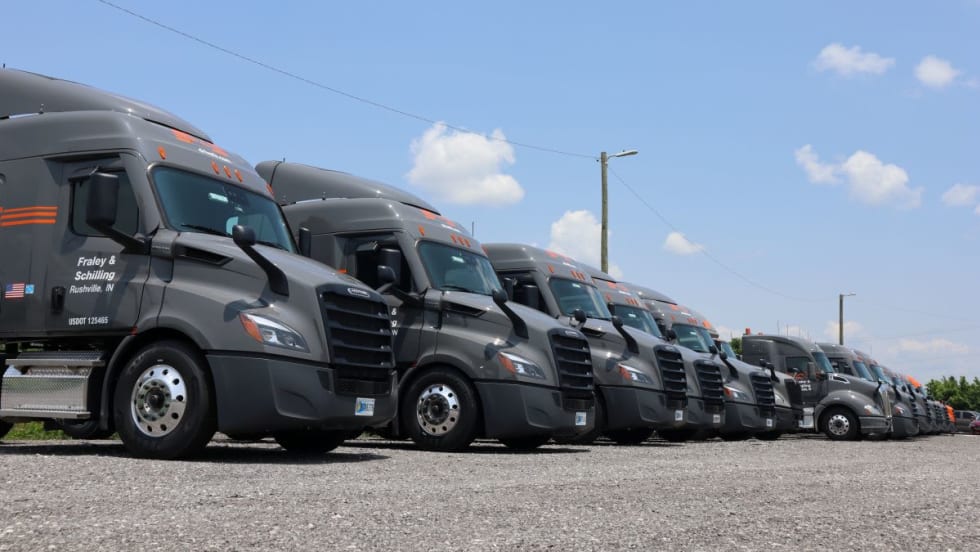
How Fraley & Schilling Improved Logbook Compliance by Over 50%
Fraley & Schilling needed a way to close a compliance workflow gap in its ELD system without adding more work from driver training, reminders, and back-office follow-ups. It found the answer in a custom driver app.
Read More →
Farewell, CDL: Why I'm Giving Up My Commercial Driver's License
After more than 20 years as a CDL holder, HDT Executive Editor Jack Roberts is letting his commercial license expire. Not because he wants to — but because trucking's nuclear verdict crisis has made the risks of public-road test drives too great for editors, manufacturers, and everyone involved.
Read More →
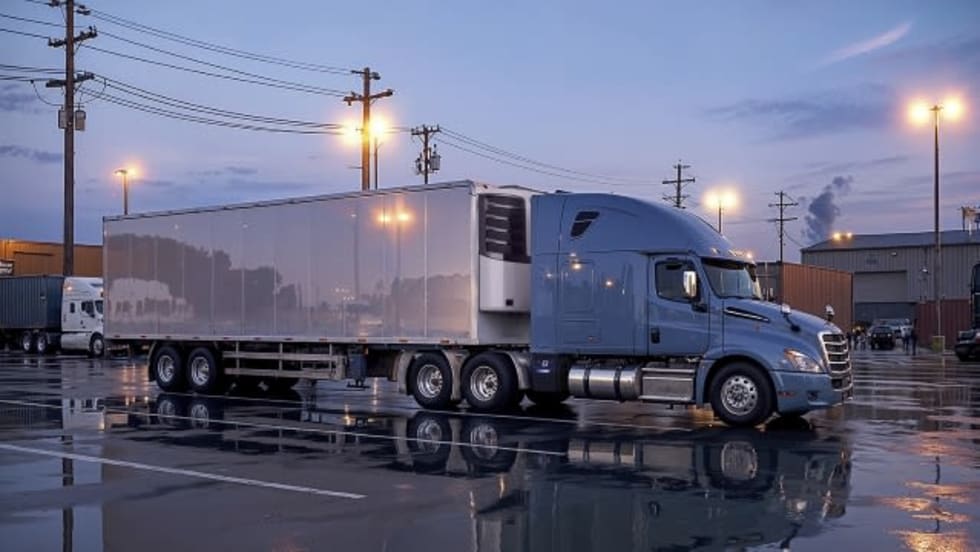
Enhance Fleet Performance with High-Efficiency Auxiliary Power Units
Drive sustainable cost savings while increasing driver comfort during short- and long-haul logistics operations.
Read More →
Wabash Trailers Recalled for Improperly Installed Underride Guards
More than 900 Wabash dry van trailers may not comply with the Federal Motor Vehicle Safety Standard for rear impact guards.
Read More →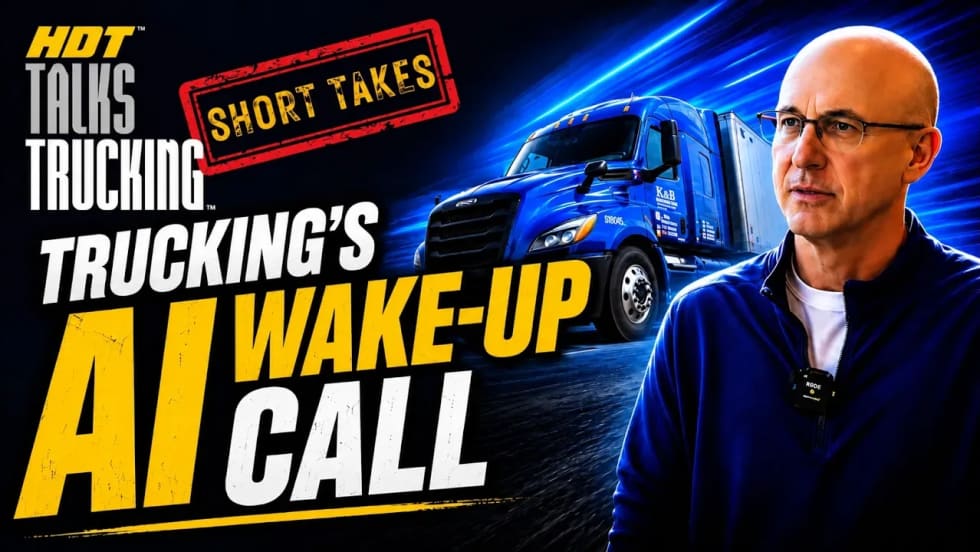
Why K&B Trucking Is Embracing AI and Driver Safety Technology
Crunching data and embracing artificial intelligence are key in K&B Trucking's safety efforts, says the company's safety director.
Read More →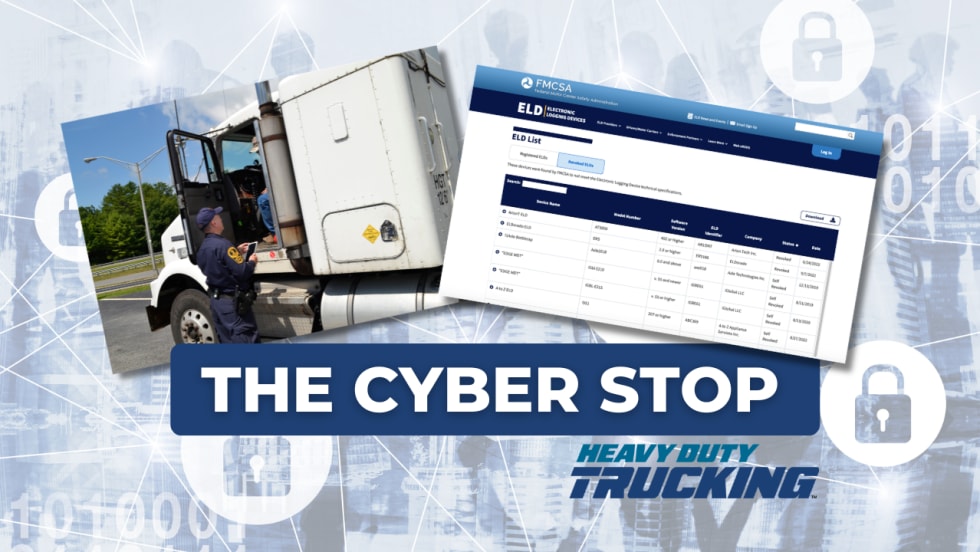
The Hidden Problem Behind FMCSA's ELD Revocations
NMFTA researchers say dozens of registered ELDs may be built on the same software platforms, allowing compliance and security concerns to persist even after individual devices are removed from the market.
Read More →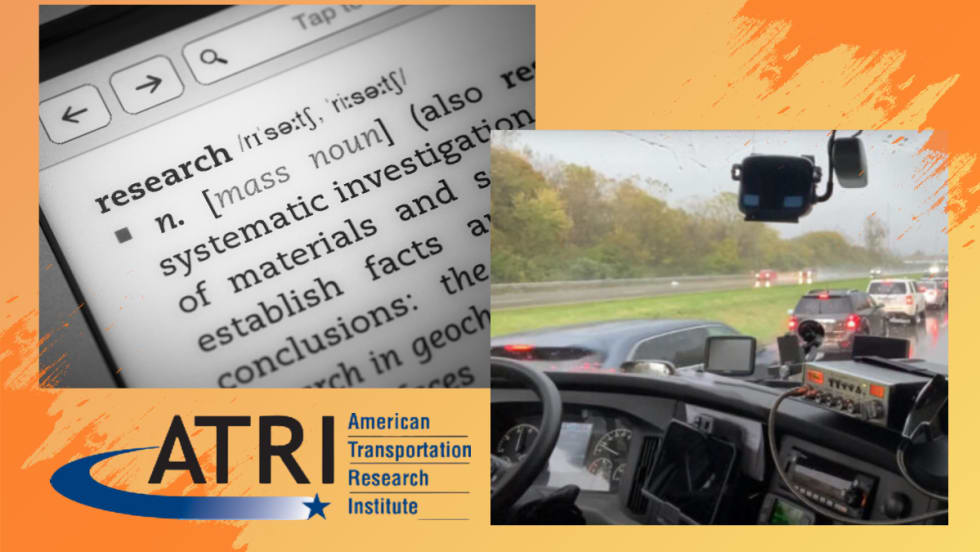
ATRI Wants Motor Carriers for Driver-Facing Camera Study
In this new study, the American Transportation Research Institute will explore how driver-facing cameras can impact safety and operational metrics in trucking fleets.
Read More →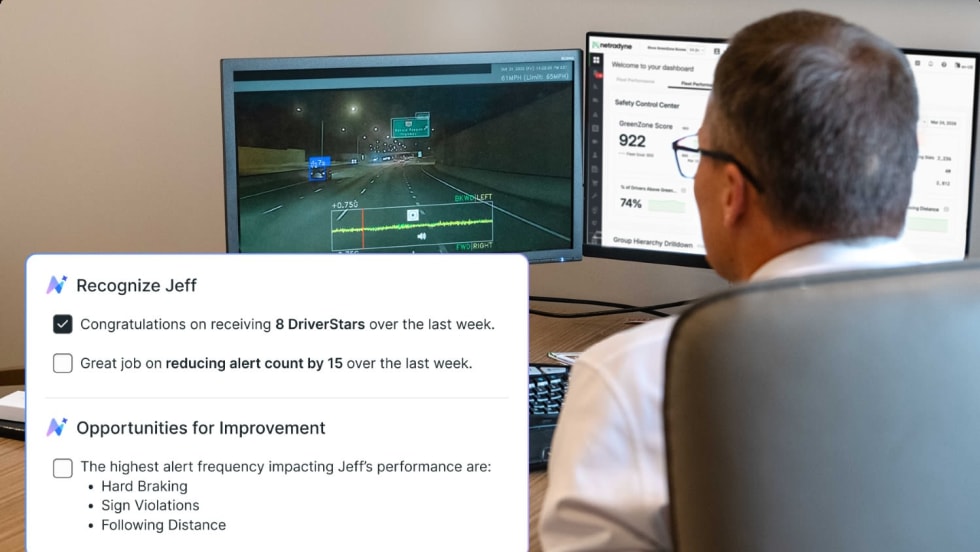
Netradyne Intelligence Uses New AI Agents to Automate Response to In-Cab Camera Data
The company called the next-generation in-cab camera safety platform "a fundamental shift from systems that report on what happened to systems that actively drive what should happen next."
Read More →Mack, Volvo Issue ‘Do Not Drive’ Recall on Possible Wheel-Offs
Owners will be sent advance notice not to operate their affected vehicles until the remedy is performed.
Read More →