




Study: New Diesel Truck and Bus Engines Emissions Dramatically Cleaner Than Expected
A new study says the reduction in emissions in the newest clean-diesel engines has exceeded the amount required by law. The study by the Coordinating Research Council in cooperation with the Health Effects Institute highlights the low-emissions performance of the new generation of clean diesel technology manufactured starting in 2010.
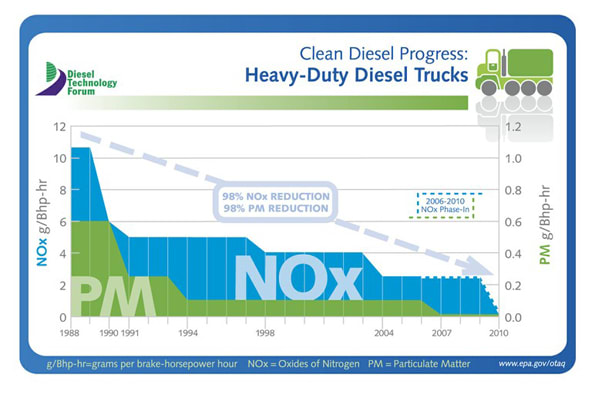

A new study says the reduction in emissions in the newest clean-diesel engines has exceeded the amount required by law.
The study released by the Coordinating Research Council in cooperation with the Health Effects Institute highlights the low-emissions performance of the new generation of clean diesel technology manufactured starting in 2010.
It found a more than 60% reduction in emissions of nitrogen dioxide as compared to previous 2007 models, and 99% reduction compared to 2004 models. The study notes that the reductions "exceeded substantially even those levels required by law."
"These findings underscore just how clean this new generation of fuels, engines and emissions control technology really is, coming in substantially cleaner than required under the EPA and California Air Resources Board standards" says Allen Schaeffer, executive director of the Diesel Technology Forum, an organization representing the diesel industry.
The Coordinating Research Council is an organization that directs engineering and environmental studies on the interaction between automotive/other mobility equipment and petroleum products whose partners include both government and industry.
The Health Effects Institute is an independent research organization that studies science on the health effects of air pollution whose sponsors include both the federal government and vehicle and engine makers.
The Advanced Collaborative Emissions Study is a multi-party five-year research effort to test the emissions and health effects of the new technology diesel engines to document the improvements that have been made and to ensure that there are no unintended emissions from this new technology. This portion of the ACES study builds on the findings from Phase 1 completed in 2009 that found substantially lower levels of emissions of particulate matter than anticipated. In that case 2007 engines were 99% lower compared to 2004 models.
"Not only are the 2010 and later model year technology near zero emissions for fine particles, this study confirms that they are also substantially below the EPA/CARB standard for one of the key precursors to ozone formation, nitrogen dioxide," says Schaeffer.
He says these findings ultimately translate into clean diesel technology delivering significant clean air benefits for local communities.
“There is also great confidence in this new generation of clean diesel technology from those that use it every day,” says Schaeffer “According to our research, today more than 11% of the commercial trucks and buses on the road are using the 2010 or newer generation of clean diesel technology; and more than one-third are using 2007 and newer technology.”
He notes not only are these heavy-duty trucks and buses lower in emissions for particulates and smog forming compounds like nitrogen dioxide as reported today, but they must continue to meet these near-zero clean air performance standards for 435,000 miles, almost four times longer than required for passenger cars.
"Getting to these near-zero levels of emissions is a result of the highly integrated clean diesel system, cleaner ultra low sulfur diesel fuel, advanced engine technologies and emissions control systems," says Schaeffer.
Starting Jan. 1, 2014, heavy-duty engine and truck makers will offer new models that comply with the additional new standards for lower emissions of carbon dioxide and minimum fuel economy levels, as required by EPA and the National Highway Traffic Safety Administration.
"This clean diesel, clean air success story is due to the billions of dollars in investments made by engine manufacturers, fuel suppliers and emissions control technology companies. While this study is limited to highway diesel engines used in commercial trucks and buses, over the last five years virtually the same requirements, such as cleaner diesel fuel and progressively lower emissions standards, have been phased in for a large portion of new non-road engines,” Schaeffer says. “This coming year marks one of the key emissions milestones from some of the larger diesel engines used in off-road machines and equipment and marine vessels and locomotives."
The study can be found on the Diesel Technology Forum website.
More Fuel Smarts

Trucking’s Diesel Squeeze Isn’t Letting Up
With diesel topping $6 a gallon nationally, ATA's Bob Costello explains why fleets should prepare for continued pressure at the pump.
Read More →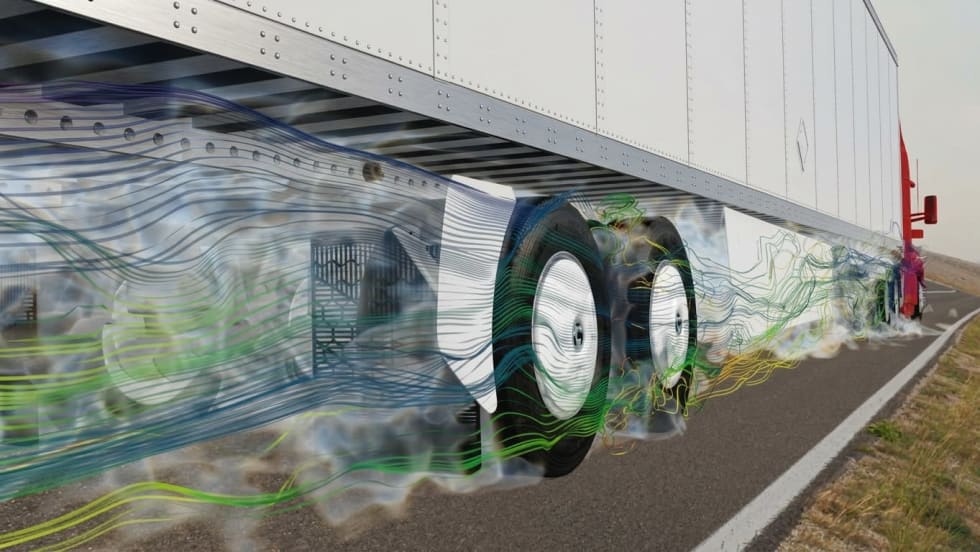
FlowBelow Redesigns Trailer AeroSlider to Cut Fuel Use
The lighter trailer aerodynamic system installs in less than 45 minutes, according to the company, with potential payback in under a year depending on fuel prices and trailer mileage.
Read More →
Why Diesel Price Relief Efforts May Fall Short
Diesel prices have eased from September’s record high, but doubts about additional Russian supply and limits on dyed-diesel tax relief mean trucking fleets still face expensive fuel. And prices could go higher.
Read More →
Why Small Fuel Savings Matter in Trucking
Can better fuel economy help pay for driver raises? In this podcast, GP Transco explains how small efficiency gains create room to reinvest in its people.
Read More →
How GP Transco Cuts Trucking Fuel Costs, a Tenth of a Gallon at a Time
What’s another tenth of a mile per gallon worth? GP Transco shares how equipment upgrades and driver coaching turn small gains into meaningful fuel savings.
Read More →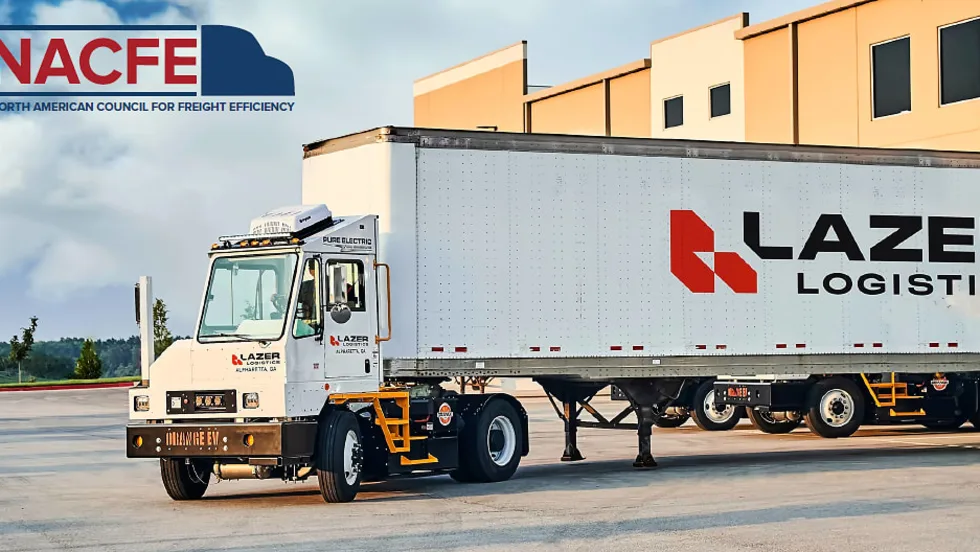
Electric Yard Tractors Move Beyond Pilots
Operating-cost savings have overtaken sustainability goals as the leading reason surveyed fleets are adopting battery-electric terminal tractors, according to new NACFE research.
Read More →
Geotab Links Fleet Card to Vehicle Data
The new card combines fuel discounts with telematics-based purchase controls. Geotab’s analysis also points to potential savings from choosing lower-priced fuel stops.
Read More →
Fleet Economics Shape Electric Truck Outlook
ACT Research expects costs, charging infrastructure, and technology improvements to drive zero-emission commercial vehicle adoption as federal regulations and incentives retreat.
Read More →
Wex Adds Cardless Fuel Payments for Over-the-Road Customers
A new fuel card feature for Wex customers offers convenience and security.
Read More →
New California Law Could Shed Light on Electric Truck Prices
Why do battery-electric Class 8 trucks remain so expensive? A California bill signed by Gov. Gavin Newsom would give fleets and state agencies more visibility into what manufacturers charge.
Read More →