




Stoughton Rolls Out PureBlue Reefer Trailer, Raises Safety Bar With 40-mph Rear Impact Guard
Stoughton’s new refrigerated trailer platform delivers double-digit efficiency gains while a next-generation rear impact guard exceeds current crash standards.

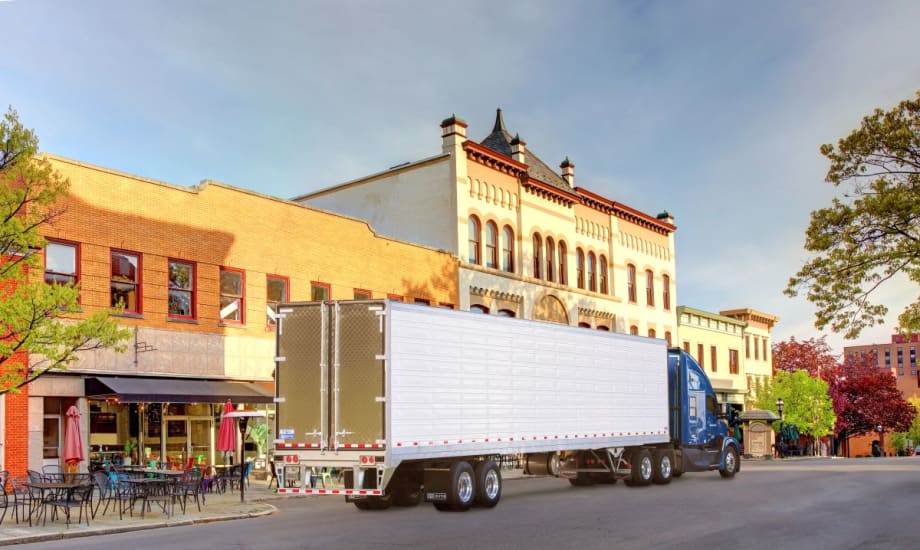
Stoughton's new PureBlue refrigerated trailer was developed with a focus on thermal efficiency, airtightness, and weight
Stoughton
Stoughton Trailers is expanding its push into the refrigerated trailer segment with the launch of its PureBlue platform. The trailer manufacturer said the new reefer pairs measurable efficiency gains with a major step forward in trailer safety.
Stoughton introduced PureBlue, along with a new 40 MPH rear impact guard, at a press event held at the TMC Annual Meeting in March, in Nashville,
During the press conference, company executives outlined how the new reefer trailer line is designed to improve thermal performance, reduce operating costs, and strengthen durability. They also highlighted the new rear impact guard that has been crash-tested beyond current industry benchmarks.
PureBlue Targets Efficiency, Operating Costs
The PureBlue refrigerated trailer was developed with a focus on thermal efficiency, airtightness, and weight. Stoughton said these three factors directly affect refrigeration unit runtime and fuel consumption.
According to Jack Hartnagel, fleet sales director, refrigeration, third-party testing found the trailer delivered an 18.2% improvement in thermal efficiency compared to competitive units, along with a 27.7% advantage in airtightness.
Those gains translate into real-world savings. The company said fleets could see nearly $1,000 per year in fuel savings per trailer due to reduced refrigeration unit workload.
Key to that performance is how the trailer is built. Stoughton emphasized:
- Wood-free construction to reduce thermal conductivity
- Bonded sidewall design to limit energy transfer
- A proprietary rear door gasket that maintains a tighter seal over time
The trailer also remains competitive on weight, coming in lighter than most comparable units tested, which can further improve payload capacity and revenue potential.
Beyond core performance, Hartnagel said Stoughton is positioning PureBlue as a flexible platform for evolving freight needs.
The company said it has expanded into multi-temperature configurations, including factory-installed remote evaporators, allowing it to better serve grocery and food distribution fleets.
At the same time, Stoughton has increased production capacity at its Evansville, Wisconsin, facility to support more complex builds and faster delivery timelines.
Rear Impact Guard Surpasses 40-Mph Crash Test
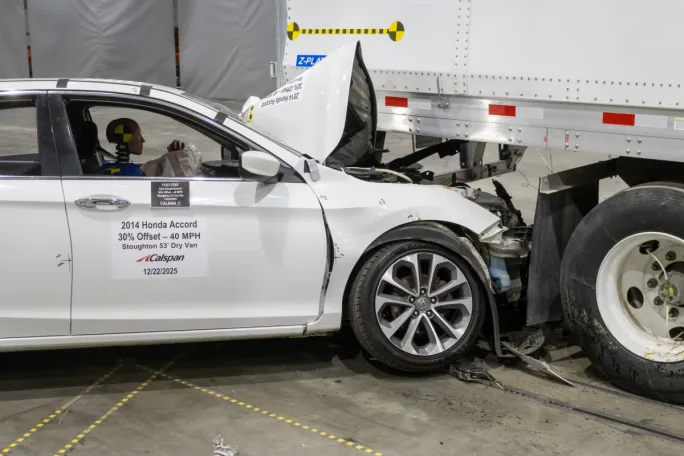
Stoughton's new rear impact guard is not optional: It comes standard on the company's dry vans, refrigerated trailers and intermodal chassis.
Stoughton
Alongside the reefer launch, Stoughton spotlighted a significant safety milestone: a rear impact guard that successfully passed a 40-mph crash test using a 30% offset standard.
The system is designed to:
- Prevent passenger compartment intrusion in rear-end collisions
- Absorb and redirect crash energy
- Improve survivability in underride scenarios
Company officials said the guard is not optional. It comes standard on Stoughton dry vans, refrigerated trailers, and 53-foot intermodal chassis.
In testing, the design prevented intrusion into the passenger compartment, a key factor in reducing fatalities in underride crashes.
Safety and Durability Remain Core Focus
Stoughton framed both the PureBlue platform and the upgraded rear impact guard as part of a broader strategy centered on longevity, safety, and total cost of ownership.
The company also highlighted its continued investment in galvanization, including in-house capabilities, to improve corrosion resistance and lifecycle durability across its trailer lineup.
More Equipment
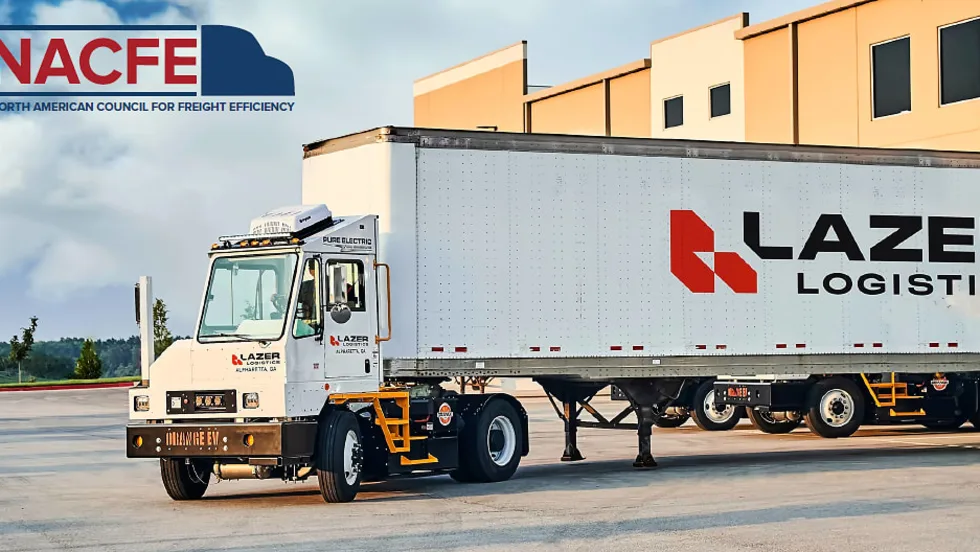
Electric Yard Tractors Move Beyond Pilots
Operating-cost savings have overtaken sustainability goals as the leading reason surveyed fleets are adopting battery-electric terminal tractors, according to new NACFE research.
Read More →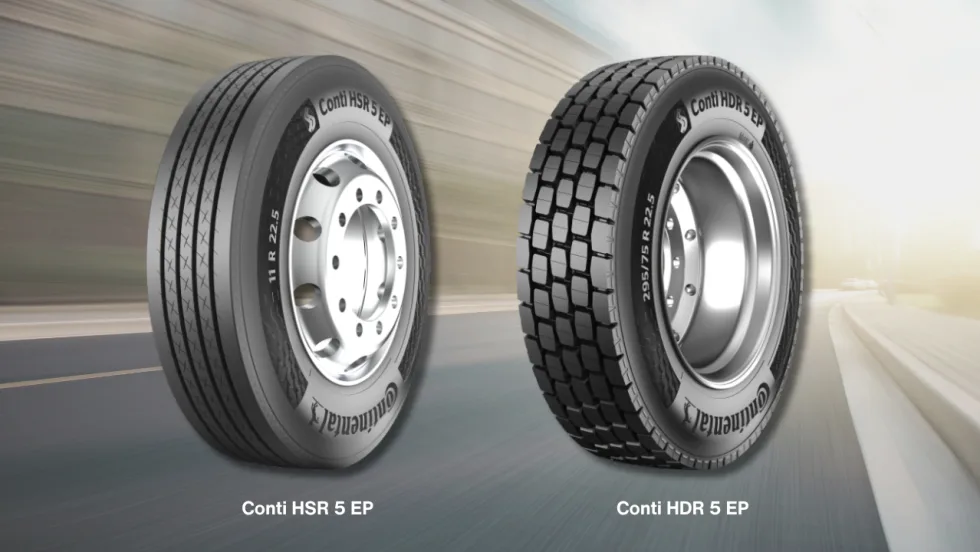
Continental Introduces New Regional Truck Tires
Continental says its new Generation 5 steer and drive tires for regional operations offer longer tread life, with estimated mileage gains of 22% and 19%, respectively.
Read More →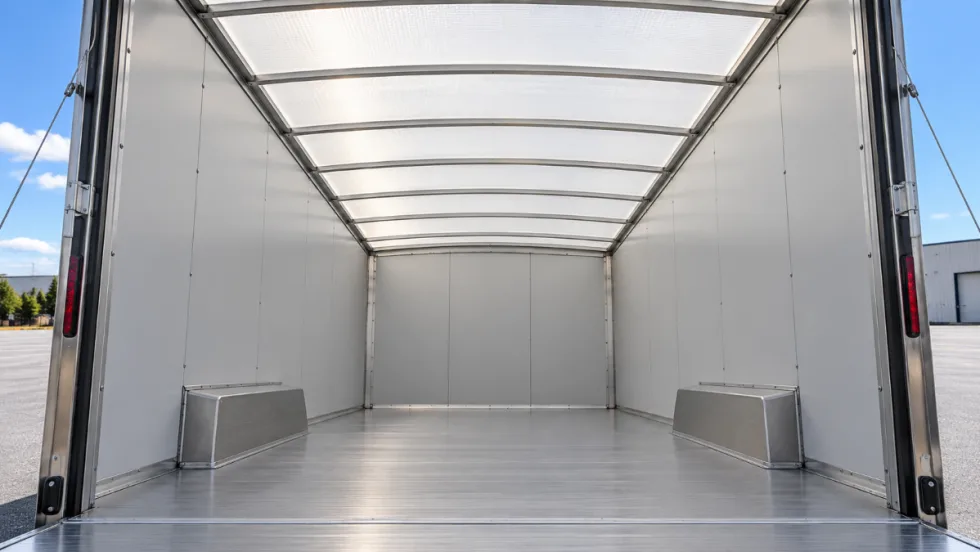
Tekmodo Introduces CargoBright Brand for Translucent Trailer Roofs
CargoBright is designed to diffuse daylight across the cargo area while performing as a working vehicle roof.
Read More →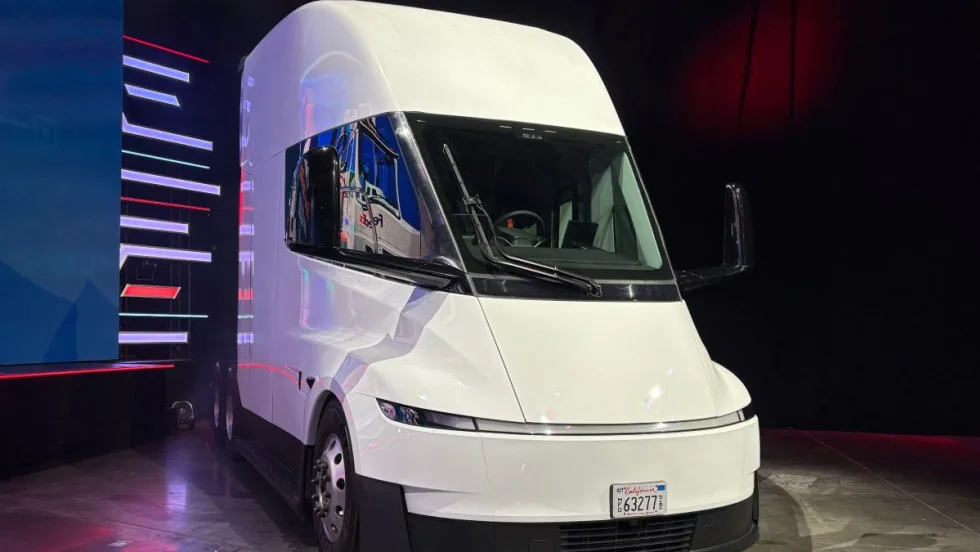
Fleet Economics Shape Electric Truck Outlook
ACT Research expects costs, charging infrastructure, and technology improvements to drive zero-emission commercial vehicle adoption as federal regulations and incentives retreat.
Read More →
Kodiak Targets Dallas–Houston for Driverless Trucks
The company says its autonomous trucks are completing the I-45 run without a safety observer taking control. It plans to remove the observer by the end of 2026.
Read More →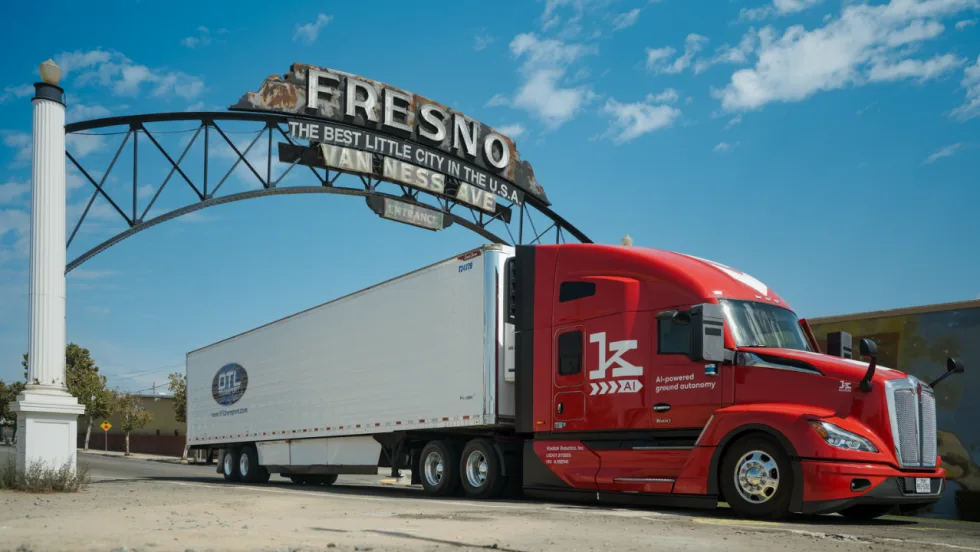
Kodiak Hauls Produce in California Autonomous Truck Pilot
Kodiak AI and DTL Transport have begun hauling produce between Fresno and Los Angeles under California’s new rules for testing heavy-duty autonomous trucks. A safety driver remains behind the wheel.
Read More →
Used-Truck Remarketing Math Is Changing
Used-truck value is no longer just a concern at trade-in. Decisions made throughout a truck’s first life can influence what it’s worth years later.
Read More →
How Volvo Updated Its D13 for EPA 2027 [Watch]
Volvo’s updated D13 promises lower emissions without sacrificing performance or fuel economy. Take a closer look at what changed inside the engine in this HDT Spotlight video.
Read More →
Michelin Tire Improves Efficiency and Durability for Regional Fleets
The Michelin X Multi Energy D2 is a regional haul drive tire engineered to help fleets improve fuel efficiency, durability and traction in demanding stop-and-go operations.
Read More →
ZF Expands Commercial Vehicle Push in North America
ZF is expanding its North American commercial-vehicle presence with new transmission applications, electrification, trailer technology and autonomous-driving systems.
Read More →