




Storms Slow Housing Starts, But Boom Continues
February housing starts fell to 1.62 million from 1.82 in January, mostly due to unseasonably bad building weather in much of the country.
February housing starts fell to 1.62 million from 1.82 in January, mostly due to unseasonably bad building weather in much of the country.
This is 9% below the average of the previous five months. But new building permits were steady at 1.79 million suggesting that while the housing boom may have stalled it has not yet reversed.
Total starts in 2003 are expected to drop 3-4% to about 1.65 million and then recover this loss in 2004, according to Newport Communications economist Jim Haughey. "However, this small negative for construction materials freight and construction vehicles should be offset by the expected 8% annual gain in spending for residential remodeling," Haughey said.
Housing remains a bargain in much of the country, so consumers keep shifting money from the shopping malls to model homes and home supply centers. Early March mortgage applications soared 22% above last fall's record level, according to a Mortgage Bankers Assn. survey. This spurt was driven by 30-year fixed rates falling below 5.5% and 15-year rates dropping below 4.75%.
Most of the added applications were for refinancings; applications rose 29% above last fall's record level. About 40-45% of refinancings yield "cash out" for the homeowner, typically $10-15,000, with about 10-15% of this destined for remodeling and additions. Homeowners took out $200 billion last year -- 40% of the increase in equity -- and the equity withdrawal pace is even higher in early 2003.
Cheap credit will keep housing starts above the underlying demographic demand for new homes of about 1.6 million at least through the end of 2004. The extra starts consist of about 0.2 million taken from the decimated manufactured housing industry with the balance of about 0.3 million split between more second homes and people moving out of multi-generation households.
Overall, housing market activity will about match GDP growth through next year. The boom is too mature to be a major economic growth driver any longer, Haughey said. Collectively, the key drivers of housing starts have slipped from boom to modest growth. The relative price of housing -- monthly house payments as a percentage of income -- is headed up within a few months as local taxes jump in the new fiscal year and mortgage rates begin to climb under pressure from the withdrawal of money from fixed income investments.
Disposable income will, at best, grow at the recent pace until employment starts to rise later this year. And expectations of equity appreciation have begun to ebb. Fannie Mae reports that the annual rate of home appreciation has been halved to 3.9% in the latest quarter.
More Fleet Management

Jamie Hagen Gets Real About Running a Small Fleet in an Uncertain Economy
Small fleet owner Jamie Hagen says new legal risks, volatile fuel prices, and a changing freight market are forcing small carriers to rethink how they operate -- and what they can afford.
Read More →
Jamie Hagen Gets Real About Freight, Fuel Prices, Safety, and Small-Fleet Survival
Running a small trucking fleet right now isn’t easy, especially right now. And Jamie Hagen doesn’t sugarcoat it.
Read More →
Jamie Hagen Gets Real About Freight, Fuel Prices, Safety, and Small-Fleet Survival
Running a small trucking fleet right now isn’t easy, especially right now. And Jamie Hagen doesn’t sugarcoat it.
Read More →
Data Lock‑In or Integration Lock‑Out?
Data fragmentation is costing dealerships, OEMs, fleets, and upfitters millions. Here’s why interoperability may be the fix the trucking industry needs.
Read More →
What Trucking Fleets and Brokers Need to Know About This Supreme Court Case
In May, the U.S. Supreme Court ruled that freight brokers can be held liable for damages if a truck they have contracted with is involved in an accident. Listen as this transportation attorney breaks down the ruling and its implications for the trucking industry.
Read More →
The Trucking Industry’s Threat Intelligence Gap
The trucking industry has no shortage of cybersecurity reports and cargo crime statistics. What it lacks is timely, operational intelligence that fleets can actually use.
Read More →
Truck Crash Rates Are Down. So Why Do Insurance Costs Keep Rising?
ATRI’s latest research points to litigation, social inflation, and soaring claims costs as key drivers behind record-high liability premiums for trucking fleets. But there are things motor carriers can do.
Read More →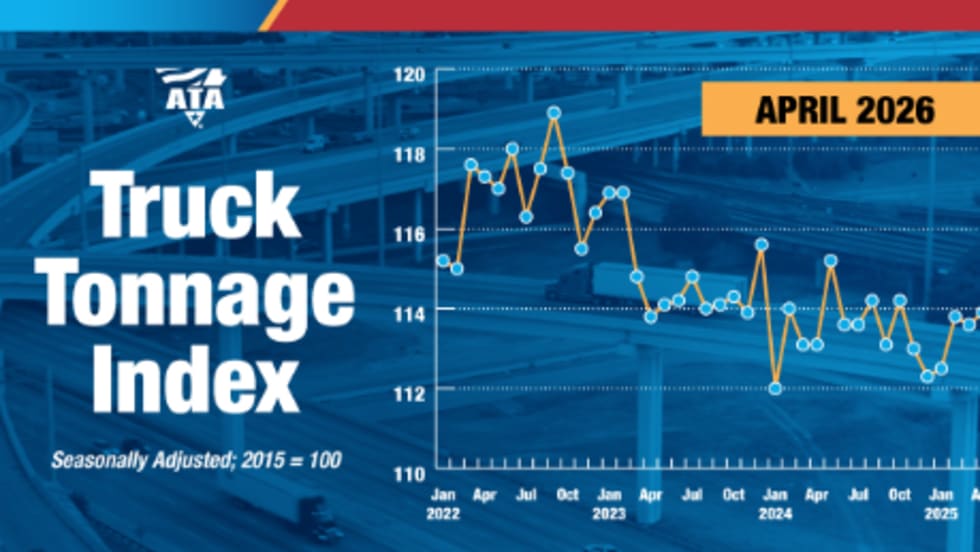
ATA Truck Tonnage Holds Steady in April at Highest Levels Since 2022
ATA’s For-Hire Truck Tonnage Index was unchanged in April after a strong March gain, with freight volumes remaining at their highest levels since late 2022.
Read More →
Fleetworthy Launches Connected Platform for Fleet Readiness Across Safety and Compliance, Toll Management, and Weigh Station Bypass
Fleetworthy has unveiled three major product launches it says mark a new era in fleet readiness.
Read More →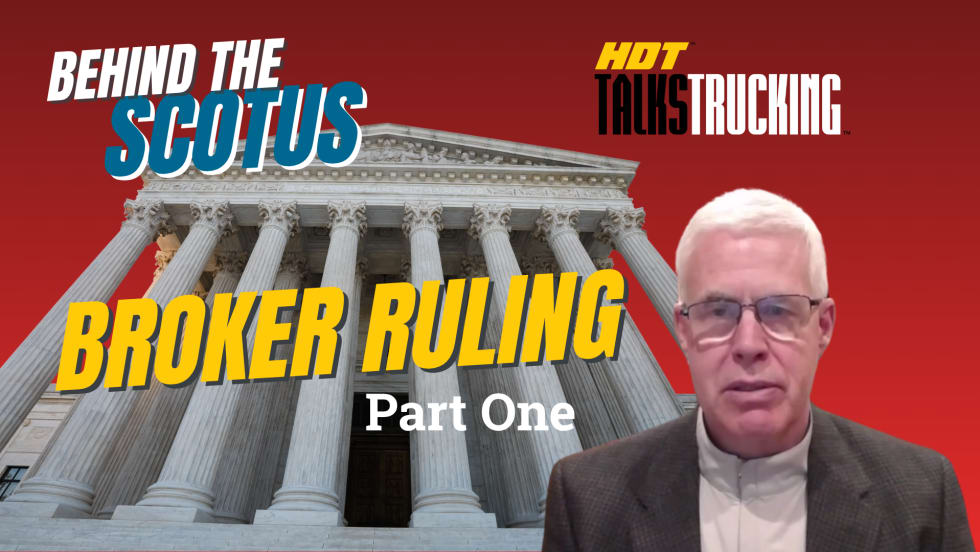
Behind the SCOTUS Broker Ruling Part 1
Transportation attorney Greg Feary breaks down the recent Supreme Court decision that brokers can be held liable for damages in truck accidents and what it means for the trucking industry going forward.
Read More →