




Shippers Divert Cargo, Increase Stocks Against More Port Shutdowns
U.S. shippers, uncertain over timely settlement of the West Coast ports dispute, are making contingency plans against additional service disruptions
U.S. shippers, uncertain over timely settlement of the West Coast ports dispute, are making contingency plans against additional service disruptions,
according to a nationwide survey by logistics specialist BDP International.
Currently favored actions, reported by 74% of supply-chain managers surveyed, include cargo diversions to East Coast ports, favored by almost 52%; increases in safety stocks, 34%; alternate sourcing, 29%; and diversions to Gulf Coast ports, 29%. Shippers also anticipate long-term changes in supply-chain management, to be prepared for similar disruptions in the future.
West Coast ports reopened Oct. 9, after the Bush administration imposed an 80-day cooling-off period under the Taft-Hartley Act. Federal mediators this week ordered a one-week break after negotiators failed to reach agreement on pension provisions.
BDP and its Centrx supply-chain-consulting unit commissioned the survey by Adler Research between Oct. 24 and Oct. 30, two days before announcement of the tentative agreement on one key issue -- technology.
Nearly 63% of managers surveyed then were not optimistic about a timely settlement. Fully 53.5% favored extending the Taft-Hartley cooling-off period beyond the current 80-day limit.
Among other findings, almost 63% of respondents said the West Coast port work stoppage came unexpectedly. Still, 44% reported preparing contingency plans prior to handle possible problems.
Reported one shipper, "We were prepared for a number of two- or three-day closures that would cause one-week or two-week backlogs. We did not expect a two-week closure that would cause a month-or-more backlog."
Another said, "I would have expected this during July, but not so far down the road. I can't believe this was allowed to happen, considering the major impact it would cause to a vast number of economies."
Other shippers reported layoffs, angry customers and financial impact from lost sales and higher transportation costs. The business impact to one international shipper was compelling: "We are very discouraged. This is the first year that we have imported from Asia and it has been a terrible experience."
Said another importer, "One product line was unable to ship for the month of October because it was sitting on a boat waiting to be unloaded. This hurt the company and its customers."
Not all shippers complained, however. Wrote one, "It was great. It helped our sales. We are a U.S. manufacturer...and with reduction in foreign dumping...our company received orders from many companies looking for a domestic alternate source."
As for long-term effects, while more than 48% of respondents reported no plans to alter supply chain strategies due to the shutdown, a 52% majority planned increased reliance on alternate port facilities. East Coast ports were the clear favorite, at 33%, followed in descending order by ports along the Gulf Coast, 21%; in Canada, 16%; and Mexico, 6%. About 21% of shippers planned to increase safety stock, while the same percentage expected to seek alternate sources for essential items.
BDP International, co-sponsor of the research, is a privately owned global logistics and transportation services company headquartered in Philadelphia. It operates freight import/export logistics facilities in more than 20 cities throughout North America and a network of wholly owned subsidiaries, joint ventures and strategic partnerships in more than 140 countries.
Centrx, the other co-sponsor, is an independent unit of BDP established to share intellectual capital with companies seeking to achieve greater supply chain value and logistics process improvement on a global level.
More Fleet Management
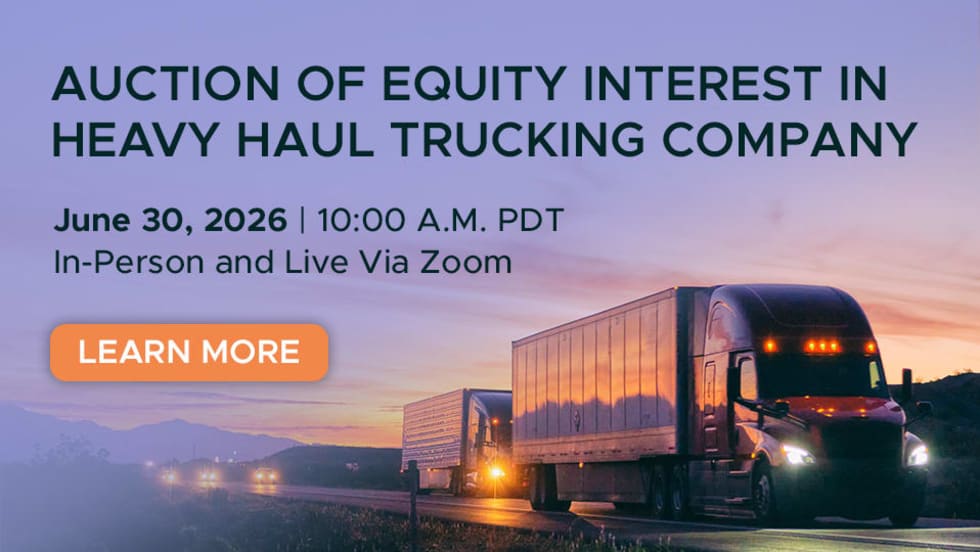
AUCTION OF EQUITY INTEREST IN HEAVY HAUL TRUCKING COMPANY!!
Mark your calendar: June 30, 2026 (10:00 a.m. PDT). MagnaTrans, LLC, a California limited liability company doing business as Magna Transportation Group is going to auction! Bid on a 37.5% ownership interest in this Rancho Cucamonga-based heavy haul and over-dimensional trucking company operating across California, Oregon, and Arizona. The equity interest will be sold to the highest bidder or bidders under Article 9 of the Uniform Commercial Code at 10:00 a.m. PDT.
Read More →
Volvo Trucks Adds Unattended Over-the-Air Software Update Capabilities
The latest evolution of Volvo’s over-the-air update technology allows software updates to run while trucks are parked, helping fleets keep vehicles current without disrupting operations.
Read More →
How Waste Connections is Using Data, Telematics, and AI
How do you manage and maintain more than 18,000 connected trucks? Data. Lots of it.
Read More →
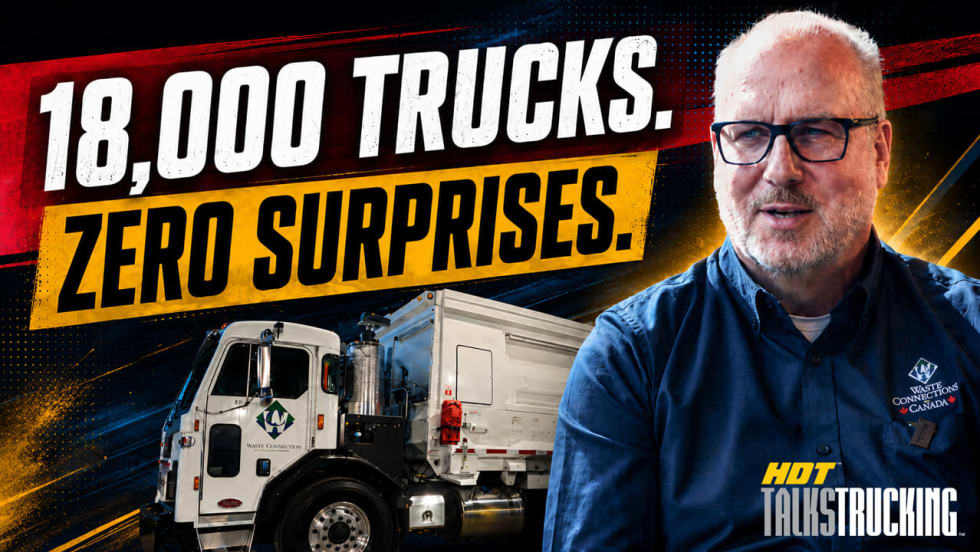
Why Fleet Data Matters More Than Ever at Waste Connections [Watch]
Waste Connections' Chuck Palmer explains how telematics, predictive maintenance, safety analytics, and AI help keep vehicles on the road and drivers safe in this episode of HDT Talks Trucking.
Read More →
NMFTA Launches Free, Anonymous Cybersecurity Threat Report Portal
Organizations are encouraged to anonymously report freight fraud, cargo crime, and cyber threats while gaining visibility into incidents reported across the transportation sector.
Read More →
AI Can Optimize a Fleet. Can It Replace Human Judgment?
Fleets fear falling behind if they don’t adopt AI quickly enough. They also fear what happens if the technology makes the wrong decision.
Read More →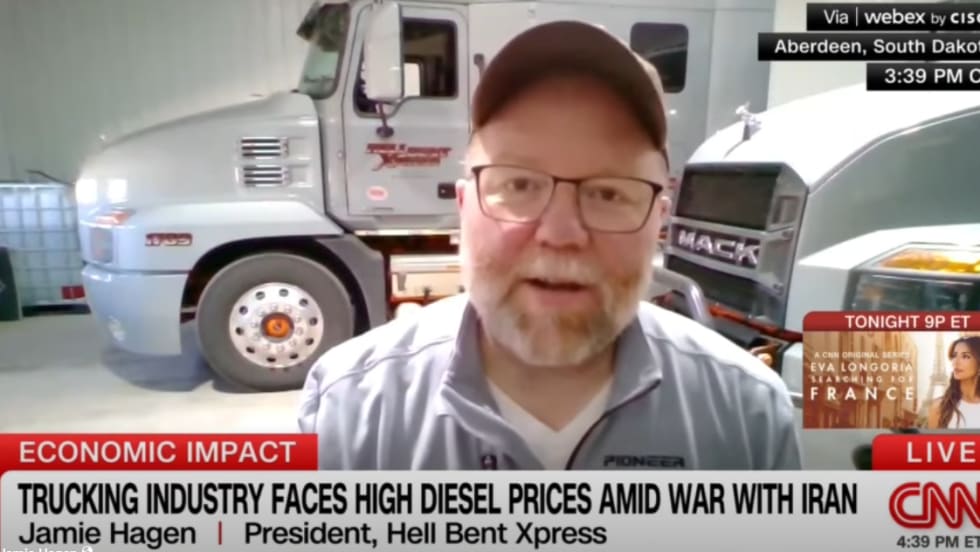
Jamie Hagen Gets Real About Running a Small Fleet in an Uncertain Economy
Small fleet owner Jamie Hagen says new legal risks, volatile fuel prices, and a changing freight market are forcing small carriers to rethink how they operate — and what they can afford.
Read More →
Jamie Hagen Gets Real About Freight, Fuel Prices, Safety, and Small-Fleet Survival
Running a small trucking fleet right now isn’t easy, especially right now. And Jamie Hagen doesn’t sugarcoat it.
Read More →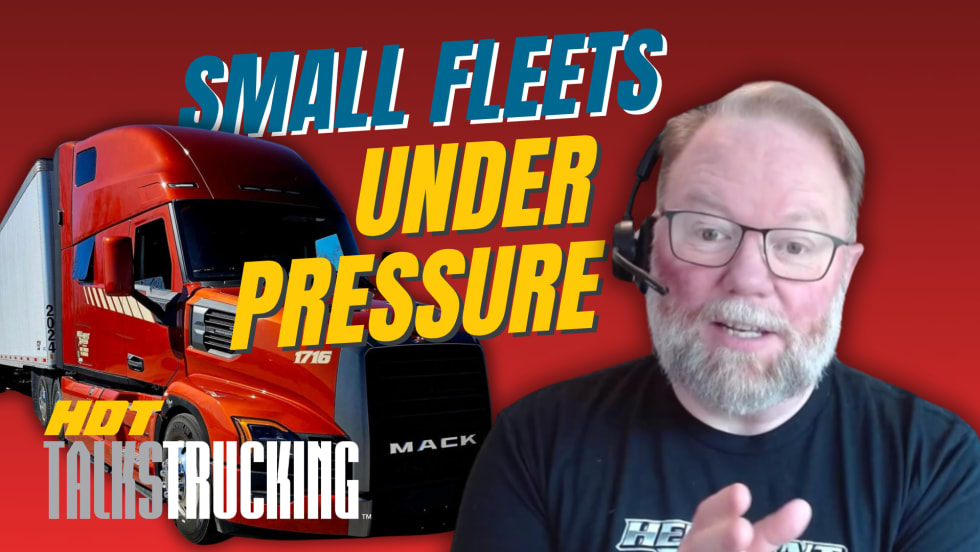
Jamie Hagen Gets Real About Freight, Fuel Prices, Safety, and Small-Fleet Survival
Running a small trucking fleet right now isn’t easy, especially right now. And Jamie Hagen doesn’t sugarcoat it.
Read More →
Data Lock‑In or Integration Lock‑Out?
Data fragmentation is costing dealerships, OEMs, fleets, and upfitters millions. Here’s why interoperability may be the fix the trucking industry needs.
Read More →